David Moyes: A Manager's Struggle with Everton's Distant Ownership
David Moyes has never met Everton owner Dan Friedkin. Not once. Not in a boardroom, not on a video call, not even a quick hello in a corridor.
Since returning to Goodison Park in January 2025, Moyes has worked under Friedkin for 20 months. The American billionaire completed his takeover in December 2024, runs the club from Houston through The Friedkin Group and has not been at a single home game.
In a week when Everton’s structure has been pulled apart in public, the manager laid out his reality in blunt terms.
Asked directly if he had ever met or spoken to Friedkin, Moyes replied: “No.”
A distant owner, a thin squad
Friedkin delegates the day-to-day running of Everton to his son-in-law Rishi Majithia, who operates alongside chief executive Angus Kinnear. For Moyes, that chain of command is clear enough.
“My real contact is Angus,” he said. “Angus is the one who I would go to see. Rishi is the next one and then the head of the Friedkin family in America.
“I don't really get any direct conversations with them, but I do through Rishi, he is the one I would speak to.”
That distance at the top has been thrust into the spotlight by a chaotic end to the summer transfer window which has left Everton exposed.
The club closed the window with only 18 senior players. Just one recognised striker. One right-back. One left-back. A Premier League season to navigate with a squad that looks alarmingly thin.
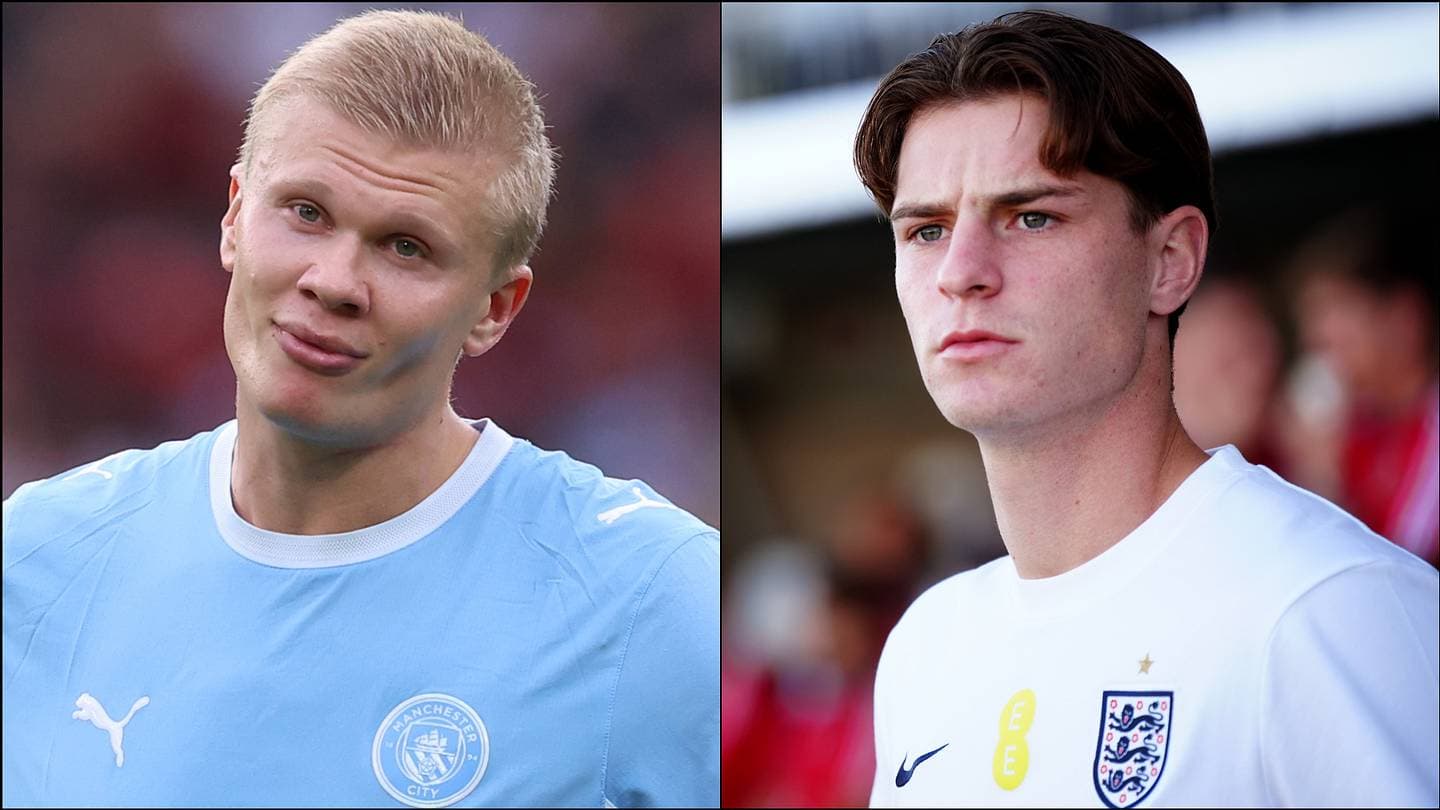
The tension boiled over at Bournemouth last weekend. News broke during the game that Everton had accepted a £40m bid from Nottingham Forest for Harrison Armstrong, the highly regarded England Under-19s midfielder and one of the club’s brightest assets. The away end erupted in fury.
The club eventually backed away from the sale. The anger did not disappear with it.
On deadline day, Beto was sold to Fiorentina before a replacement striker was secured. USA forward Folarin Balogun then walked away from a move from Monaco at the last moment on Tuesday, leaving Moyes with a glaring hole at the top of the pitch.
Supporters have directed their frustration squarely at the board and the new regime’s handling of key decisions.
Moyes sides with the stands
Moyes has not hidden behind the hierarchy. When asked last weekend about the proposed sale of Armstrong, he pointedly aligned himself with the fanbase, stressing that the club is “managed by an Evertonian” and adding that “supporters aren't always wrong”.
On Friday, speaking before Sunday’s home game against Manchester United, he accepted that Everton’s off-field set-up needs work.
“We've got new owners in who are still feeling their way in the club,” he said. “I think if we get to know each other more it will get better.”
For now, though, he is operating in a structure where his main line to ownership runs through intermediaries, his squad is short, and patience in the stands is stretched.
Yet the idea of walking away does not tempt him.
“I wouldn't have come back for anybody but Everton”
Moyes, who led Everton to a series of top-five Premier League finishes between 2002 and 2013 in his first spell, spoke with a different tone when the conversation turned to his own future.
Asked whether he had thought about quitting amid the turmoil, he shook off the notion.
“Everton's different,” he said. “I wouldn't have come back for anybody but Everton.”
He leaned on the club’s history of resilience, and on the force of the fanbase that has already made its feelings known.
“I think the club here has had enough days where the people find a way of recovering. People saw the face of Evertonians last week and it can be really powerful. I would expect them to be really powerful now.
“But powerful for the team, powerful for the players. What we're going to need from them is extra because we're short, so we need them. If they're not with us, then it's terrible. And they are with us, I believe they are with us.”
Everton go into Sunday with an absentee owner, a skeletal squad and a manager acting as the bridge between a restless fanbase and a remote boardroom. The next few weeks will show whether that belief in unity holds once the real pressure of the season bites.