Cristiano Ronaldo's Impact on Saudi Pro League's Future
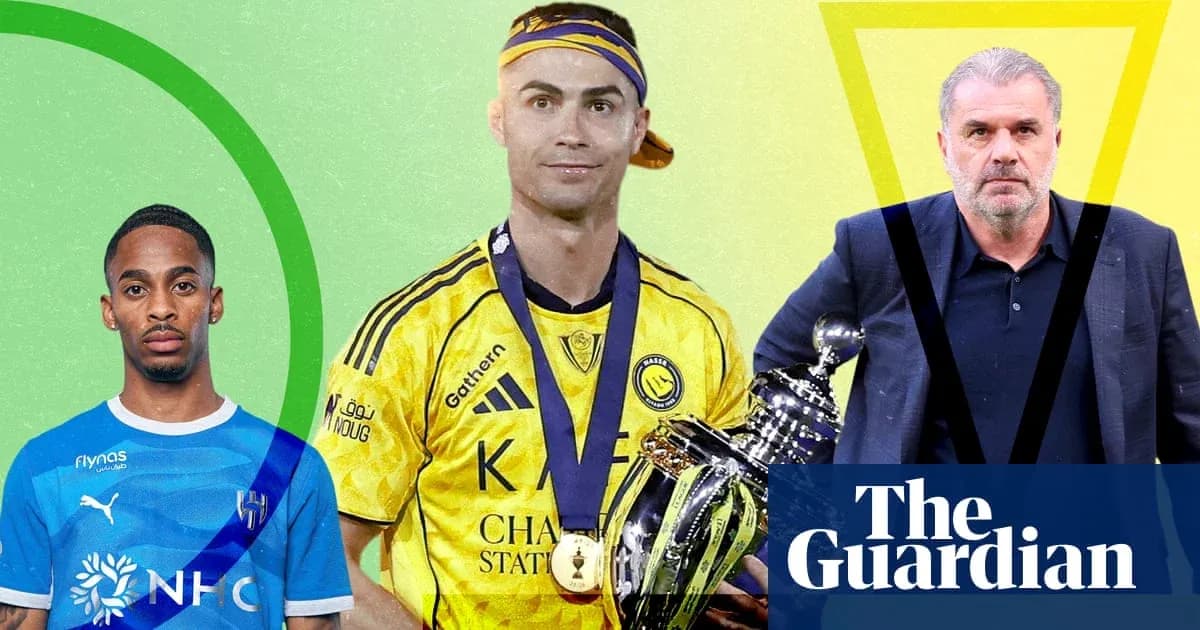
Cristiano Ronaldo will stride into another Saudi Pro League season on Thursday without Mohamed Salah for company and without much sign that his era is fading. At 41, he sits 24 goals short of the mythical 1,000 mark. Given he has already plundered 102 in 107 league games for Al-Nassr, that landmark is not some distant fantasy. It is a live storyline for this campaign.
What that means for the league’s wider project is less clear.
This is year four of the Saudi spending spree, the cycle that exploded in the summer of 2023 with a $957m (£710m) outlay. That cash bought headlines, global TV deals and a flood of yellow CR7 shirts from Riyadh to Rio. It proved Saudi Arabia could grab the world’s attention. Now comes the harder part: turning spectacle into structure, stardust into a sustainable football culture.
The World Cup provided an uncomfortable reality check. Saudi Arabia went out early, prompting questions about whether this domestic revolution had actually raised the level of Saudi players. The results were not disastrous – draws with Uruguay and an eye-catching Cape Verde, a single defeat to eventual champions Spain – but they did not scream “new era” either.
The answer, for now, is stark. The league still does not export talent. Of the 26-man World Cup squad, only right-back Saud Abdulhamid, now at Lens, plays abroad. Everyone else remains at home, often on the bench. Foreign stars crowd out locals in the most decisive roles: creators, finishers, goalkeepers. Club football has undoubtedly improved – Saudi sides have become serious forces in Asian competition – but the national team has not yet felt the benefit.
That tension partly explains why there is no Salah.
For months, many inside and outside the region assumed the Egyptian would eventually choose the Red Sea over the Black Sea and land in Saudi Arabia rather than at Trabzonspor. The appetite to make that happen has cooled. Even if Salah ever truly weighed Saudi Arabia as his first choice, the push for him has not been as aggressive in recent months.
At 34, he would have been the biggest Arab name in the league’s history, a commercial and cultural coup. Yet he no longer fits the preferred model. The strategy now leans towards younger signings with resale value, players who can come, dominate and then return to Europe for another major fee.
Enter Crysencio Summerville
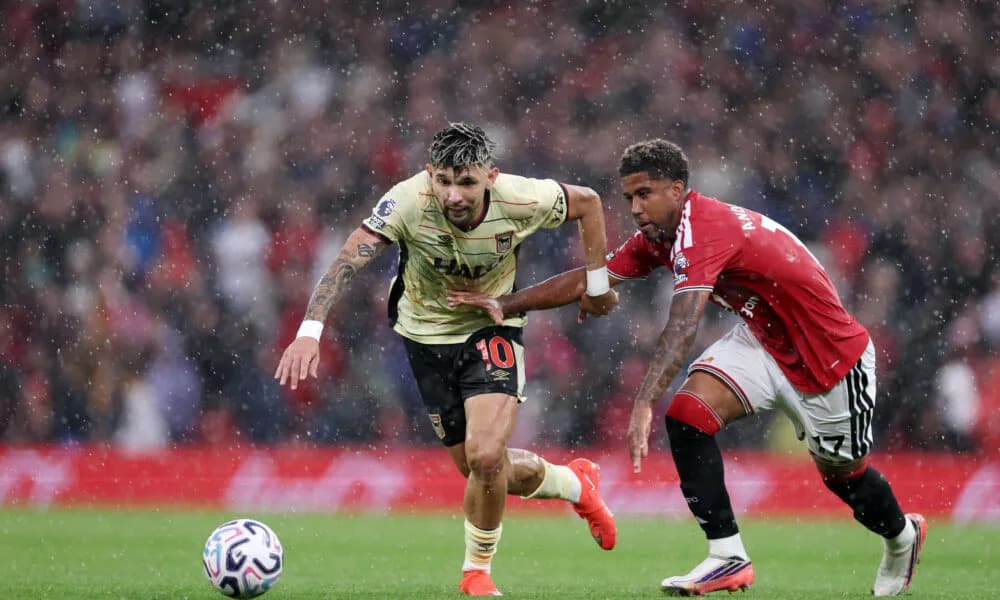
The Dutch winger is the marquee arrival of the summer, joining Al-Hilal for around €80m (£68m). At 24, he is the prototype: young, explosive, with enough runway left in his career to justify both the price and the plan. If his time in Riyadh goes as hoped, he can leave for another European giant and another significant sum.
He has not escaped the usual accusations of choosing money over ambition. That jars with the reality of his new club. Ambition is baked into Al-Hilal’s identity. Nineteen league titles. Four Asian crowns. Undefeated last season and still finishing second. That is the standard. The Blues, sold by the Public Investment Fund in April, still boast Karim Benzema, Rúben Neves, Theo Hernández, Yassine Bounou, Kalidou Koulibaly and a cast that would not look out of place in a Champions League knockout tie.
The pressure on Simone Inzaghi is immediate and heavy. Retake the title from the yellow half of Riyadh or the season is a failure.
On the other side of the capital, Ronaldo has already delivered. He lifted the trophy with Al-Nassr in May, a triumph that triggered a coaching domino effect. Jorge Jesus left soon after to take over Portugal. In his place comes Ange Postecoglou, the former Tottenham Hotspur manager, now handed the keys to a squad built to attack.
Postecoglou can call on Sadio Mané, Kingsley Coman and João Félix. It is a front line with Champions League pedigree and YouTube highlight reels to match. Yet Al-Nassr are wrestling with financial constraints that have slowed new arrivals. The domestic title is one target; a first Asian Champions League crown would be a powerful statement that the Ronaldo era in Saudi is about more than one man’s numbers.
The continental crown currently belongs to Al-Ahli. Back-to-back Asian titles have given them the right to look inward this season. The aim is simple and overdue: a second Saudi Pro League title, and a first since 1984.
Everything looked aligned. Then, days before kick-off, the ground shifted. Head coach Matthias Jaissle walked away to join Newcastle. Both clubs sit under the Public Investment Fund umbrella, but the move landed badly in Jeddah. Al-Ahli lost the architect of their rise just as the domestic push was about to begin.
His replacement, Marino Pusic, arrives with a solid reputation as Arne Slot’s former assistant but without much fanfare. It is a functional appointment, not a blockbuster. Across the city, Al-Ittihad watched the Jaissle saga unfold with a mix of surprise and unease. They had just made a similar bet.
The Tigers, who laboured through last season, turned to another 38-year-old German with a curtailed playing career and RB Salzburg on his CV. Jens Wissing steps into a demanding job at a club that expects immediate resurgence, not gradual rebuilds.
Then there is Al-Qadsiah, the fifth force in a league that now has a genuine “big five”.
Brendan Rodgers took them to fourth last season. That alone was a statement. This year, the brief is bolder: improve on that and bring home a first trophy since 1984. Backed by Aramco, Al-Qadsiah have the resources to disrupt the traditional hierarchy and the coach to squeeze more from a squad that no longer sees itself as outsiders.
This is the new landscape. Five heavyweights, competing for titles, players and narrative space. The race at the top looks more crowded than ever.
The bigger question lurks beneath the star names and transfer fees. Can this era finally produce Saudi players who play, grow and then leave for Europe? Can coaches under pressure to win now afford to give minutes to local youngsters rather than lean on one more imported starter?
That choice will shape what this league becomes. A high-end retirement home for legends and near-legends? Or a genuine engine for Saudi football, where the next big export is a local kid rather than another foreign marquee?
Ronaldo’s chase for 1,000 goals will dominate the global conversation. Inside the country, the real test starts when the cameras pan away from him and onto the Saudi players trying to earn their place on the pitch.