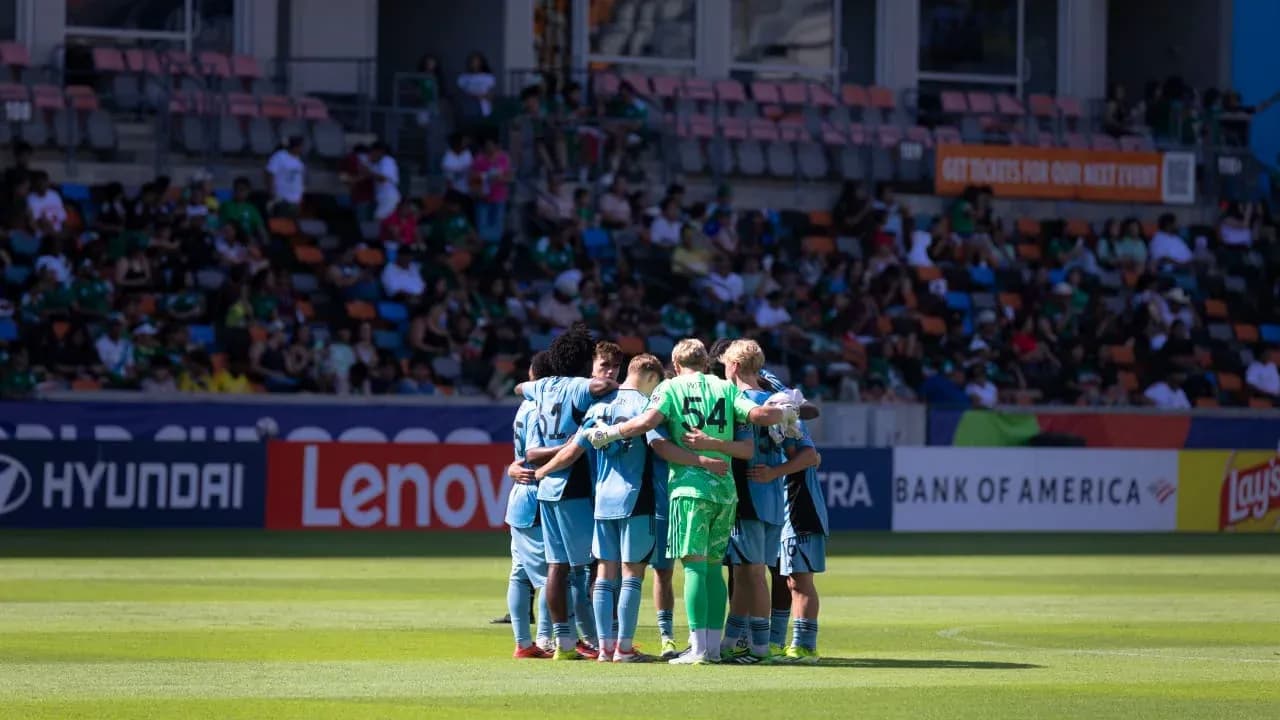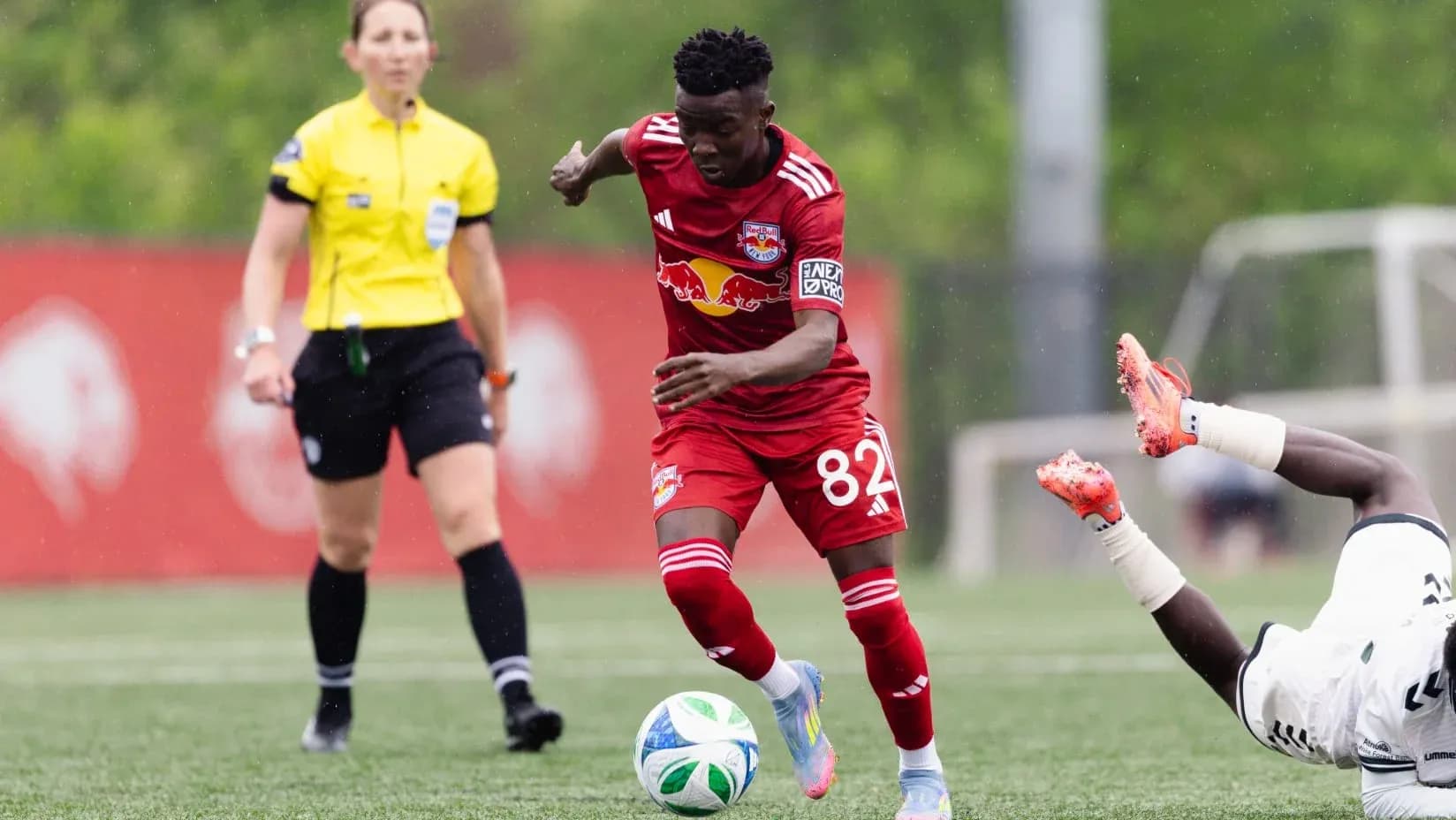
Connecticut FC Upsets New York RB II 3–1 in MLS Next Pro Clash
Under the lights at MSU Soccer Park, this Group Stage clash in MLS Next Pro unfolded as a study in contrast between a table-topping machine and a dangerous, inconsistent chaser. New York RB II came into the night as the standard-setter in the Northeast Division and Eastern Conference, ranked 1st in their division and 2nd in the conference with 23 points and a goal difference of 10 overall. Connecticut FC arrived as the disruptor, 7th in the Northeast Division and 13th in the Eastern Conference, a side whose volatility has made them both vulnerable and threatening.
Following this result, the 3–1 away win for Connecticut FC did more than tilt the scoreboard; it challenged the seasonal DNA of both teams. New York RB II had built their campaign on relentless attacking volume: overall they had scored 25 goals in total from 11 matches, with 18 of those at home. That translated into an average of 2.6 goals at home and 2.3 overall, numbers that usually overpower visiting sides in this league. Yet conceding three at home in regulation cut against the grain of a team that, across the season, had allowed 12 goals at home and 17 overall, an average of 1.7 conceded at home and 1.5 in total.
Connecticut FC, by contrast, have lived on the edge. Heading into this game, they had scored 14 goals in total, with 11 of those on their travels, averaging 1.8 away goals and 1.4 overall. But they had also conceded 18 in total, 11 away, with a matching 1.8 goals against on their travels and overall. This is a side built for chaos: they either break you or break themselves. On this night, they broke the league leaders.
Tactically, both lineups hinted at intent more than structure. With no formations recorded, we read the teams through personnel. New York RB II’s starting group—A. Stokes, D. Gjengaar, A. Sanchez, J. Masanka Bungi, C. Faello, N. Worth, D. Cadigan, P. Sokoloff, B. Rodriguez, M. Jimenez, and D. Nelich—suggested a youthful, high-energy core consistent with their season-long ability to score in every match. Across 11 league fixtures, they had failed to score a grand total of 0 times, a testament to their pressing and vertical instincts.
Connecticut FC’s XI—G. Rankenburg, R. Van Hees, J. Stephenson, L. Kamrath, A. Applewhaite, D. Lacy, S. Sserwadda, R. Mora-Arias, I. Kasule, B. Tanyi, and Caua Paixao—was built around mobility and transition. With 3 wins and 3 losses on their travels, and 11 away goals from 6 away matches, they are a side that accepts risk in order to create space for their front line. The bench options—A. Monis, E. Gomez, H. Kouonang, L. Goddard, D. D’Ippolito, J. Medranda, and N. Koloniaris—offered further pace and directness if the game opened up.
The tactical voids in this fixture were less about absentees—no missing or questionable players were recorded—and more about discipline and game management. New York RB II’s season-long card profile reveals a team that lives dangerously late. A striking 37.50% of their yellow cards arrive between 76–90 minutes, with another 20.83% between 61–75 minutes. They have also seen their only red card in the 61–75 window. Connecticut FC mirror that volatility: 26.67% of their yellows come between 76–90 minutes, with 20.00% in both the 31–45 and 46–60 ranges, and their sole red card appears in the 76–90 band.
Overlay those numbers on a match where New York RB II were chasing from a 0–2 half-time deficit and the picture becomes clear: the final quarter-hour was always going to be a storm of fouls, transitions, and emotional decisions. This is where Connecticut’s away identity—3 wins and 3 losses on their travels, 11 goals for and 11 against—thrives. They are comfortable in matches that become stretched and frantic, and this contest followed that script.
The key matchups played out along two axes: “Hunter vs Shield” and “Engine Room.” For New York RB II, the “Hunter” was not a single name but a system that produces 2.6 home goals on average. Their pressing unit, with players like M. Jimenez and B. Rodriguez, is designed to pin opponents in and generate high turnovers. The “Shield” on the Connecticut side was a back line anchored by R. Van Hees and J. Stephenson in front of G. Rankenburg, a group that has been repeatedly tested on the road, conceding 11 away goals but also surviving long spells under pressure in their 3 away wins.
In the “Engine Room,” Connecticut’s S. Sserwadda and D. Lacy had to cope with the vertical surges of New York’s midfield trio, including N. Worth and P. Sokoloff. The visitors’ season-long pattern—1.8 away goals scored and 1.8 conceded—suggests a midfield that is less about control and more about quickly connecting defense to attack. That identity showed here: they absorbed waves, then sprang forward, punishing spaces left by a New York side forced to chase.
From a statistical prognosis standpoint, New York RB II’s underlying profile still speaks of a contender. Overall they average 2.3 goals for and 1.5 against, with a positive goal difference of 8 when using the statistics block (25 scored, 17 conceded), and they have strung together a biggest winning streak of 5. They have also been perfect from the penalty spot this season, converting 1 of 1 with 0 penalties missed. Connecticut FC, meanwhile, carry a more fragile overall goal difference of -4 from the stats (14 scored, 18 conceded) but a dangerous away scoring rate that matches New York’s away average at 1.8.
If we project forward, the xG narrative—while not explicitly given—leans on volume and trends. New York RB II’s ability to score in every league match and their high home average suggests their expected goals at MSU Soccer Park will consistently be strong. Connecticut FC’s 11 away goals from 6 matches point to an away xG profile that is higher than their total average, particularly in transition-heavy games.
Following this result, the tactical lesson is twofold. New York RB II must reconcile their high-octane attacking identity with better late-game discipline, especially in that volatile 61–90-minute window where their card count spikes. Connecticut FC, on the other hand, have reaffirmed that on their travels they can outpunch anyone in a chaotic contest. In a playoff-style scenario—befitting a side described in the standings as targeting “Play Offs: 1/8-finals”—this kind of away performance is exactly the blueprint for an upset.
The story of the night, then, is not simply a 3–1 away win. It is the collision of a structured, high-scoring leader with a flawed but fearless traveler, and the reminder that in MLS Next Pro, the team most comfortable in the chaos of the final quarter-hour often walks away with the points.