Chicago Fire II Upsets Crown Legacy in Thrilling 3-2 Match
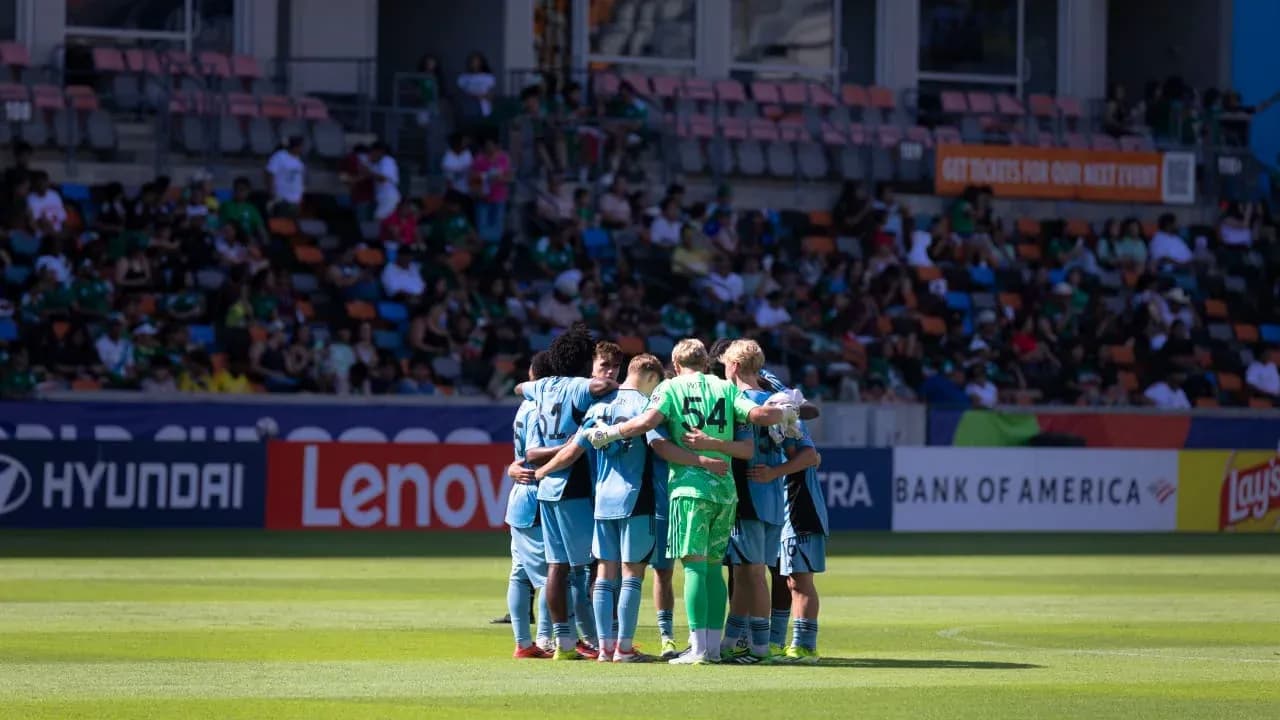
SeatGeek Stadium under the May lights felt like a proving ground. Crown Legacy arrived as the Eastern Conference juggernaut, top of the Central Division and second in the conference with 23 points from 10 matches, their attacking record a statement: 31 goals in total at an average of 3.1 per game. Chicago Fire II, by contrast, came in as a streaky outsider — sixth in the Central Division and 10th in the Eastern Conference with 13 points from 9 matches, their overall goal difference a fragile -1 in the statistics snapshot, and a season defined by sharp swings between winning streaks and heavy defeats.
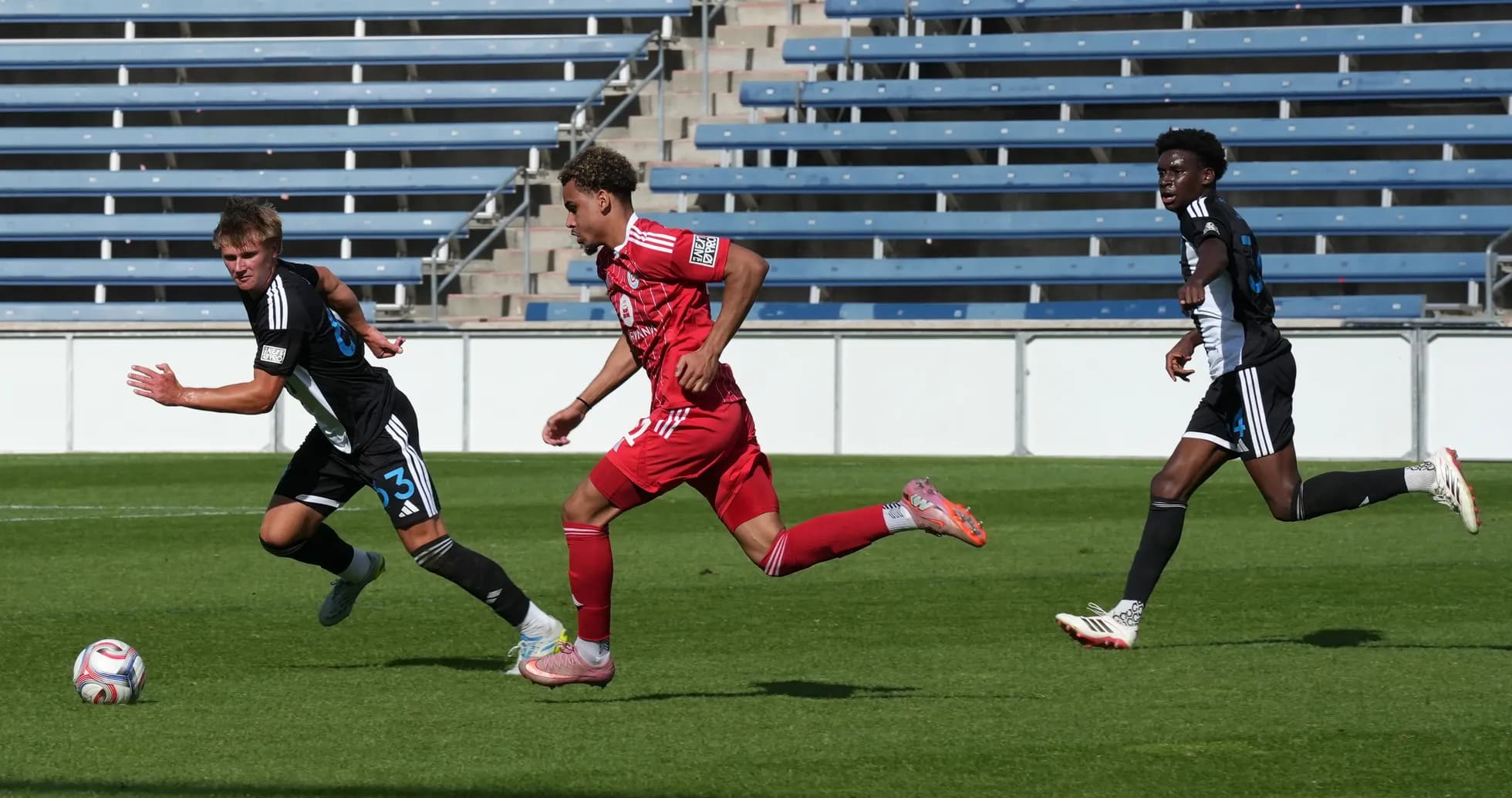
Over 90 minutes, that context was turned on its head. The final scoreline — Chicago Fire II 3, Crown Legacy 2 — framed a match where the underdog bent but did not break against the division’s most explosive attack.
I. The Big Picture: contrasting identities
Heading into this game, the teams’ seasonal DNA could not have been more different.
Chicago Fire II had built their campaign on narrow margins. In total this season they had scored 13 and conceded 14, averaging 1.4 goals for and 1.6 against per match. At home, they were slightly more expansive, with 8 goals scored and 9 conceded across 5 fixtures, averaging 1.6 for and 1.8 against. Their biggest home win was a 3-2, the exact script they ended up repeating here.
Crown Legacy, meanwhile, had been a force of nature. In total they had 31 goals for and 14 against from 10 matches, a total goal difference of +17 and a relentless attacking average of 3.2 at home and 3.0 on their travels. On their travels, they had 13 goals scored and 12 conceded in 5 games, leaning into chaos but usually outscoring opponents. Their biggest away win, 4-1, and their only away loss, 3-2, hinted at the volatility that would again surface in Bridgeview.
This match finished in regular time, with Chicago leading 2-1 at half-time and surviving a second-half surge to edge it 3-2.
II. Tactical voids and disciplinary undercurrents
The lineups revealed two youthful, development-focused squads, but also the tactical puzzles each coach had to solve.
Chicago Fire II’s starting XI was anchored by J. Nemo, with a spine built around D. Nigg, C. Cupps and J. Sandmeyer. In midfield and advanced roles, players like H. Berg, D. Hyte and O. Pineda formed the connective tissue, while C. Nagle, V. Glyut, D. Boltz and R. Turdean provided the vertical threat. The bench — including O. Pratt, M. Clark, O. Gonzalez, T. Diawara, D. Villanueva, E. Herrera, M. Napoe and E. Chavez — gave Chicago options to adjust tempo and energy rather than star power.
Crown Legacy’s XI felt more like a defined unit built to dominate territory. L. Kalicanin stood as the last line, with E. Curtis, W. Holt, A. Johnson and A. Kamdem likely forming the defensive structure. Ahead of them, D. Longo and E. Pena, flanked or supported by S. Tonidandel, N. Richmond, H. Mbongue and N. Berchimas, embodied the high-octane, front-foot identity that had delivered 8 wins in 10.
On the disciplinary front, the season data painted a subtle subplot. Chicago’s yellow cards clustered between 46-60 minutes and 61-75 minutes (26.67% in each window), a sign of a team that often had to foul to reset the rhythm after half-time. Crown Legacy’s yellows peaked in the 46-60 window as well (26.09%), with another late-game spike between 76-90 minutes (21.74%), suggesting a side that pushes the edge both early in the second half and in closing stages.
Red cards told a different story: Chicago had none across any period, while Crown Legacy carried a single red in the 91-105 window, proof that their aggression can occasionally spill over in high-stress finales. That edge, managed well all season, flirted with risk again in a tight contest like this 3-2.
III. Key matchups: hunter vs shield, engine room vs press
The narrative coming in was “Crown Legacy’s attack vs Chicago’s resilience.”
On their travels, Crown Legacy’s 13 goals from 5 matches at an average of 3.0 per game met a Chicago home defence that had conceded 9 in 5, at 1.8 per game. The “hunter” clearly was the visiting front line built around the movement of H. Mbongue and the creativity and finishing threat of N. Berchimas, supported by the runs of N. Richmond and the timing of S. Tonidandel.
Chicago’s “shield” was less about a single defender and more about collective structure. With no standout individual statistics provided, the responsibility fell on the likes of D. Nigg, C. Cupps and J. Sandmeyer to compress space, while O. Pineda and D. Hyte had to protect the central channels against Crown Legacy’s vertical surges.
In the engine room, the battle between E. Pena and S. Tonidandel on one side and Chicago’s central cluster — Pineda, Hyte, Berg — decided whether the game would be played at Crown Legacy’s preferred high tempo or Chicago’s more controlled, opportunistic rhythm. The final 3-2 scoreline suggests that while Crown Legacy did manage to drag the match into their kind of open exchange, Chicago’s efficiency in key moments, especially in the first half, tilted the balance.
IV. Statistical prognosis and what the result tells us
Following this result, the statistical story bends in interesting ways.
Chicago Fire II confirmed that their biggest home win profile — 3-2 — is no accident. At home they continue to live on the edge: 8 goals for and 9 against before this match already hinted at games decided by fine margins. Their two clean sheets in total this season underline that they rarely shut opponents out; instead, they embrace the trade-off of attacking ambition for defensive vulnerability. Their penalty record — 1 taken, 1 scored, 100.00% — shows composure from the spot when the moment arises.
Crown Legacy, despite the defeat, remain an offensive juggernaut. In total they had failed to score in none of their 10 matches, and this 2-goal outing fits that pattern. But their away defensive average of 2.4 goals conceded per game and 12 goals against on their travels before this fixture were a warning sign: they invite danger. Their clean sheet count — 4 in total, all at home — underlines how much more exposed they are on the road.
If we project this forward in xG terms, Chicago’s profile suggests a team that often overperforms in decisive moments at home, turning modest attacking volume into high-value chances. Crown Legacy’s volume-based approach, generating chances in waves, will continue to produce strong xG, but their away defensive frailty drags down their overall solidity.
The tactical lesson from SeatGeek Stadium is clear: when a disciplined but brave side like Chicago Fire II can weather the early and mid-second-half pressure — those windows where both teams’ yellow cards spike — they can exploit the gaps left by Crown Legacy’s aggressive shape. In a playoff-style, 1/8-final scenario, this 3-2 would read as a classic upset: the structured outsider absorbing the storm, then landing cleaner punches when it mattered most.