Charleston Battery Dominates FC Tulsa 5-1 at Home
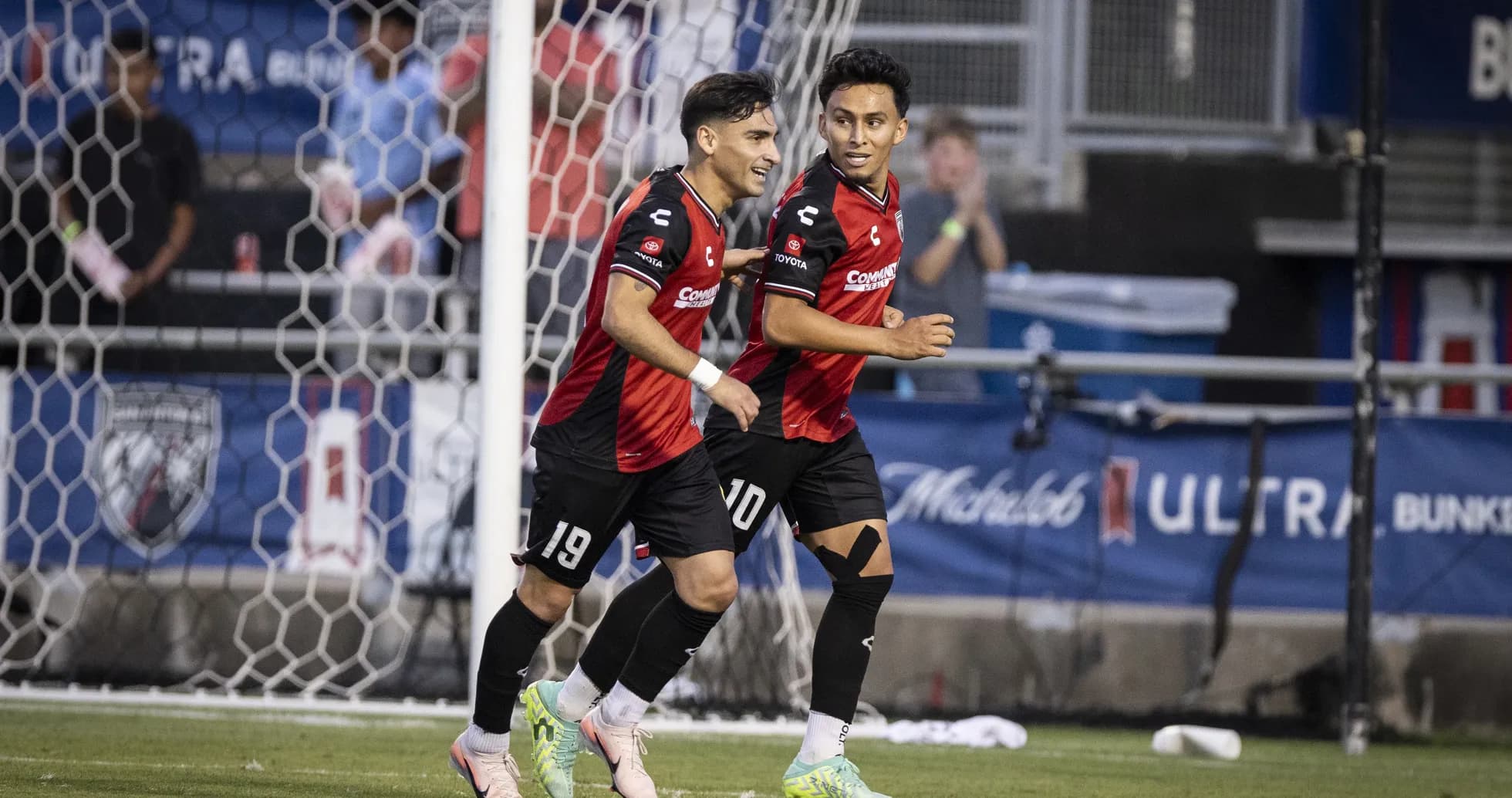
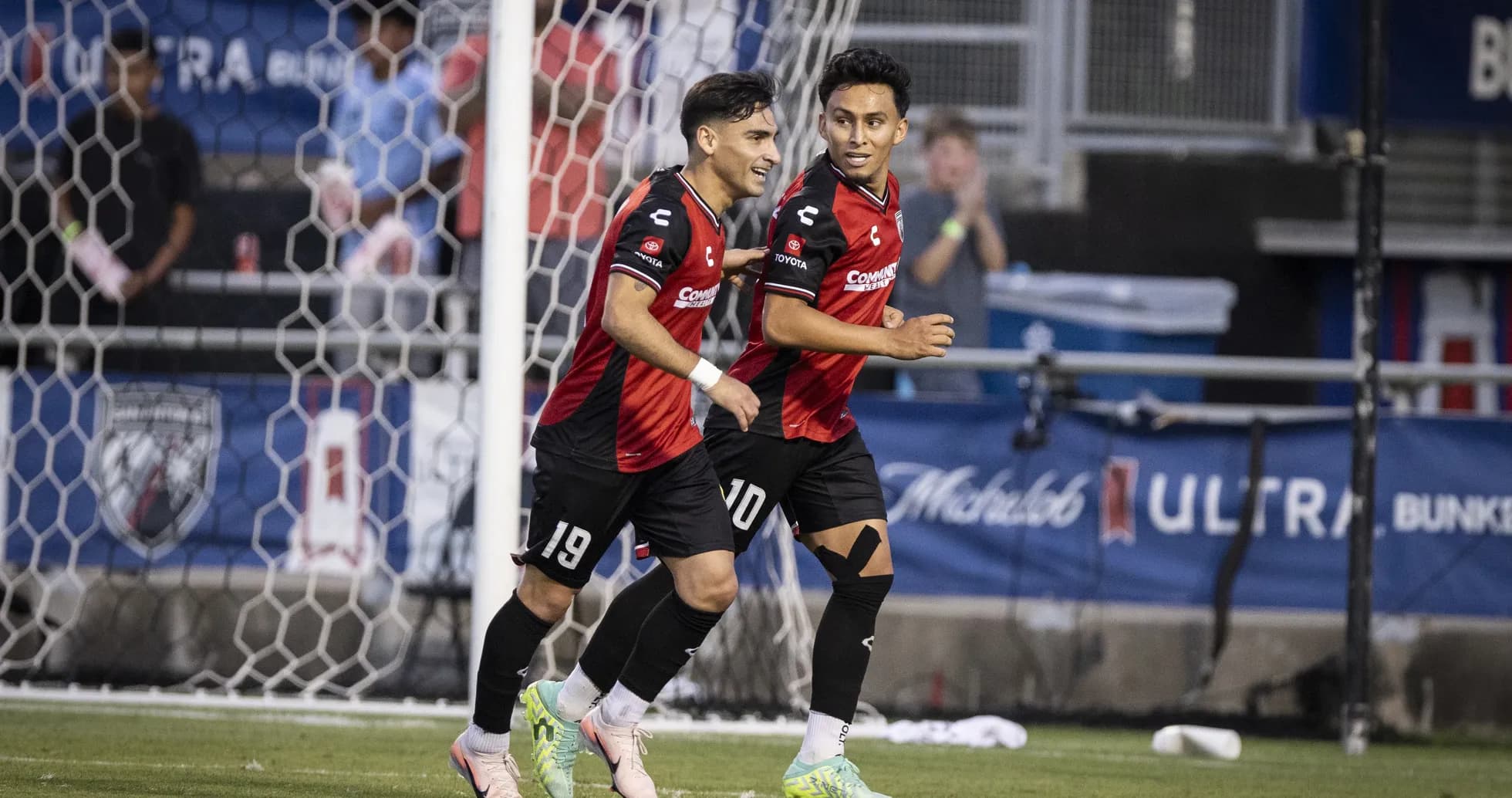
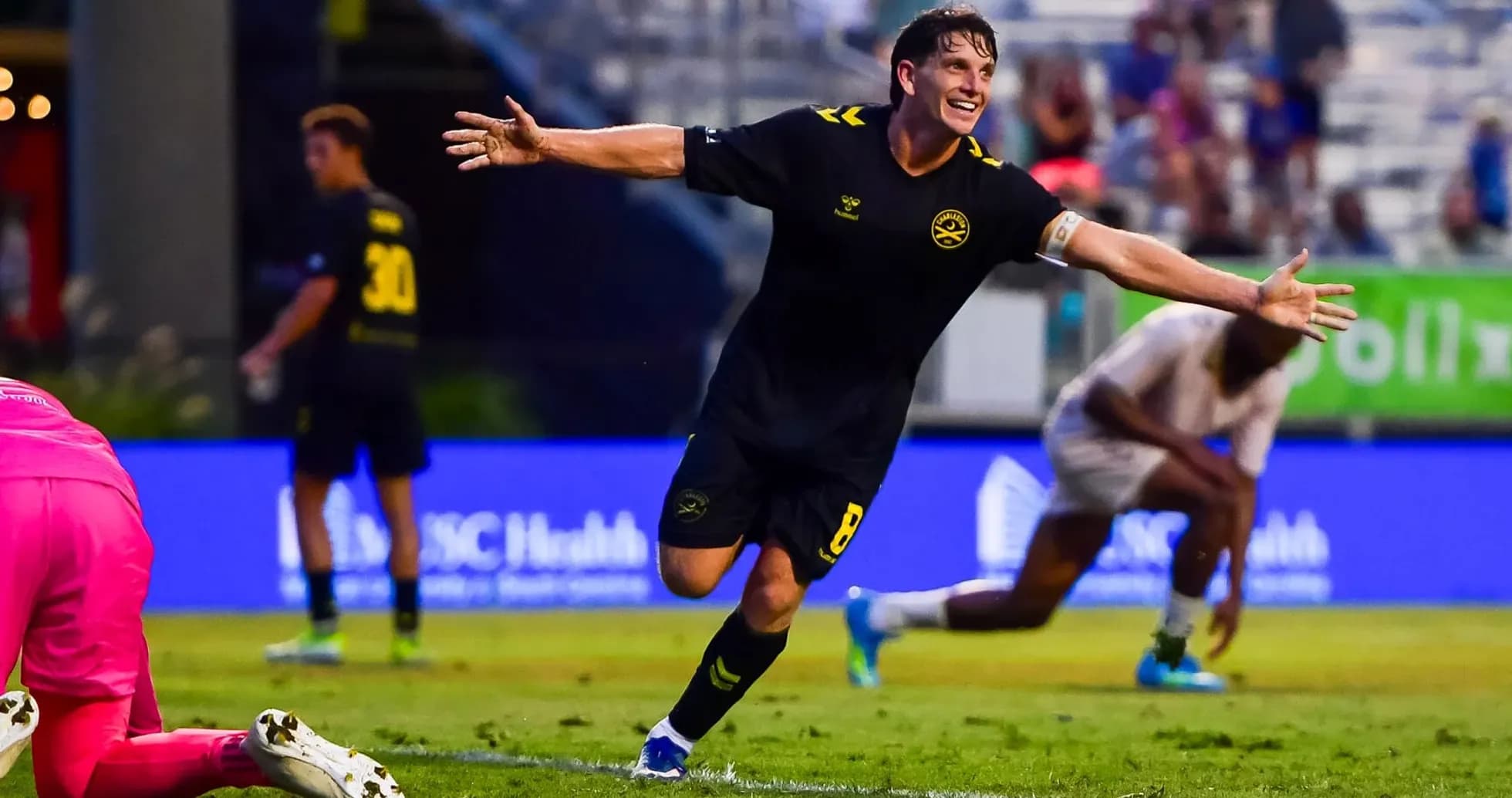
On a humid night at Patriots Point Soccer Complex, Charleston Battery did more than collect three points; they issued a statement. In a USL Championship Group Stage clash refereed by A. Pennington, Ben Pirmann’s side dismantled FC Tulsa 5–1, a scoreline that crystallized the broader seasonal patterns already etched into the table.
Heading into this game, Charleston were already one of the league’s most imposing home sides. They had played 6 matches at home, winning 5 and drawing 1, scoring 17 and conceding just 5. That home goal difference of 12 was the bedrock of their 4th-place standing with 20 points and an overall goal difference of 5 (21 scored, 16 conceded). Tulsa, by contrast, arrived as a more balanced but less dominant outfit: 7th in the table with 16 points, a perfectly even overall goal difference of 0 (14 for, 14 against), and a road profile that read 2 wins, 2 draws, 2 defeats, with 8 goals scored and 10 conceded on their travels.
First Half
The first half followed Charleston’s seasonal DNA with ruthless precision. This is a team built to attack at home, averaging 2.8 goals per game at Patriots Point, and they hit that benchmark by the interval alone, racing into a 3–1 lead. Even without formal formation data, the starting XI told a story of controlled aggression. L. Zamudio anchored the side from the back, with a defensive line built around the likes of D. Martinez, G. Smith, J. Akpunonu and N. Messer. In front of them, the midfield core of E. Ycaza and K. Pakhomov provided the hinge between solidity and incision, while a forward cluster of M. Foster, M. Berry, J. Kelly and C. Swan ensured Charleston always had multiple runners threatening the final third.
Tulsa’s setup under Luke Spencer looked, on paper, balanced: A. Tambakis in goal, a defensive unit featuring Ian, A. Clarke, L. Batista and L. Stauffer, and a midfield-attack spine built around G. Colli, J. Kocevski, G. Robinson, B. Sparks, R. Cabral and J. Webber. Their season numbers suggested a side comfortable in tight games, averaging 1.3 goals both for and against overall, and conceding 1.7 goals on their travels. Yet that away average hinted at vulnerability when stretched, and Charleston were perfectly positioned to exploit it.
The tactical voids in this fixture were less about absences—no official missing-player data was listed—and more about structural mismatches. Charleston’s home defensive record heading into this game was defined by control: only 0.8 goals conceded per home match, with 2 home clean sheets and not a single failure to score at Patriots Point. That combination of reliability at one end and relentlessness at the other created a psychological trap for visiting sides. Tulsa, for all their recent form of LDWWW in the standings snapshot, walked into a venue where the margin for error was almost non-existent.
Discipline also played its part in the broader narrative. Across the season, Charleston’s yellow cards are spread but spike in the 31–45 and 76–90 minute windows, each accounting for 23.08% of their cautions. It paints a picture of a team that pushes the edge just before the break and again as matches close, using tactical fouls to manage transitions and protect leads. Tulsa, meanwhile, show a pronounced disciplinary surge between 61–75 minutes, where 25.81% of their yellows arrive, and another 19.35% in the 76–90 range. In a match where Charleston surged early and then managed the tempo, Tulsa’s tendency to pick up late bookings under pressure would only exacerbate their problems chasing the game.
Match Dynamics
Within that framework, the individual matchups took on a clear “Hunter vs Shield” dynamic. Charleston’s attack as a collective is the hunter: 17 home goals heading into this fixture, with a home best win of 5–1 already on the books—eerily mirrored by this very result. Tulsa’s away defence, conceding 10 in 6 on the road and already having suffered a 5–1 away defeat in their season’s “biggest loss” category, was the shield that simply could not hold. The pattern repeated itself almost to the digit.
In the “Engine Room,” the contest between Charleston’s midfield carriers and creators—players like E. Ycaza and K. Pakhomov—and Tulsa’s central trio of G. Colli, J. Kocevski and J. Webber was decisive. Charleston’s season profile, with only 3 total clean sheets but a high attacking output, suggests they are comfortable in open, transitional games where their midfield can break lines quickly. Tulsa’s more conservative goal spread, and their reliance on keeping matches within a narrow margin, left them ill-equipped once Charleston’s early flurry turned the evening into a track meet.
From a statistical prognosis standpoint, the outcome felt like the logical extreme of both teams’ trends. Charleston’s overall scoring rate of 1.8 goals per match was supercharged by their home environment, while Tulsa’s away concession average of 1.7 was always vulnerable to a side that thrives on front-foot football. Even allowing for xG variance, a multi-goal Charleston win was the most probable arc; a 5–1 margin simply underlined the gulf when one team hit its attacking ceiling and the other suffered a defensive collapse reminiscent of its heaviest away defeat.
Following this result, Charleston’s promotion credentials in the USL Championship playoff race look more robust than ever. The unbeaten home fortress remains their defining feature, and the squad depth—evident in a bench that included options like L. Kissiedou, C. Allan and A. Cabrera—gives Pirmann multiple vectors to adjust games from the touchline. For Tulsa, the lesson is stark but clear: their balanced statistical profile overall masks a fragility on their travels that, if not addressed, will cap their ceiling when the stakes rise. At Patriots Point, those numbers were not abstractions; they were the script of a one-sided night.