Celtic Fans Oppose Robbie Keane Appointment Amid Political Backlash
The last time Robbie Keane’s name rang around Celtic Park, it was in celebration. Now it appears on banners sprayed on walls and in statements of outright opposition.
What began as murmurs on social media has hardened into an organised backlash. Dozens of Celtic supporters’ clubs have now attached their names to a public statement rejecting the potential appointment of Keane as manager, citing his decision to work in Israel with Maccabi Tel Aviv during the war in Gaza.
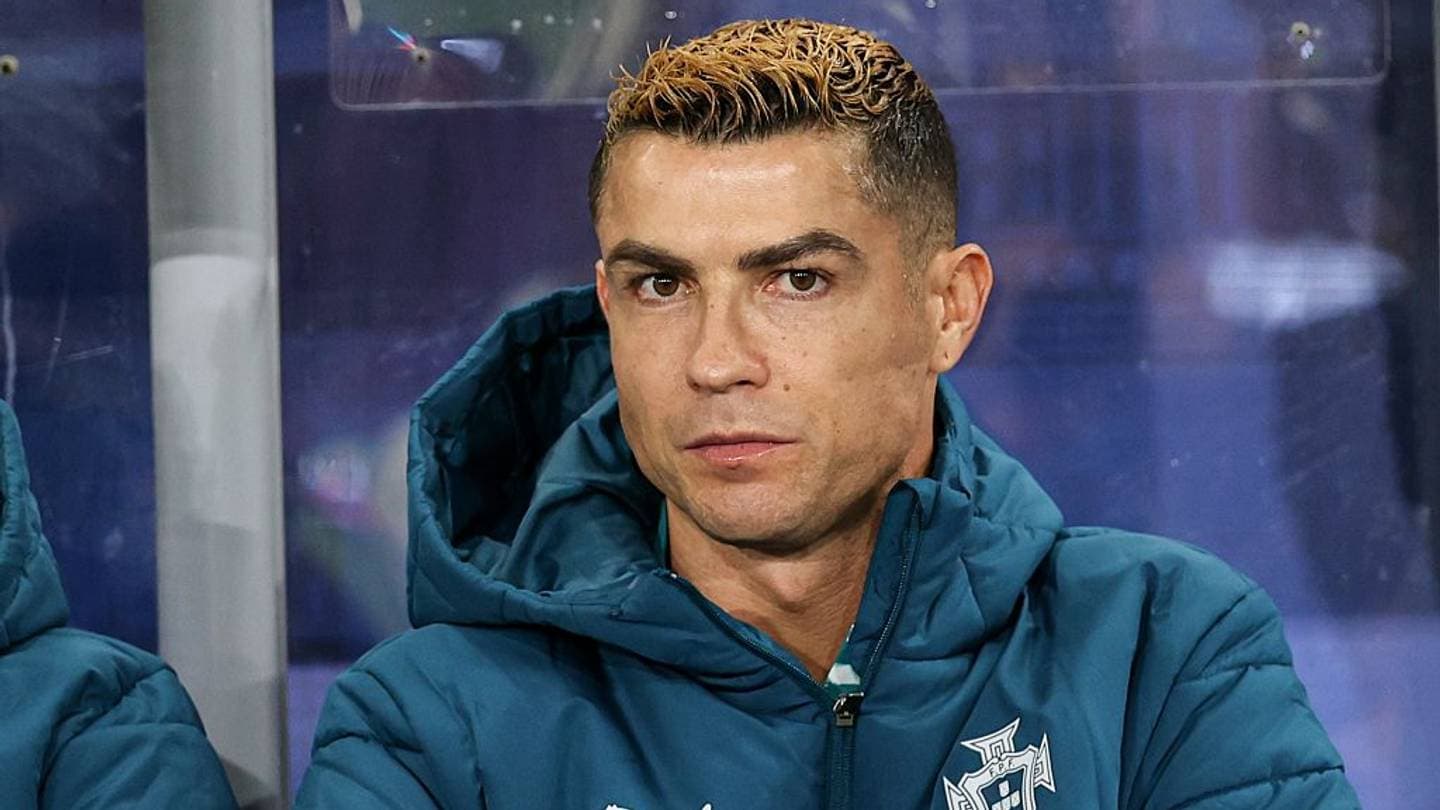
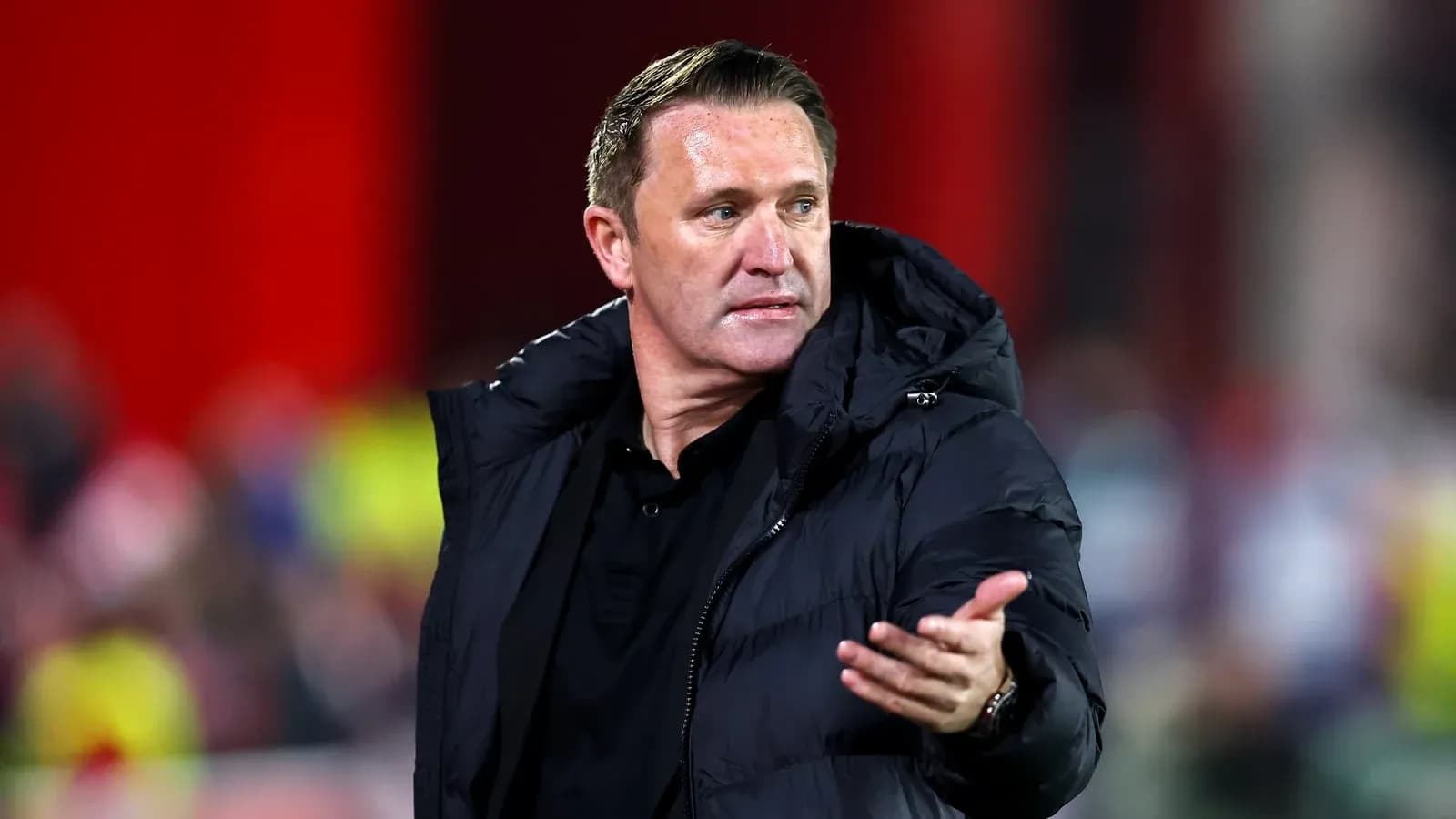
Keane, the Republic of Ireland’s record goalscorer and a prolific loanee in Glasgow back in 2010, is among the leading candidates to take over, with reports of ongoing talks with principal shareholder Dermot Desmond. On football terms alone, his CV is not without appeal: league titles in Israel and Hungary, a recognisable name, and a history with the club.
But this is not a debate about tactics or touchline presence. It is about politics, identity and what Celtic believes it stands for.
Fan groups close ranks
Graffiti and banners denouncing the idea of Keane’s appointment have appeared outside Celtic Park in recent days, a visible marker of the anger that has been building. A statement first emerged online from a group styling itself Celtic Fans for the Liberation of Palestine, setting out in blunt terms why a section of the support cannot accept Keane as manager.
That message has now been amplified. The North Curve Celtic account on X has published a list of 67 groups that have endorsed the statement. It is not a fringe coalition. The Green Brigade and Bhoys Celtic ultras are on it, as are podcasts such as the Cynic and eTims. Long-established organisations like Glasgow University Celtic Supporters Club and Craigneuk Tommy Gemmell CSC have also signed up.
The statement leans heavily on Celtic’s sense of self. It argues that the club’s roots lie in a community “shaped by the legacy of genocide, displacement and famine” and insists that solidarity with Palestinians is woven into the modern support’s identity. Against that backdrop, Keane’s decision to remain in Israel with Maccabi Tel Aviv after the conflict in Gaza began is presented as impossible to overlook.
“For us, Robbie Keane's decision to manage Maccabi Tel Aviv during the genocide in Gaza is impossible to ignore,” the statement reads, before describing his choice to work “less than 40 miles away” from the bombardment as “unconscionable”.
The signatories warn that at a time when Celtic “requires unity and collective purpose”, appointing Keane would be “deeply divisive” and, from a football perspective, “predictable and uninspiring” when they believe “greater ambition is needed”. Their message to the board is direct: listen, and reconsider.
Keane’s Israeli chapter
Keane took the Maccabi Tel Aviv job in June 2023, months before the Hamas-led attacks of 7 October triggered Israel’s offensive in Gaza. The subsequent bombardment has led to the deaths of more than 70,000 people, according to widely cited figures. An independent UN commission reported last October that Israel had committed genocide against Palestinians in Gaza.
Those events transformed Keane’s position from a straightforward coaching appointment into a lightning rod. While some in Ireland and beyond criticised his decision to stay, Keane chose to see out the season. On the pitch, he delivered. Maccabi completed a league and cup double before he resigned in the summer of 2024.
Keane has since explained why he remained in post, pointing to his responsibilities to the staff who followed him to Israel. “I have a duty of care,” he said, highlighting the example of an analyst who had left Middlesbrough after 12 years to join him. To walk away mid-season, Keane argued, would have left that staff member and his family exposed.
“So I made the decision to stay until the end of the season and to walk away from a big contract – another year, possibly two more years. We made that decision as a group, as staff,” he said.
That justification resonates with some. For many of the groups now lining up against his possible appointment at Celtic, it does not come close.
A decision with consequences
This is the fault line the Celtic board must now navigate. On one side, a high-profile former player with recent trophies and a strong personal relationship with Desmond. On the other, a mobilised, politically engaged section of the support that views the Gaza war not as a distant conflict but as a moral test.
Celtic’s fanbase has long been vocal on Palestinian issues, with flags and banners a familiar sight at European nights. That history gives this dispute a sharper edge. This is not a routine disagreement over a managerial candidate’s win percentage. It cuts into the story many supporters tell themselves about what Celtic is and what it should be.
The club’s hierarchy can push ahead with Keane if they believe he is the right football decision. They can argue that a manager is hired to win matches, not to align with every strand of supporter politics. But they would be doing so in full knowledge that a sizeable and organised section of the crowd has already drawn its line in the sand.
The next move belongs to the board. Whether they stand by their reported interest in Keane or pivot to another candidate will say as much about their reading of Celtic’s soul as it will about their ambitions for the team.