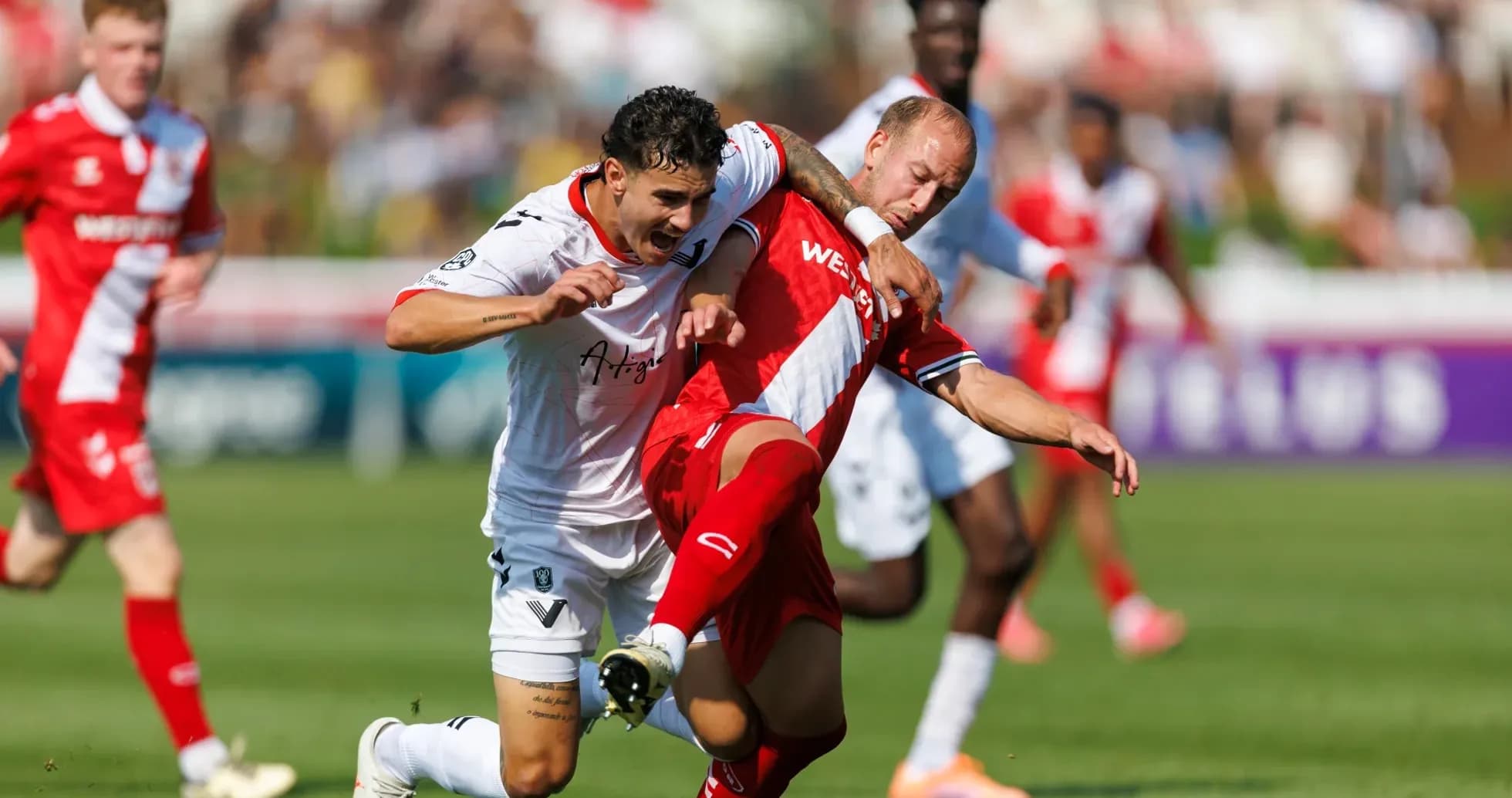
Cavalry FC Dominates Vancouver FC in 1-0 Victory
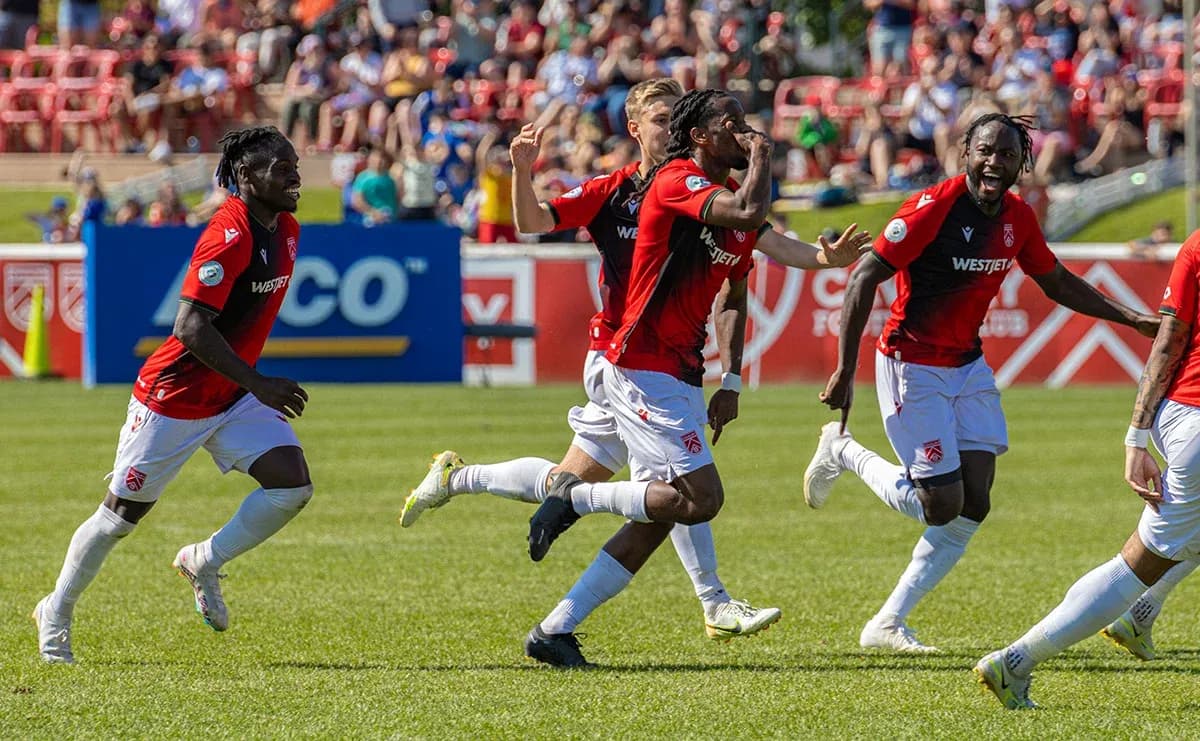
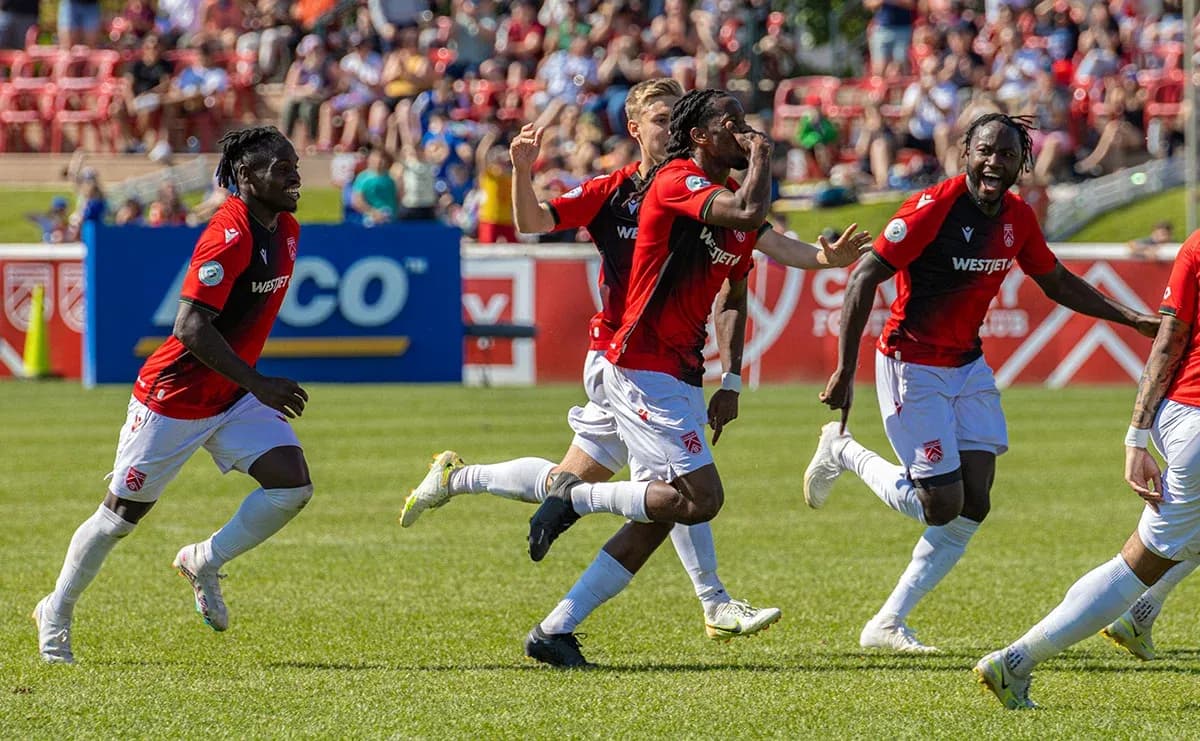
Under the late-summer lights at ATCO Field, Cavalry FC’s 1–0 win over Vancouver FC felt less like a routine home victory and more like a statement of how far apart these two sides now are in their footballing identities.
I. The Big Picture – Table leaders vs fragile contenders
Heading into this game, Cavalry sat top of the Canadian Premier League with 43 points from 19 matches, a goal difference of 26 built on 37 goals scored and just 11 conceded. At home they had been almost flawless: 10 matches, 8 wins, 2 draws, 0 defeats, with 23 goals scored and 6 conceded. An average of 2.3 goals at home against only 0.6 conceded tells the story of a side that expects to dominate on their own pitch.
Vancouver arrived in Calgary as a dangerous but inconsistent fourth-placed side. They had 27 points from 20 games, with a total goal difference of 3 (26 scored, 23 conceded). On their travels, the story darkened: 10 away fixtures, 3 wins, 1 draw, 6 defeats, 12 goals scored and 14 conceded. Their away averages – 1.2 goals for and 1.4 against – painted them as competitive but too porous to be trusted over 90 minutes.
The final 1–0 scoreline fits the season-long pattern: Cavalry’s defensive control suffocating a Vancouver team that relies on moments rather than structure.
II. Tactical Voids – What was missing, and what that forced
Neither side had listed absentees in the data, but the lineups themselves revealed structural gaps. Tommy Wheeldon’s Cavalry started without a recognised central striker beyond C. Elva, leaning into a fluid front line where Elva, A. Musse and T. Warschewski could interchange. With no fixed formation listed, it still resembled their season-long preference for a 4-2-3-1 or 4-4-2, anchored by the back four of A. Pearlman, D. Klomp, A. Didic and Fewo.
The key tactical void for Cavalry was the absence of midfielders like H. Paton and E. Kobza from the matchday list, both of whom are among the league’s most carded players. Paton has 7 yellow cards this season, while Kobza has 6 yellows and a yellow-red. Their omission subtly changed the midfield’s personality: less combative, more about controlled circulation through J. McGlinchey and N. Edwards, and creativity from Warschewski and Musse.
For Vancouver, Martin Nash’s selection told its own story. With only nine listed starters in the data, the spine was clear but thin: C. Irving in goal; a back line of M. Doner, M. Campagna, Thomas Geoffrey Field and K. Proctor; a midfield trio including T. Bah, D. Pecile and M. Amissi; and L. Mousset as the focal point in attack. The absence of creative profiles like I. Ssewankambo from the starting side robbed Vancouver of a natural tempo-setter between the lines, while top scorer T. Campbell began on the bench despite his 4 goals from 20 appearances.
Discipline-wise, the season trends were stark. Cavalry spread their yellow cards fairly evenly, with a slight spike between 46–60 minutes (23.26%), suggesting an aggressive reset right after half-time. Vancouver, by contrast, have a pronounced late-game disciplinary issue: 25.71% of their yellow cards arrive between 76–90 minutes, the period where legs tire and structure frays. In a tight away match against the league leaders, that fragility loomed over every late challenge.
III. Key Matchups – Hunter vs shield, engine vs engine
The defining battle was always likely to be Cavalry’s multi-pronged attack against Vancouver’s back line and their away defensive record. Overall this season, Vancouver concede 1.2 goals per game, rising to 1.4 on their travels. Cavalry, meanwhile, score 1.9 goals per game in total and 2.3 at home. That is the classic hunter-versus-shield dynamic tilted in favour of the hosts.
Individually, D. Klomp was the quiet fulcrum of Cavalry’s control. With 3 league goals and 1 assist from defence, plus 496 completed passes at 91% accuracy, he is not just a stopper but a deep-lying playmaker. He has also blocked 5 shots this season, underlining his penalty-box authority. Alongside him, Pearlman’s 71 duels with 45 won and 21 tackles give Cavalry a defender who steps out aggressively, compressing space for forwards like Mousset.
Further ahead, Warschewski and Musse shaped the “engine room” in the final third. Warschewski’s 3 goals, 1 assist and 19 key passes show a forward who drops to knit play, while Musse’s 11 key passes and 2 assists from wide areas stretch back lines horizontally. Without a pure destroyer like Paton behind them, the onus was on McGlinchey and Edwards to balance risk and control, keeping Cavalry’s structure intact while still feeding their creators.
For Vancouver, the counterpunch was meant to come from Mousset’s movement and the bench firepower of Campbell. Campbell’s 4 goals from limited minutes, plus 12 total shots and 5 key passes, mark him as Vancouver’s most reliable finisher. But to unleash him, Vancouver needed a platform: the double pivot of Pecile and Bah had to resist Cavalry’s press and find forward lanes. With Vancouver’s away record and their tendency to concede in waves, that platform never fully materialised.
In the wide areas, Field’s duel with Cavalry’s right-sided rotations was critical. Field’s 315 passes at 88% accuracy and 9 interceptions speak to a defender who reads the game well, but Vancouver’s away goals-against total of 14 suggests he is often overexposed. Against a side that regularly overloads flanks, his defensive positioning was always going to be tested.
IV. Statistical Prognosis – Why 1–0 made sense
From a numbers perspective, a narrow Cavalry win aligned almost perfectly with the underlying trends. Cavalry’s total defensive average of 0.6 goals conceded per match, combined with 8 clean sheets overall, made a Vancouver breakthrough statistically unlikely, especially given the visitors have failed to score in 5 away games and 8 times in total.
Offensively, Cavalry’s home average of 2.3 goals suggested they could have scored more, but Vancouver’s occasional resilience – 3 clean sheets overall and a best away win of 1–5 – hinted they could compress space for long spells. The final 1–0 reads like a match where Cavalry’s control and structure were rewarded, but Vancouver’s deeper block and Irving’s presence in goal kept the scoreline respectable.
Penalties were unlikely to tilt the balance either way. Cavalry have taken 3 penalties this season and scored all of them, with no misses. Vancouver have converted 2 from 2. With both sides perfect from the spot and no penalties missed, the margins were always more likely to come from open play structure than from dead-ball drama.
In the end, this fixture reinforced the seasonal narrative. Cavalry remain the league’s most complete side: tactically flexible, defensively miserly, and relentlessly effective at home. Vancouver stay what they have been all year – capable, occasionally explosive, but too fragile on their travels to consistently trouble the division’s elite.