Cavalry FC Dominates Pacific FC in Canadian Premier League Showdown
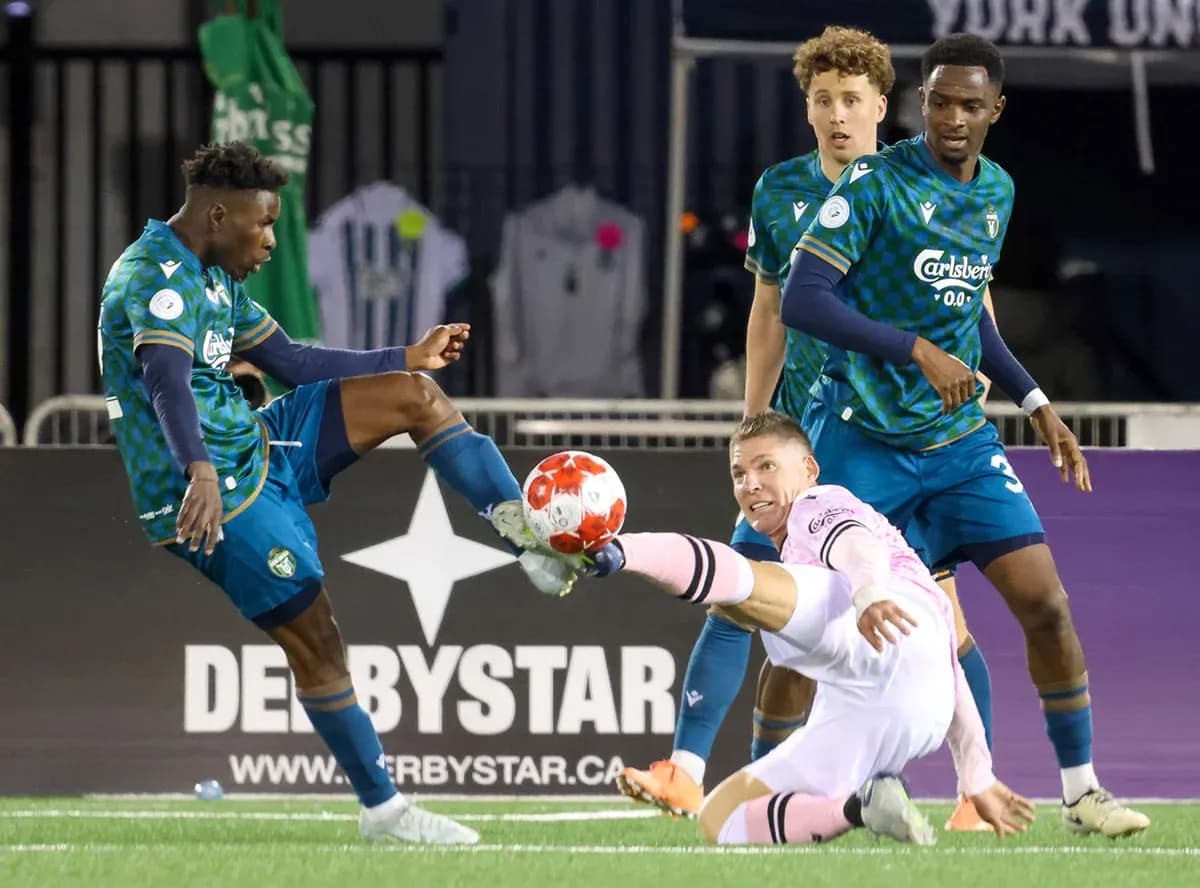
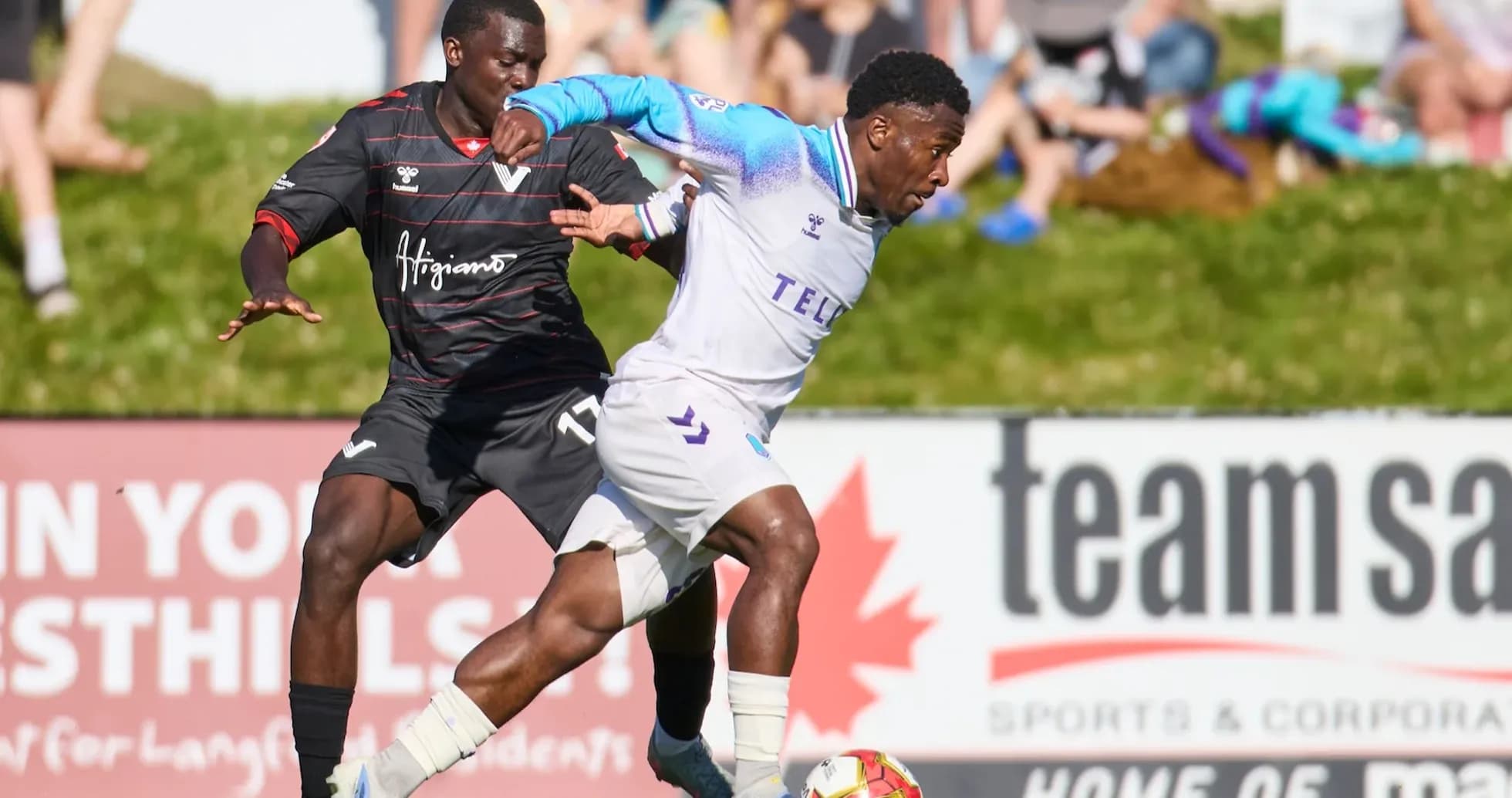
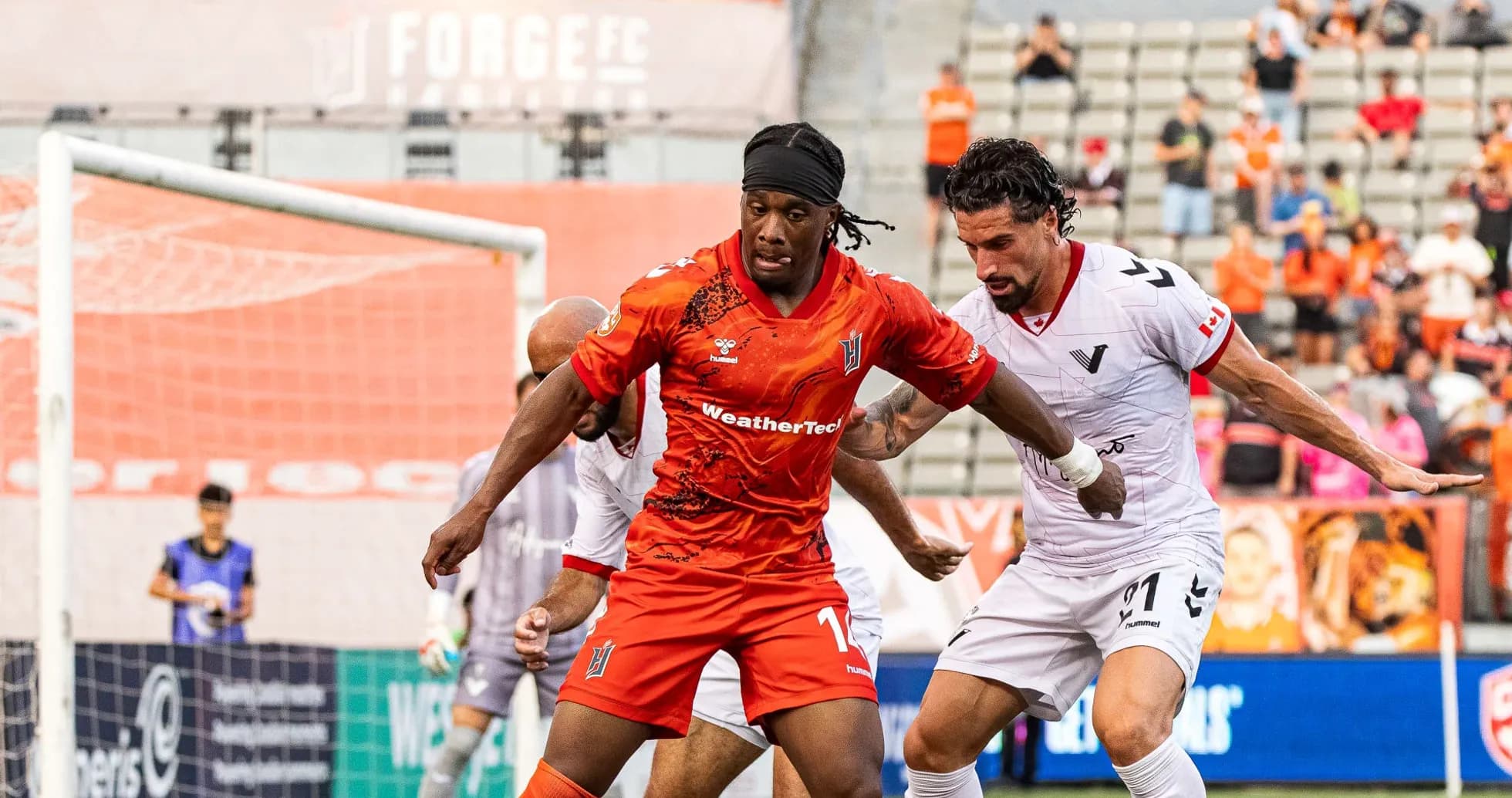
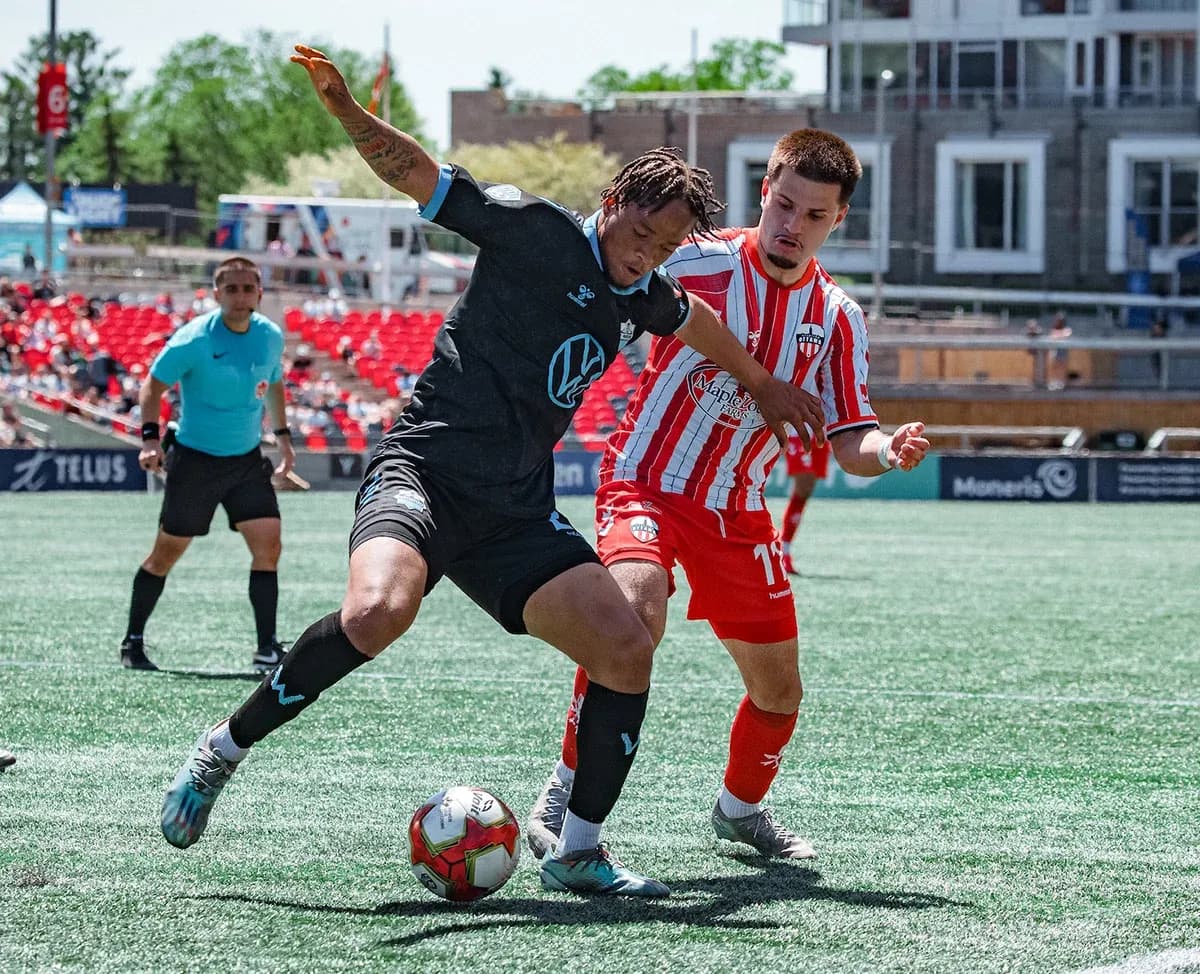
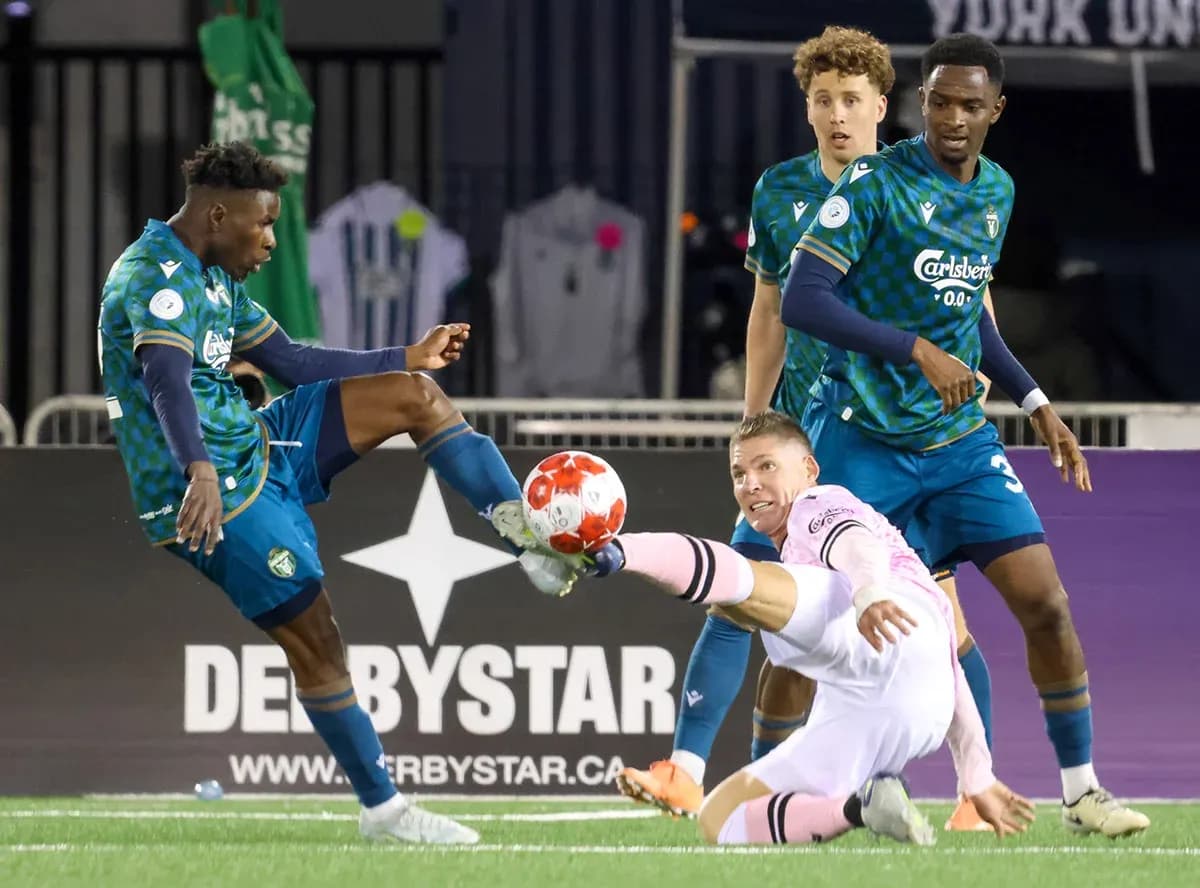
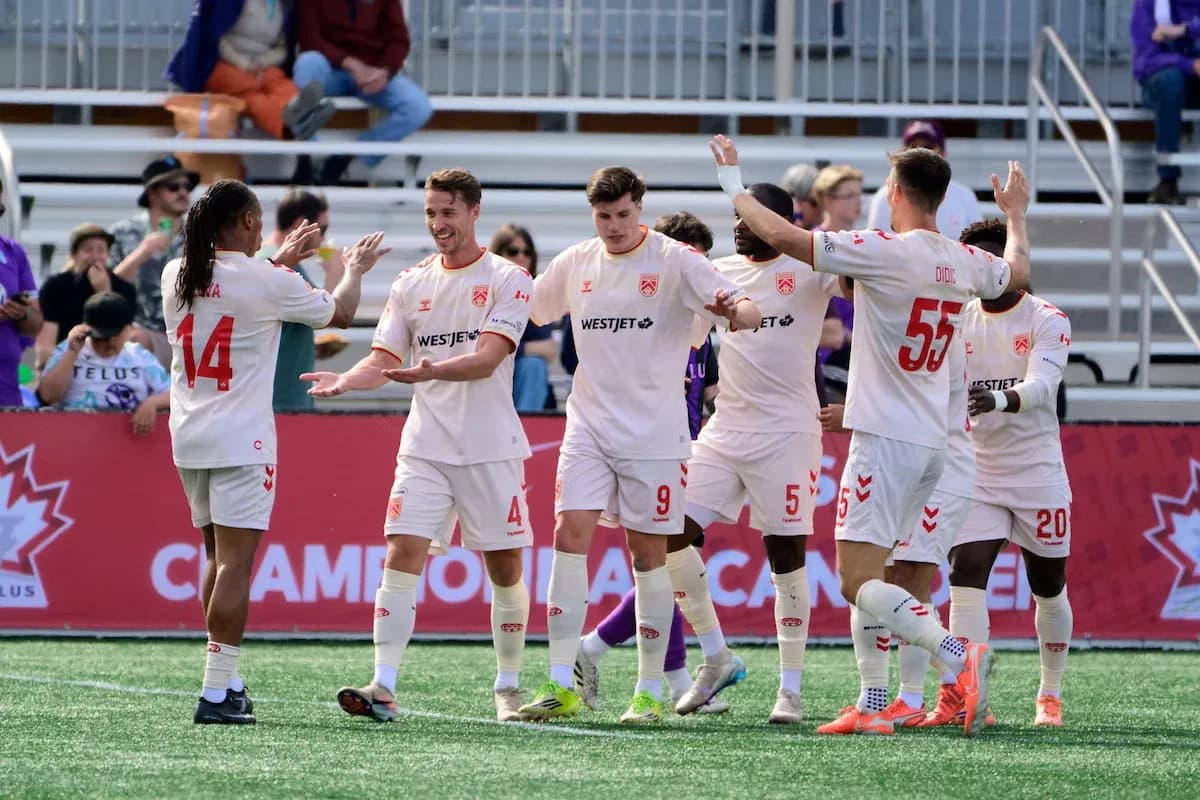
The night at Starlight Stadium ended with a familiar story: Pacific FC straining for progress, Cavalry FC quietly, ruthlessly efficient. A 1–0 away win in the Canadian Premier League Group Stage underlines the gap between bottom and top of the table, but the lineups and season data tell a more nuanced tale about where each squad stands and where they are heading.
I. The Big Picture – Two Clubs on Opposite Arcs
Following this result, Pacific remain 8th with 10 points from 21 matches. Their overall goal difference of -18 is starkly rooted in the numbers: 25 goals scored and 43 conceded. At home they have played 11 league games, winning 1, drawing 2 and losing 8, with 13 goals for and 21 against. The home averages are revealing: 1.2 goals scored per game, 1.9 conceded. This is a team that can create, but cannot keep the door shut.
Cavalry, by contrast, leave Vancouver Island sitting top of the table in 1st place with 49 points from 21 matches. Their overall goal difference is a commanding +29, built from 41 goals scored and only 12 conceded. On their travels they have played 11 times, winning 7, drawing 2 and losing just 2, with 18 goals scored and 6 conceded away from home. That translates to 1.6 away goals scored per match and only 0.5 conceded – elite numbers for a side that knows how to manage games on hostile turf.
The formations on the night mirrored those trajectories. Pacific’s 4-4-2 under T. Dunfield was a throwback shape, two banks of four behind a front pair, while Tommy Wheeldon Jr. stayed loyal to Cavalry’s modern 4-2-3-1, a system that has underpinned their balance between control and vertical threat all season.
II. Tactical Voids and Discipline – A Fragile Pacific Spine
Pacific’s season-long fragility is defensive rather than attacking. Overall they average 1.2 goals for per game, but 2.0 against. They have kept only 1 clean sheet in total, and at home they have yet to record a single one. The back four that started here – K. Chung, S. Keshavarz, D. Konincks and C. Greco-Taylor in front of goalkeeper S. Melvin – is a mix of promise and punishment.
Konincks is one of the league’s standout defenders statistically: 3 league goals, 1 assist, 17 shots, 6 on target, 19 interceptions and 5 successful blocks. He wins 50 of 81 duels and passes with 90% accuracy. Yet his work is constantly undermined by the volume of defending required. Greco-Taylor, also in the top bracket for yellow cards with 5, has made 29 tackles and 16 interceptions but is often forced into recovery defending. Together, they epitomise a back line that is busy rather than in control.
The disciplinary profile of Pacific is a tactical problem in itself. Their yellow cards are heavily back-loaded: 17.07% between 46–60 minutes, another 17.07% from 76–90, and a striking 24.39% in the 91–105 range. Red cards peak even more dramatically late: 66.67% between 76–90 minutes. This is a team that tires, chases, and fouls late. In a match like this against a physically relentless Cavalry, that tendency invites late pressure and late punishment.
Cavalry’s discipline is sharper, if still aggressive. Their yellow cards are most frequent from 46–60 minutes (23.40%), reflecting an intentional surge after half-time rather than end-game panic. Red cards are rare and isolated to a single first-half dismissal across the season. Players like E. Kobza and H. Paton, both among the league leaders in yellow cards with 7 each, are tactical foulers in the engine room rather than liabilities; they absorb the dirty work that allows Cavalry’s attacking line to play with freedom.
III. Key Matchups – Hunter vs Shield, Engine vs Engine
The “Hunter vs Shield” narrative for this fixture began before kick-off. For Pacific, the purest finisher in the squad is A. Díaz, who came off the bench here. He has 5 league goals and 1 assist from 18 appearances, with 12 shots and 7 on target, plus a perfect record from the spot: 3 penalties taken, 3 scored, none missed. He is a penalty-box forward who thrives on service and chaos.
Facing him is one of the league’s most complete centre-backs, Cavalry’s D. Klomp. Across the season he has 4 goals and 1 assist – a genuine set-piece weapon – but his defensive metrics are even more imposing: 660 passes at 90% accuracy, 12 interceptions, 5 successful blocks, and 42 duels won from 70. In Cavalry’s 4-2-3-1, Klomp and partner A. Didic formed a dominant central pairing, protected by the double pivot.
Ahead of them, the “Engine Room” battle centred on Pacific’s Y. Toualy and R. Juhmi against Cavalry’s Kobza and the fluid trio ahead. Toualy is quietly one of the league’s most creative players: 5 assists, 1 goal, 11 key passes, 35 dribbles attempted with 20 successful, and 51 duels won from 102. He is Pacific’s top assist provider and their most reliable ball-progressor between the lines.
Juhmi, meanwhile, sits near the top of the yellow-card charts with 6 bookings, but that is the cost of his role. With 20 tackles, 8 interceptions and 437 passes at 87% accuracy, he is the shield in front of Pacific’s defence. Against Cavalry, he was asked to break up combinations between S. Camargo, T. Warschewski and N. Edwards – a task that demands both timing and restraint.
On the other side, Cavalry’s creative heartbeat is Warschewski. He is simultaneously a scorer and provider: 4 goals, 3 assists, 29 key passes, 28 shots (15 on target), and 31 dribbles attempted. He draws 22 fouls and is one of the league’s most persistent attacking presences. His understanding with wide runners like C. Elva and the surging full-back A. Pearlman – who has 2 assists and 12 key passes from right-back – gives Cavalry layers of threat Pacific struggled to track.
IV. Statistical Prognosis – Why 1–0 Felt Inevitable
Even without explicit xG values in the data, the season profiles of both teams point to a likely pattern: Cavalry controlling territory and chance quality, Pacific relying on moments. Cavalry’s defensive record is extraordinary: only 12 goals conceded overall, 6 at home and 6 away, with averages of 0.6 per match overall and 0.5 away. They have kept 9 clean sheets in total, 5 of them on their travels. They arrived at Starlight Stadium as a side that expects to shut teams out.
Pacific, conversely, had failed to score in 6 matches overall heading into this game and had not kept a single home clean sheet all season. Their best attacking days – like the 4–3 home win that stands as their biggest victory – are outliers rather than norms. More often, they concede first and are forced to chase, exactly the scenario that amplifies their late-game card surge.
Overlay those tendencies and the 1–0 away scoreline feels almost pre-written. Cavalry’s away average of 1.6 goals scored and 0.5 conceded suggests they can win tight games without needing to overwhelm. Pacific’s total average of 2.0 goals conceded per match and their late disciplinary spikes make them vulnerable to exactly the kind of controlled, patient performance Wheeldon Jr.’s side delivered.
For Pacific, the path forward lies in rebalancing the squad around their genuine talents. Konincks, Toualy and Díaz give them a spine with quality at both ends of the pitch; Juhmi and Greco-Taylor add bite and ball-winning. But until the defensive structure reduces the volume of last-ditch actions – and the late-game card count drops – they will remain a team whose individual stories outshine their collective results.
Cavalry, meanwhile, leave Starlight Stadium looking every inch a champion-in-waiting: a back four marshalled by Klomp and Pearlman, a midfield anchored by Kobza, and an attack orchestrated by Warschewski. In a league defined by fine margins, their statistical solidity and tactical clarity make nights like this feel less like contests and more like confirmations.