Cavalry FC Dominates Supra du Quebec in 6-0 Victory
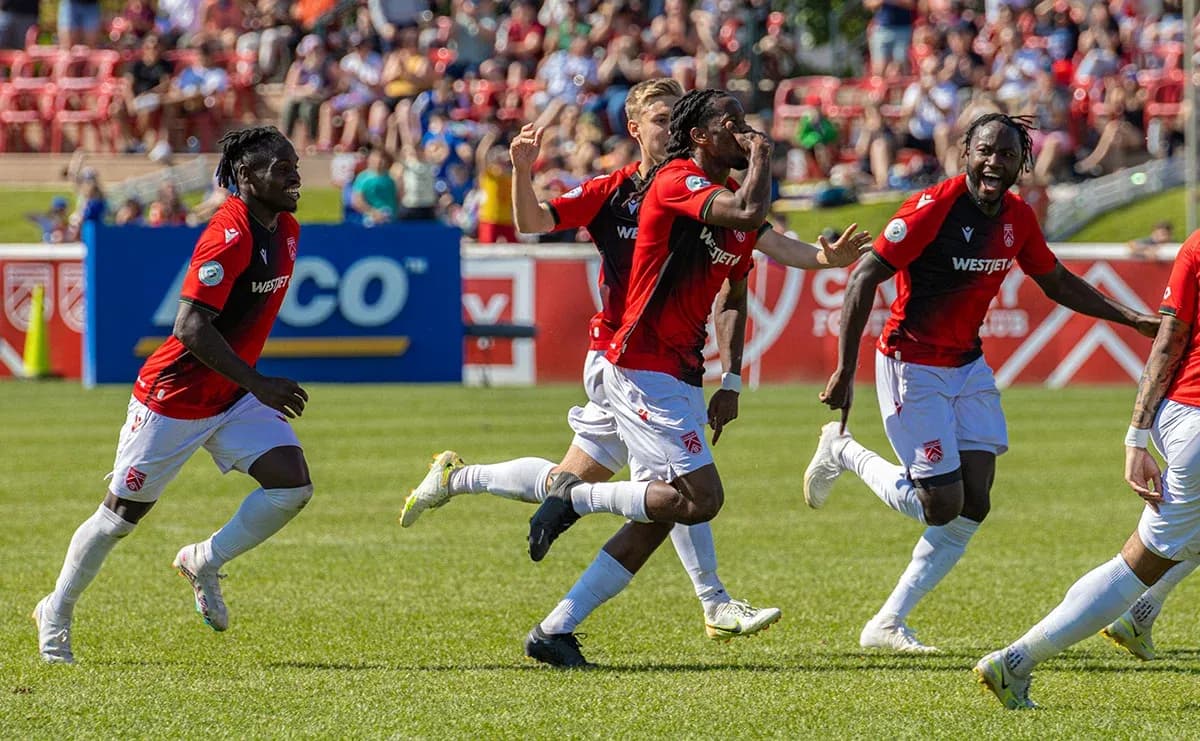
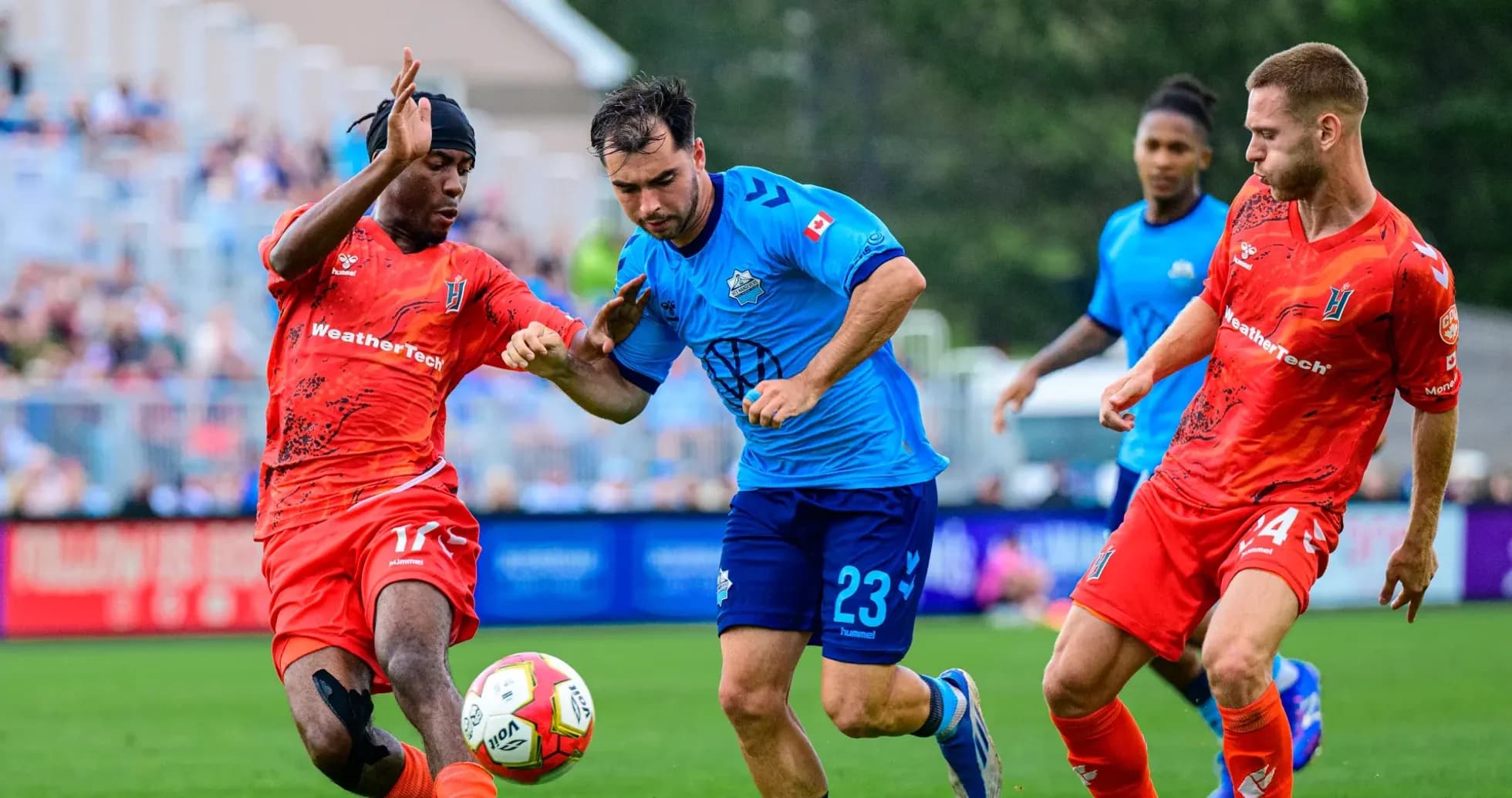
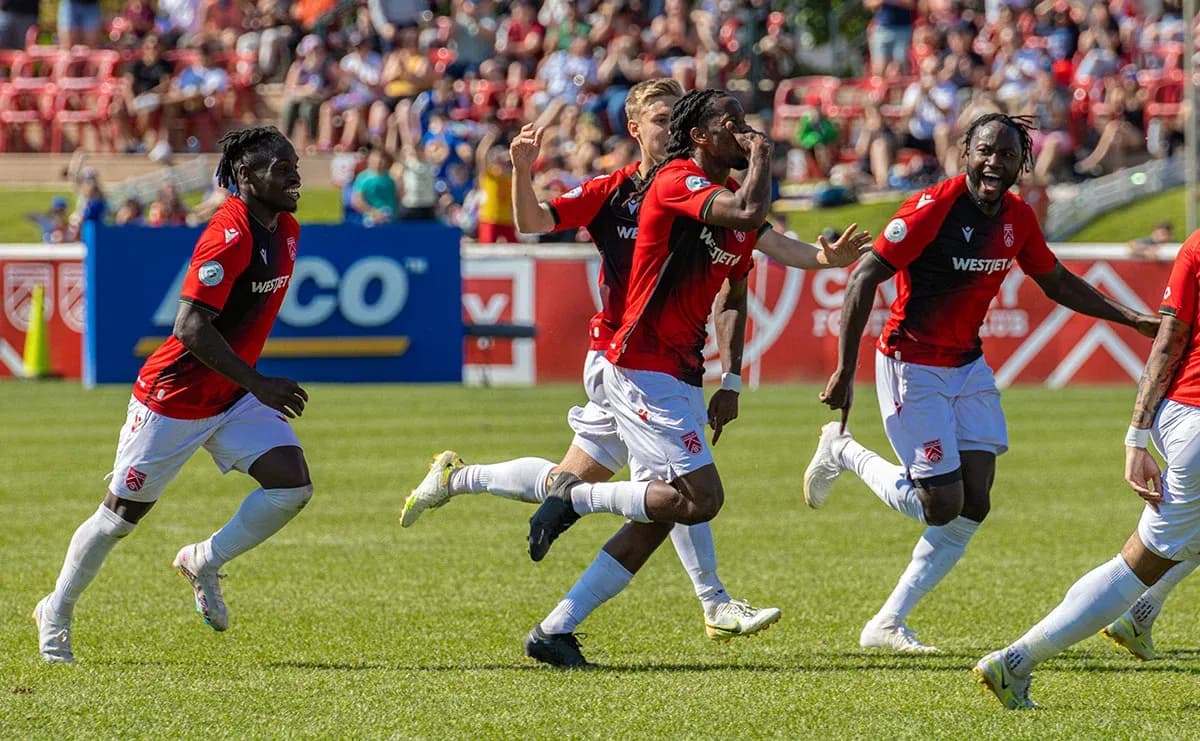
Under the floodlights at ATCO Field, Cavalry FC did far more than protect top spot in the Canadian Premier League table – they delivered a 6-0 statement that underlined the structural gulf between a polished contender and an ambitious but fragile Supra du Quebec side. In a league where margins are often tight, this was a demolition rooted in system, rhythm, and a ruthless reading of the opponent’s weaknesses.
Coming into the night, Cavalry already carried the profile of a champion-in-waiting. Overall they had 16 wins from 23 matches, with a goal difference of 35 built from 48 goals scored and only 13 conceded. At home they had been close to flawless: 9 wins, 3 draws, 0 defeats, with 30 goals scored and just 7 allowed. Supra arrived in Foothills County as a dangerous but inconsistent mid-table side, 6th in the standings with 25 points, 31 goals scored and 44 conceded overall – a negative goal difference of -13 that told its own story.
Tommy Wheeldon Jr. set Cavalry up in a 4-4-2 that looked, in practice, like a fluid, aggressive 2-4-4 when they had the ball. N. Ingham was largely a spectator behind a back four of B. Kamdem, A. Didic, D. Klomp, and A. Pearlman. In front of them, the double pivot of E. Kobza and N. Myroniuk offered both control and bite, while wide midfielders G. Ntignee and N. Edwards stretched the pitch and attacked the half-spaces. Up front, A. Musse and Robert Owen Antoniuk were given license to roam, drag centre-backs wide, and attack the box in waves.
Supra du Quebec’s 4-3-3 was more conservative on paper but repeatedly exposed in practice. J. Milli stood in goal behind a back line of C. Auguste, M. Chretien, Z. Brault-Guillard, and D. Abzi. The midfield trio of A. Sissoko, Alessandro Biello, and S. Rea was tasked with building play and screening transitions, while a front three of L. Kwemi, I. Conde, and N. Santos was meant to carry the counter-attacking threat.
The opening 45 minutes were a microcosm of the season-long trends. Cavalry, who overall average 2.5 goals per game at home, imposed their usual territorial siege. Their season data shows a pronounced attacking surge from 46-60 minutes (16.33% of their goals) and then a devastating one-two punch from 61-75 and 76-90 minutes, each window accounting for 24.49% of their goals. Here, they got a head start: by half-time they were already 2-0 up, having sliced through Supra’s right side and central channels.
Key Matchups
Structurally, the game hinged on two key matchups.
The first was the “Hunter vs Shield” duel between Supra’s leading scorer L. Kwemi and the Cavalry central pairing of Didic and Klomp. Kwemi’s season – 7 goals from 33 shots, with 18 on target – has made him one of the league’s most reliable outlets, strong in duels and capable of holding play up. But against a Cavalry defence that had conceded only 13 goals in 23 matches overall (0.6 per game) and just 7 at home (0.6 per home game), he was repeatedly starved of service. Didic and Klomp, both among the league’s best ball-playing and aerial defenders, stepped high, intercepted early, and used their passing range to immediately turn recoveries into attacks. The result was that Supra’s front three rarely received the ball in advanced central areas; Kwemi was often forced wide or back toward the halfway line, neutralising his penalty-box instincts.
The second decisive battleground was the “Engine Room” clash in midfield. Supra’s central unit – Sissoko’s work rate, Biello’s passing, Rea’s creativity – is usually the team’s heartbeat. Rea in particular has been a standout this season with 3 assists, 2 goals, and 40 key passes, often dictating the tempo between the lines. But against Cavalry’s double pivot of Kobza and Myroniuk, plus the relentless two-way running of Ntignee and Edwards, Supra were smothered. Kobza, who has quietly become one of the league’s most influential holding midfielders, again imposed himself with his blend of duels (112 overall this season) and distribution. Myroniuk complemented him by knitting short passes and stepping into pressure pockets, while Ntignee and Edwards constantly pinched in to overload the central lanes.
This dominance in the middle allowed Cavalry to lean into their strongest offensive phases. Supra’s season-long defensive data had already flashed warning lights: they concede 2.3 goals per game on their travels, and 30.23% of their goals against arrive between 76-90 minutes. Cavalry, by contrast, score 24.49% of their goals in that same late window. It is the most brutal possible overlap – a late-game surge for the home side precisely where the visitors are most vulnerable.
As the match moved past the hour mark, that statistical fault line split open. Already chasing a deficit, Supra’s lines stretched, full-backs pushed higher, and the distances between their midfield and defence grew. That was the invitation Cavalry had been waiting for. Ntignee, whose season numbers show 41 dribbles attempted with 20 successful, repeatedly attacked space behind Abzi and Auguste. Musse, with 3 goals and 2 assists this season, drifted into the right half-space, combining with Edwards and Pearlman to overload Supra’s left. The goals in the final quarter-hour were not random; they were the inevitable product of a side built to finish strong against an opponent statistically prone to collapse late.
Discipline also played its part in the broader narrative. Supra’s defensive leaders – Abzi, Auguste, Chretien, and Sissoko – all carry heavy card loads across the season, and as the scoreline worsened, their challenges became more desperate. Supra as a team show a clear pattern of late bookings, with 21.67% of their yellows arriving between 76-90 minutes, mirroring their late-game defensive frailty. Cavalry, by contrast, manage the emotional temperature more effectively, even though players like Kobza, Pearlman, and Harrison Paton (not in this matchday squad) are no strangers to the referee’s notebook.
From a tactical prognosis standpoint, this 6-0 result was less an outlier and more an extreme expression of the underlying numbers. Cavalry’s home attack, averaging 2.5 goals per game, met a Supra defence that on their travels concedes 2.3 per game and is particularly porous late on. Cavalry’s overall defensive solidity – 0.6 goals conceded per match – combined with their ability to generate sustained pressure in the second half created a scenario where Supra’s usual reliance on transition and individual brilliance from Kwemi or Rea was never likely to be enough.
Following this result, Cavalry’s identity as the league’s most complete side – balanced, ruthless, and structurally sound – is only reinforced. Supra du Quebec, meanwhile, leave ATCO Field with a stark reminder that talent in the final third must be matched by organisation, depth, and resilience, especially in those final 15 minutes where, for them, matches so often slip away.