Cape Verde's Historic World Cup Journey: Nerve and Determination
Cape Verde arrived in Houston with a dream that once sounded ridiculous. Ninety minutes later, they walked away having bent a World Cup group to their will and left a heavyweight on the brink.
A goalless draw with Saudi Arabia would not usually stir the soul. This one did. It carried the weight of an island nation’s hopes and the shockwaves of a group no one saw coming.
A coach rolls the dice, a goalkeeper stands firm
With history in sight, Bubista refused to play it safe. The Cape Verde coach ripped up half his starting XI, some changes forced, others bold, but one name remained untouchable: Vozinha.
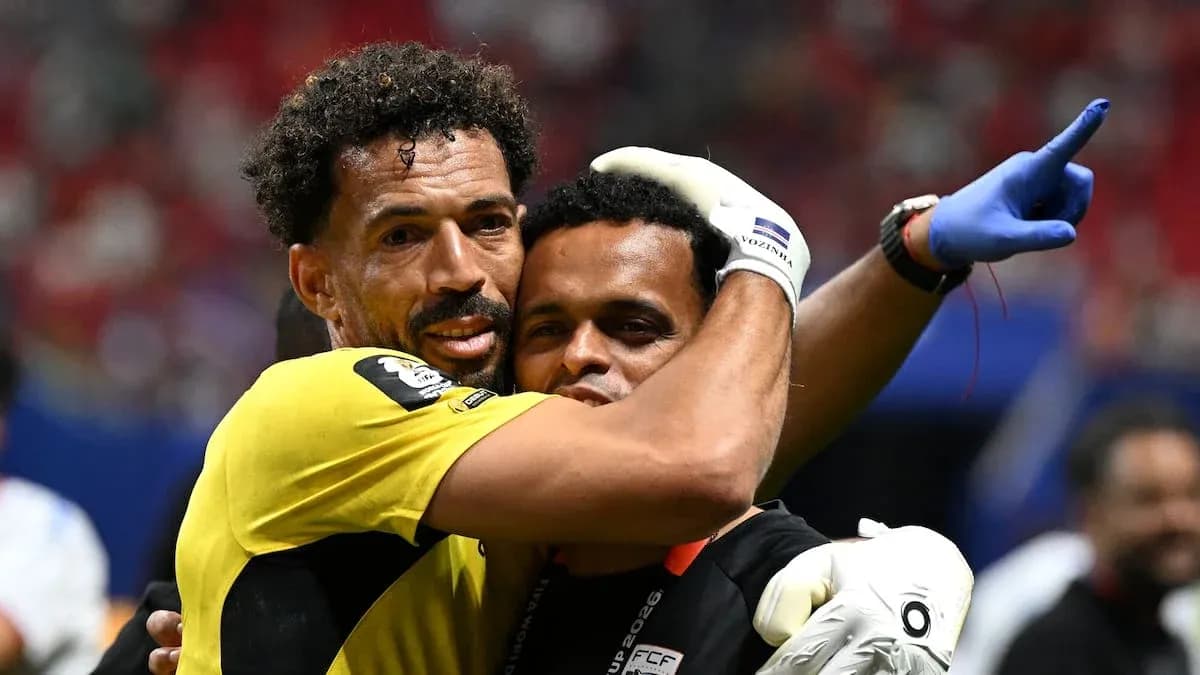
At 40, the goalkeeper has become the heartbeat of this campaign. He dragged Cape Verde through their World Cup debut, repelling wave after wave from European champions Spain to secure a stunning point. That alone would have been a story to tell for years.
He followed it with another defiant display in a 2-2 draw against two-time winners Uruguay, a result that turned a fairytale appearance into a genuine shot at the last 16. Suddenly, Cape Verde were no longer passengers. They were contenders.
Group on a knife-edge
The final round began with all three of Cape Verde, Spain and Uruguay still entangled. Spain faced the runners-up from Group J next, either Algeria or Austria, but first they had to finish the job in Guadalajara against Uruguay.
In Houston, Cape Verde kicked off against a Saudi Arabia side clinging to their own faint hopes. Saudi Arabia had drawn 1-1 with Uruguay before being torn apart 4-0 by Spain, a result that left their campaign hanging by a thread.
Cape Verde, by contrast, played with a quiet assurance. They edged the first half, sharper in possession and quicker to second balls, even if clear chances refused to come.
Saudi Arabia’s night worsened on 33 minutes when experienced defender Hassan al-Tambakti was stretchered off, a blow to both their organisation and belief. Cape Verde sensed vulnerability but could not quite land the punch.
News then filtered through from Mexico: Spain had taken the lead against Uruguay before the interval. In Houston, Cape Verde fans erupted. At that moment, their team were going through at Uruguay’s expense.
Missed chances, rising tension
The second half opened with the game there to be claimed. Three minutes after the restart, Jamiro Monteiro found himself with a major chance from close range. The stage was set; the finish was not. His effort lacked conviction and Saudi Arabia survived.
The pressure did not relent. Kevin Pina stepped up from distance, his strike whistling just wide of the post. Cape Verde were no longer simply protecting a position in the table. They were hunting a winner.
Saudi Arabia, needing to force the issue, never really did. As the match ticked into the final quarter, they remained strangely short on ideas, too slow in the final third, too predictable when it mattered.
Cape Verde, by contrast, grew in stature. They snapped into tackles, broke with intent and played like a side that believed the World Cup owed them nothing—and might give them everything.
On 75 minutes, Mohammed al-Owais produced Saudi Arabia’s standout moment, a vital save to deny Laros Duarte and keep his team alive. It felt, briefly, like a twist might be coming.
It never did.
A point that feels like a victory
As the clock bled into the dying minutes, the tension in Houston was matched only by the noise. A point was enough for Cape Verde, yet they remained the ones pushing, the ones asking questions, the ones refusing to retreat into their shell.
When the final whistle went, the scoreboard still read 0-0. The story did not. Cape Verde had navigated a brutal group, traded blows with Spain and Uruguay, and held their nerve against Saudi Arabia with the world watching.
For a nation off the west coast of Africa, once an afterthought in the global game, the equation is now simple: the knockout rounds are no longer a fantasy. They are the next step.