Brazil's VAR Controversy: CBF Demands Referee Ramos Be Dropped
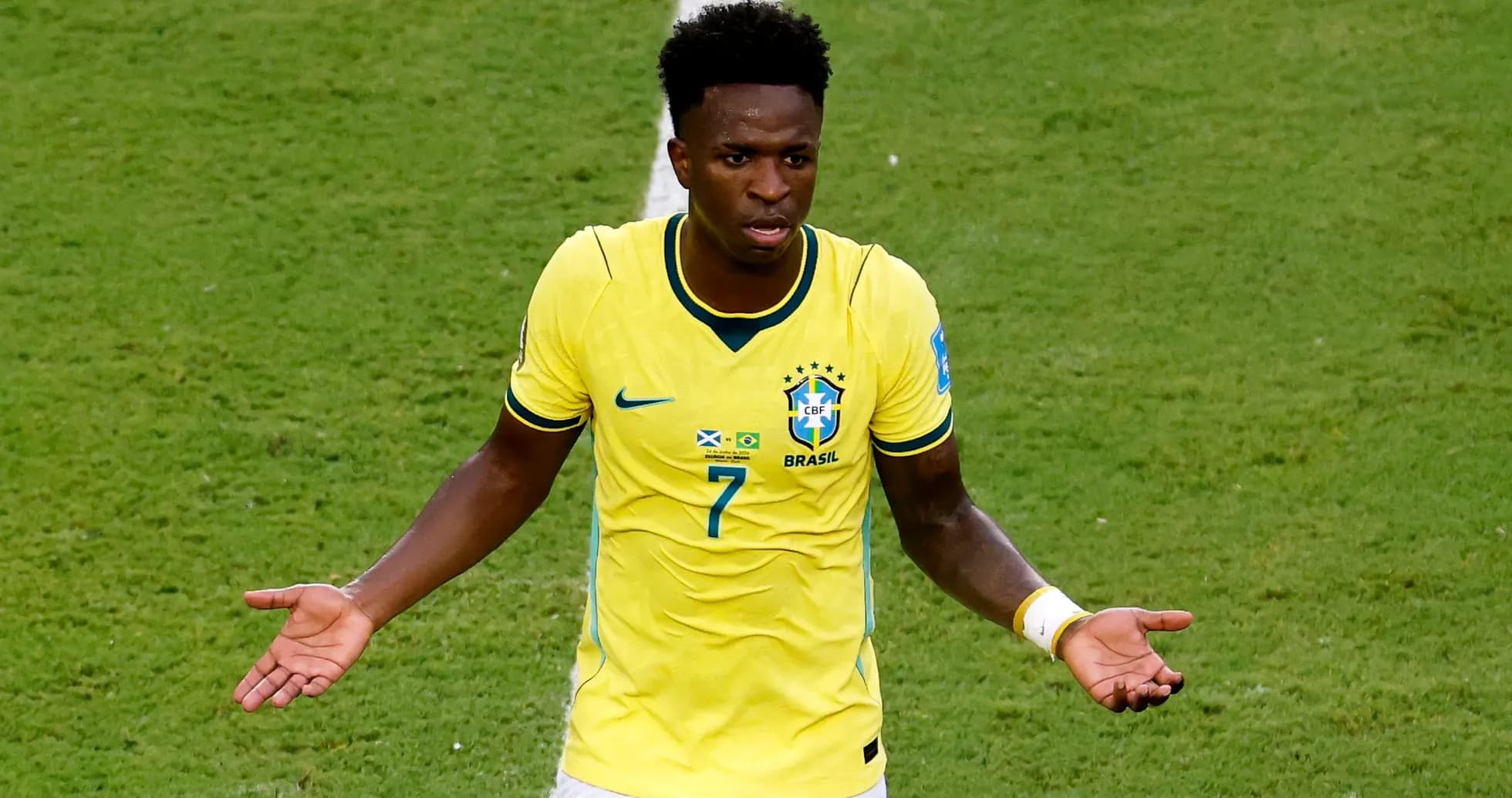
For a few seconds in the 21st minute, it felt like vintage Brazil. Jack Hendry hesitated, Vinicius Jr pounced, and with a ruthless shimmy and a cool finish past Angus Gunn, the Real Madrid star wheeled away as if he had just buried Scotland and the debate in Group C.
Referee Cesar Ramos pointed to the centre circle. Brazil were 2–0 up. Job done.
Then came the familiar, suffocating pause.
The VAR check dragged, the images rolled, and the mood turned. Ramos was summoned to the monitor, studied the replay of Vinicius nicking the ball from Hendry, and tore up the script. Foul in the build-up. Goal disallowed.
On the Brazil bench, disbelief gave way to rage. Carlo Ancelotti’s staff erupted, arms spread wide in that universal football gesture: “For that?” They argued the contact was minimal, nowhere near the “clear and obvious” threshold that is supposed to protect the flow of the game, not strangle it.
CBF Takes the Fight to FIFA
In the days since, the Brazilian Football Confederation has escalated the row far beyond a post-match gripe. CBF president Samir Xaud has written directly to FIFA president Gianni Infantino, challenging what Brazil sees as erratic and uneven officiating across the tournament.
At the heart of the complaint sits one name: Cesar Ramos.
The CBF has formally requested that the Mexican referee be removed from any future Brazil assignments in North America. In a document cited by Brazilian outlet Estadao, the federation lays out what it calls a “negative history” with Ramos, one that stretches back to the 2018 World Cup.
Brazil still bristle at that group-stage match against Switzerland. They believe they were denied a clear penalty and that a foul in the build-up to the Swiss equaliser went unpunished. For the CBF, that game was not just an isolated frustration but the start of a pattern. Their letter argues Ramos should never have been appointed for this Scotland clash, given the prior friction and the perception of unresolved grievances.
This is not just about one disallowed goal. It is about trust.
Messi as Exhibit A
In a striking move, Brazil’s federation even turned to their oldest footballing rival to make their case.
The CBF letter highlights a goal scored by Lionel Messi for Argentina against Austria earlier in the tournament, pointing to the physical duels in the build-up that were allowed to stand. The message is blunt: similar challenges are being waved on for others, while Brazil are being pulled back.
For a country that has spent decades at the centre of football’s biggest stages, using Argentina as a benchmark of perceived preferential treatment is a powerful rhetorical choice. It suggests Brazil do not just feel wronged; they feel singled out.
The document also underlines how the decision against Scotland caught almost everyone off guard. According to the CBF, the call “seemed unexpected not only for the Brazilian team, but also for the Scottish players,” whose immediate reactions hinted they neither anticipated a review nor the cancellation of the goal.
On the pitch, the game moved on. In the boardroom, it has not.
Ancelotti Shuts Out the Noise
While the federation wages its institutional battle, Ancelotti has little time for political theatre. His job is simpler and far more unforgiving: win football matches.
Brazil did exactly that. Vinicius Jr eventually got his goal anyway, and Matheus Cunha added a third as the Selecao cruised to a comfortable victory and sealed top spot in Group C. The controversy did not derail them; if anything, it seemed to sharpen their edge.
Ancelotti cut a measured figure after the final whistle. No wild accusations, no theatrics. Just a coach who knows knockout football is not kind to teams that dwell on injustices.
“Now we are playing as a team, that is the goal. We are not perfect, we have things to improve. We can be a little quicker when we have control,” he said, stressing progress rather than grievance. “I’m happy because the team has improved a lot, now we are solid. In the knockout stage, solidity is very important. We have a solid team. Compared to the first game, we are making fewer mistakes, we have more rhythm, and we are more effective up front.”
The words fit the performance. Brazil looked more compact, more connected, and far more ruthless in transition. The VAR storm swirled above them; on the grass, they stayed on task.
Japan Await in Houston
Next up is Japan in the round of 32 in Houston, a tie that offers no margin for error and no room for emotional hangovers. The stakes rise now, every decision magnified, every whistle dissected.
The CBF’s letter will sit on Infantino’s desk. The VAR clips will be replayed, argued over, slowed down frame by frame. But once the ball rolls in Houston, none of that will save Brazil if they lose focus.
They believe they have been wronged. They believe the system is not treating them fairly. The question now is simple: will that sense of injustice fuel their campaign, or become the distraction that derails it?