Barcelona's Raphinha Situation: Financial Decisions and Future Planning
Barcelona’s summer with Raphinha was never as calm as it looked from the outside.
Behind the public insistence on continuity, the club were listening. And when Saudi Arabia came calling, the noise around the Brazilian winger became loud enough for the board to start planning for life without him.
Barça’s Saudi temptation
Early in the window, Raphinha’s name repeatedly surfaced in connection with the Saudi Pro League. Those links were not just idle gossip. Journalist Romain Molina has revealed that Barcelona were “very open” to the idea of the 27-year-old leaving, especially if the money came from Saudi Arabia.
The interest was serious enough for the club to act as if a departure was more than just a distant scenario. They did not wait to be surprised.
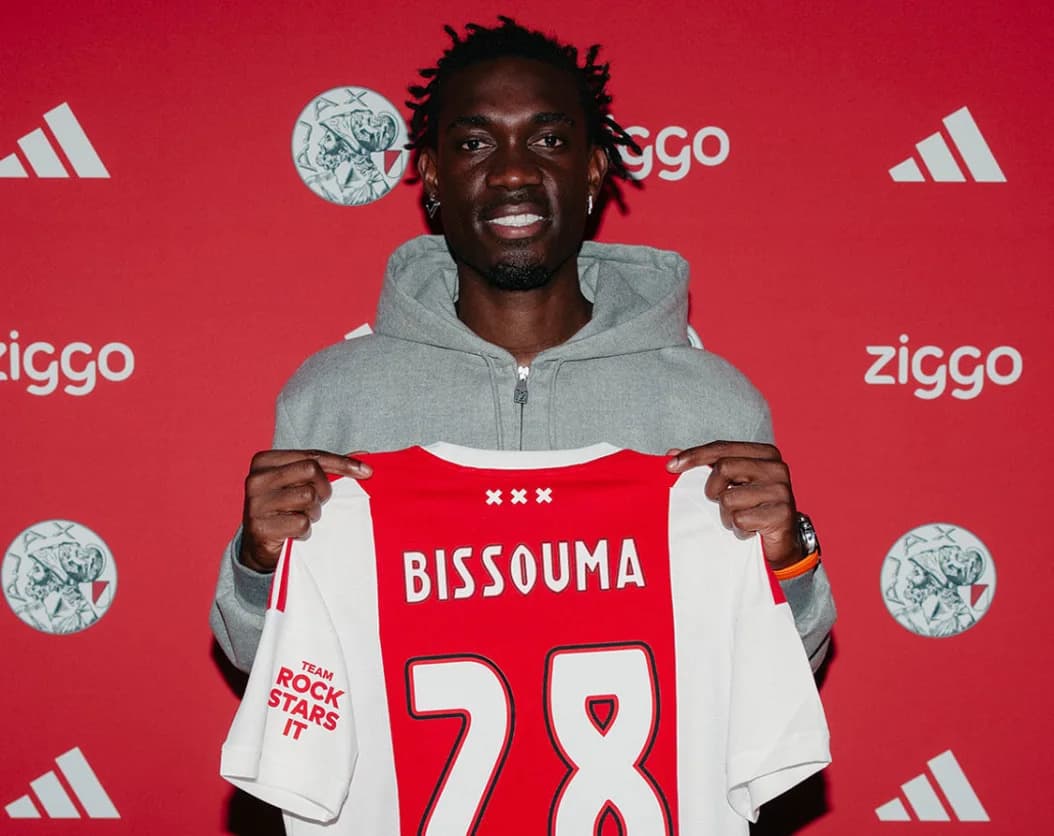
According to Molina, Barça’s move for young winger Jesse Bisiwu was directly tied to that possibility. The signing was framed as forward planning: a talent for the future, but also a safety net if a huge offer for Raphinha landed on the table.
“Everything was planned in advance just in case,” Molina explained, outlining how the board had mapped out a potential post-Raphinha squad.
A financial lever in boots
This was never just about tactics or squad balance. It was about money.
Barcelona’s finances remain tight, and Saudi clubs were prepared to spend big on Raphinha. For a board still wrestling with wage limits and accounting pressure, the prospect of a sizeable fee was hard to ignore.
A sale would have handed the Blaugrana breathing space: room to manage the books, flexibility to address other weak spots, and the chance to reshape the attack. Raphinha, in effect, became a financial lever in boots.
Molina also underlined two other factors lurking in the background: the player’s physical record and his contract expectations. Talks around a move had already surfaced last year and again in the winter, he said, even if no final agreement ever materialised.
The injuries, though, are starting to weigh on the club’s thinking.
“This whole history of injuries is starting to cause some concern,” Molina warned. For a player who relies so heavily on explosiveness and repeated sprints, any recurring fitness issue quickly turns into a strategic question: how much do you invest, and for how long?
The No. 9 equation
Strip everything back, and one priority keeps reappearing on Barcelona’s agenda: a new centre-forward.
The club’s push for a top-level No. 9 has grown more urgent, especially with their pursuit of Julián Álvarez collapsing. Without a marquee striker, the attack feels one piece short of the picture the board and coaching staff want.
That is where Raphinha’s situation becomes central. A major sale involving the Brazilian could unlock the funds needed to go after an elite striker. The calculation is brutal but simple: sacrifice one of your biggest attacking names to secure the focal point of your forward line.
“In reality, for Barça, if Raphinha were to leave, it would give them much greater financial peace of mind and, above all, allow them to spend a huge amount on the number 9,” Molina said.
The sporting cost would be obvious. Raphinha brings goals, assists, and a relentless work rate on the right flank. Letting him go would mean ripping out a proven weapon in big games. But for a club still rebuilding its financial and sporting structure, the trade-off remains on the table.
Saudi Arabia did not land him this summer. The question now is whether their money – and Barcelona’s need for a striker – will force the issue in the next window.