
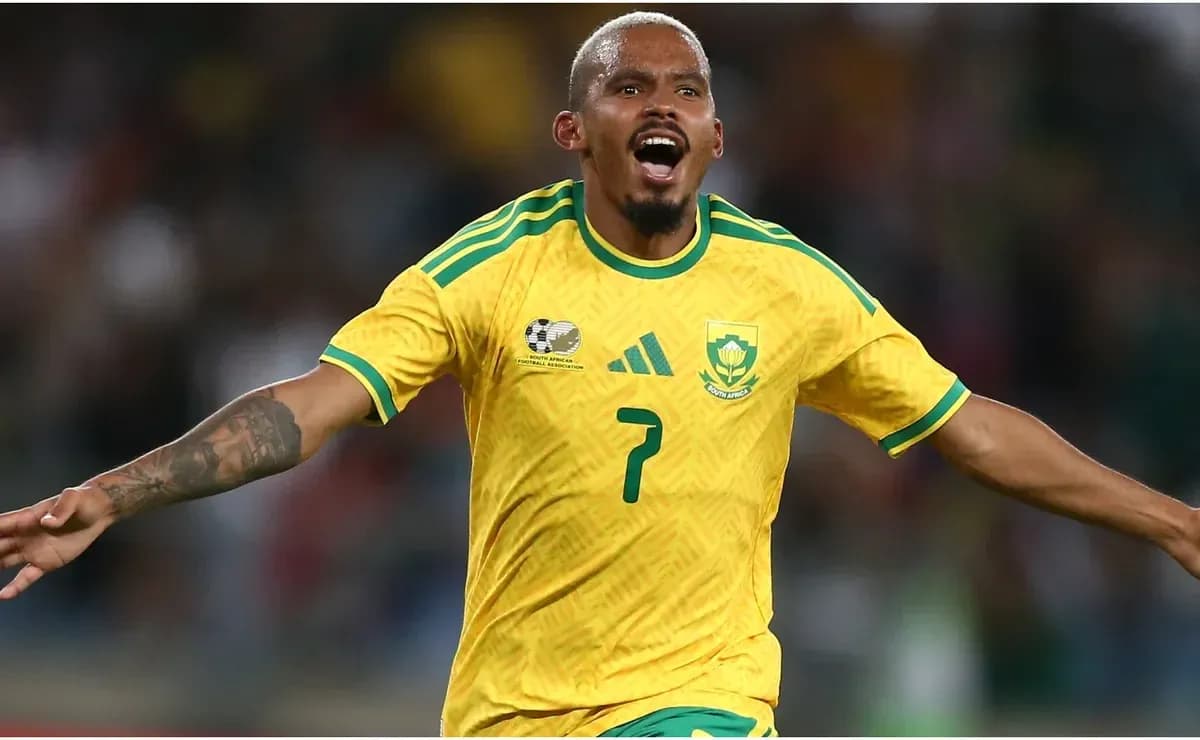
Bafana Bafana Held to Goalless Draw Against Nicaragua Ahead of World Cup
South Africa wanted rhythm, reassurance and a clean, confident step toward the 2026 World Cup. They walked away from the Orlando Amstel Arena with a goalless draw, a missed penalty, and more questions than answers.
Against a Nicaragua side that will watch the tournament from home, Bafana Bafana dominated the ball, the territory, and the shot count. They did everything but score. Nicaragua, led by an inspired Adonis Pineda in goal and a stubborn back line, clung on for a 0-0 that will feel historic in Managua and deeply frustrating in Johannesburg.
A friendly with a World Cup edge
This was billed as a friendly, but for South Africa, it carried the edge of an exam. They are days away from stepping into Group A of the World Cup against Mexico, Czechia, and South Korea. Performances now are supposed to sharpen instincts and build belief.
For 45 minutes, Hugo Broos’ side showed why they will be in North America next year and Nicaragua will not. They were quicker, stronger, and more inventive. The right flank became their runway: first Tshepang Moremi and Kamogelo Sebelebele stretching the game, then full-back Thabang Matuludi joining in to overload the Nicaraguan defense.
On 16 minutes, Sebelebele carved open the right side and whipped in a teasing cross. Themba Zwane, usually so reliable, failed to steer it goalwards. It set the tone: South Africa creating, South Africa missing.
Nicaragua’s response came in flickers. Jonathan Moncada tried from distance on 12 minutes but dragged his effort well wide. Later, a free-kick found his head, only for the attempt to drift weakly past the post. The “Pinoleros” at least showed they could break the press, but they rarely threatened Ricardo Goss.
The penalty that changed the mood
The key moment of the first half arrived on 42 minutes and will linger long in the post‑match analysis.
Sebelebele tumbled in the box under minimal contact and the referee pointed to the spot. Nicaragua’s players swarmed in protest, convinced it was a dive. The decision stood. Up stepped Lyle Foster, the man entrusted to finish the chances that had been going begging.
His run‑up was hesitant, almost stuttering. The shot was worse. Foster smacked it straight against the post. No need for a save; the woodwork did the job. “Justice by the soccer gods,” some would call it. For South Africa, it felt like a warning.
Bafana Bafana went into halftime ahead on everything but the scoreboard. Better athletes, better patterns, more pressure. No punch.
Pineda takes center stage
The second half turned into the Adonis Pineda show.
Both coaches rang the changes at the break. South Africa swapped their goalkeeper, with Sipho Chaine replacing Goss, and refreshed the attack with Oswin Appollis, Thapelo Maseko, Iqraam Rayners, and Relebohile Mofokeng. Nicaragua introduced Oliver Bello and Jefferson Rivera.
The injection of pace from Appollis immediately changed the rhythm. In seven minutes, the Orlando Pirates winger did more damage than South Africa had managed as a unit before the interval. He ran at defenders, twisted past challenges, and forced Pineda into two quick saves early in the half.
The pattern hardened: South Africa pushing, Nicaragua clinging on, Pineda refusing to blink.
On 54 minutes, a seemingly tame South African effort took a wicked deflection and nearly looped over the keeper. Pineda backpedaled, adjusted, and gathered. Moments later, Maseko cut inside and unleashed a powerful strike that again met the same answer: strong hands, safe catch.
The pressure should have broken Nicaragua. Instead, it seemed to energize their goalkeeper.
The double save that sealed it
As the game drifted into a gray, lethargic spell around the 75-minute mark, South Africa still looked like the only team likely to score. Nicaragua offered almost nothing going forward, rarely stringing together moves in the final third. Their plan was simple: stay compact, rely on Pineda, hope for a mistake.
The mistake never came from them. It kept coming from South Africa’s finishing.
On 78 minutes, Mofokeng tried his luck from outside the box, but his shot was weak and wide. Then came the defining moment of the match.
In the 81st minute, a cross caused chaos in the area. A header was deflected toward goal, and Pineda reacted instantly, parrying at close range. The rebound fell invitingly for a second effort, but again the Nicaraguan goalkeeper threw himself in the way. Two saves in a heartbeat, both decisive, both drenched in nerve and timing.
By then, it was clear: this was Pineda’s night.
South Africa kept coming. Another effort slid low and wide on 84 minutes. The clock ticked into stoppage time, six long minutes added. The urgency grew, the composure did not. Crosses flew, shots snatched, heads shook.
The whistle finally went at 90+6. Nicaragua had their 0-0. South Africa had a problem.
Historic for Nicaragua, worrying for Bafana Bafana
For Nicaragua, this result will sit proudly in their modest footballing history. They did not qualify for the 2026 World Cup, but they walked into a World Cup-bound nation’s backyard and walked out unbeaten, their goalkeeper the standout figure.
They showed defensive discipline, commitment in the box, and a shot-stopper in Pineda they can trust. Offensively, they offered almost nothing. It did not matter. The point was the clean sheet, the resistance, the statement that they would not be “trumped” on the international stage this time.
For South Africa, the story is far more complex.
The structure worked. The 4-3-3 gave them width and control. Sithole and Mbatha provided balance, Zwane found pockets, the full-backs advanced, and the substitutes—especially Appollis and Maseko—added speed and unpredictability.
But the World Cup will not reward “almost.” In Group A, Mexico, Czechia, and South Korea will punish wastefulness far more ruthlessly than Nicaragua could dream of.
This was supposed to be a confidence-building exercise. Instead, it turned into a reminder: dominance without goals is just decoration. With the tournament fast approaching, Bafana Bafana must answer a blunt question.
Who is going to put the ball in the net when it really counts?





