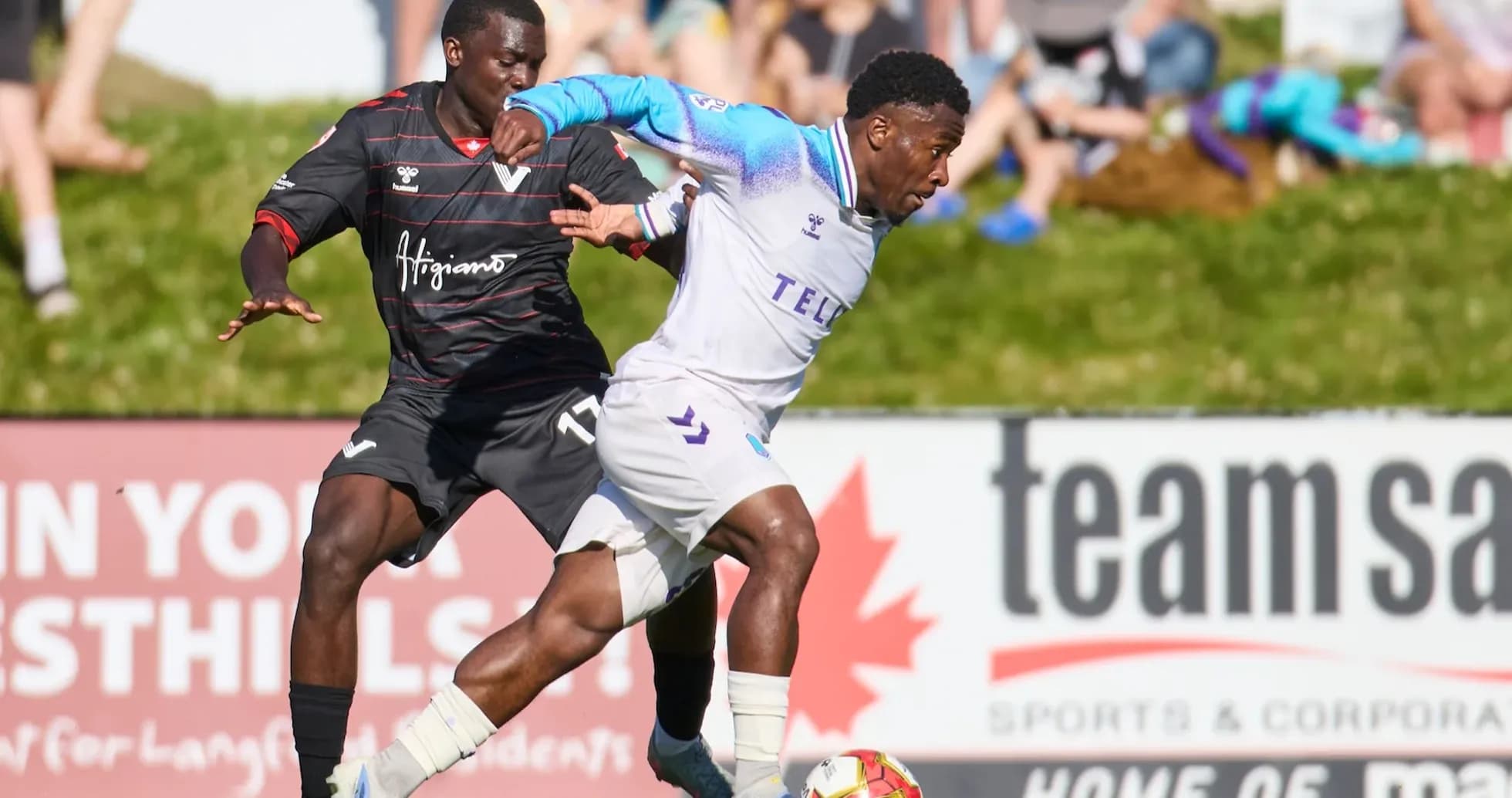
Atlético Ottawa vs Supra du Quebec: Tactical Preview of a Crucial Clash
At TD Place Stadium in Ottawa, a Group Stage fixture in the Canadian Premier League brought together two sides whose seasons have been shaped by contrasting home and away identities. Atlético Ottawa, sitting 3rd with 34 points, have built their campaign on strong home form: at home they have played 12 league matches, winning 7, drawing 3 and losing only 2. They have scored 21 goals at home and conceded 15, giving them a home goal difference of +6, even though overall they sit at −5 because they have conceded 39 and scored 34 in total.
Supra du Quebec arrived from 6th place with 25 points and a more fractured profile. Overall they have 7 wins, 4 draws and 11 defeats from 22 matches, with 31 goals scored and 38 conceded for a goal difference of −7. On their travels, however, they are more dangerous than their league position suggests: away they have played 11 matches, winning 4, drawing 2 and losing 5, scoring 20 and conceding 21. That away goal difference of −1 hints at a side that can trade blows on the road.
The tactical DNA is clear. Atlético Ottawa lean into controlled aggression at home, averaging 1.8 goals scored and 1.3 conceded per home game. Supra du Quebec are an away-side puncher, averaging 1.8 goals scored and 1.9 conceded on their travels. This fixture was always likely to be decided in the spaces between Ottawa’s back four and Supra’s fluid front three.
Tactical Voids and Discipline
There are no explicit absentees listed, so both coaches could lean on their core structures. Gustavo Leal’s choice of a 4-2-3-1 underlined a desire for balance: C. Kalongo in goal behind a back four of Rony Mbomio, Loïc Cloutier, Sergei Kozlovskiy and Joaquim Coulanges, with D. Gutiérrez and T. Arnaud as the double pivot. Ahead of them, G. Antinoro, B. Tabla and E. García supported lone striker N. Fleuriau Chateau.
Supra du Quebec lined up in a 4-3-3 that has underpinned their recent away improvement. J. Milli started in goal, with a back line of Z. Brault-Guillard, C. Auguste, M. Chretien and D. Abzi. In midfield, A. Sissoko and Alessandro Biello flanked creator-in-chief S. Rea, while the front three of L. Kwemi, I. Conde and N. Santos offered pace and direct running.
Discipline loomed large over the narrative. Ottawa, as a team, have a pronounced late-game yellow-card spike: 34.00% of their yellow cards arrive between 76–90 minutes, with a further 18.00% from 91–105. Supra du Quebec share a similar profile, with 20.00% of yellows in the 76–90 window and 14.55% from 91–105. This is a match primed for a chaotic final quarter, where tired legs and stretched distances invite cards and decisive mistakes.
Individually, Supra’s back line carries a disciplinary edge. D. Abzi leads the league’s yellow-card charts with 9 yellows and 1 yellow-red, while centre-back C. Auguste has 7 yellows. M. Chretien adds another 5 yellows and 1 yellow-red. In midfield, A. Sissoko has 5 yellows. For Ottawa, Kozlovskiy and Manuel Aparicio have each collected 6 yellows, and G. Antinoro has already seen red once this season. In a game that was always likely to be played on fine margins, these tendencies shape how aggressively each side can defend in the closing stages.
Key Matchups – Hunter vs Shield, Engine Room
The headline duel in attack is “Hunter vs Shield”: Supra’s Loïc Adrien Kwemi against Ottawa’s defence. Kwemi has 6 goals in total this season from 20 appearances, with 28 shots and 16 on target. He is efficient, direct and comfortable leading the line in transition. Ottawa, by contrast, have conceded 39 goals overall, an average of 1.7 per match, and a worrying 2.2 per game away from home. At TD Place they are tighter, conceding 1.3 per home match, but Kwemi’s profile – 59 dribble attempts with 28 successes, plus 13 key passes – is exactly the kind that can trouble a back four that likes to step high.
On the other side, Ottawa’s attacking “hunter” is Ballou Tabla. He has 5 goals and 1 assist, with 19 shots and 13 on target, and draws fouls frequently (26 drawn) as he drives between the lines. He faces a Supra defence that concedes 1.9 goals per game away. Yet that same defence is stacked with ball-playing and combative profiles: Chretien has completed 711 passes at 89% accuracy and blocked 11 shots, while Auguste has 27 tackles and 18 interceptions. If Supra’s back line holds its nerve, they can funnel Tabla into crowded zones and force Ottawa to shoot from distance.
In the “engine room”, the duel between creators and enforcers is even more intriguing. For Supra, Sean Rea is the orchestrator: 2 goals, 3 assists, 37 key passes and 512 completed passes at 85% accuracy. He operates as the conduit between midfield and the front three, and his ability to find Kwemi and Conde early is crucial to Supra’s away threat.
Ottawa counter with a collective rather than a single dominant playmaker. Aparicio’s 671 passes and 11 key passes, Antinoro’s 14 key passes and dribbling volume, and Coulanges’ 322 passes and 7 key passes form a rotating creative axis. Behind them, Gutiérrez and Arnaud are tasked with screening Rea, stepping out to disrupt his rhythm while still protecting the half-spaces against Supra’s inside forwards.
Statistical Prognosis
Heading into this game, the numbers pointed toward an open contest. Ottawa average 1.5 goals scored and 1.7 conceded overall, while Supra sit at 1.4 scored and 1.7 conceded. Ottawa’s penalty record is a concern: in total this campaign they have earned 4 penalties, scoring 2 and missing 2, a 50.00% conversion rate that undercuts their attacking efficiency. Supra, by contrast, are perfect from the spot so far, scoring all 4 of their penalties and missing none.
Defensive solidity marginally favours Ottawa at home, but Supra’s away scoring rate and their individual quality in transition – Kwemi’s finishing, Rea’s passing, Conde’s movement – tilt the attacking balance. Add in Supra’s late-game card profile and Ottawa’s own tendency to collect yellows in the final quarter, and the statistical picture is of a match decided by who manages the chaos better between 76–90 minutes.
On paper, Ottawa’s structure and home record should give them a slight edge. But Supra’s sharper penalty record, their away scoring rate of 1.8 goals per game and the individual form of Rea and Kwemi suggest that any tactical preview must leave room for the visitors to tilt the narrative, especially if the game opens up late and discipline frays.