Atlético Ottawa vs Pacific FC: A Goalless Encounter of Football Identities
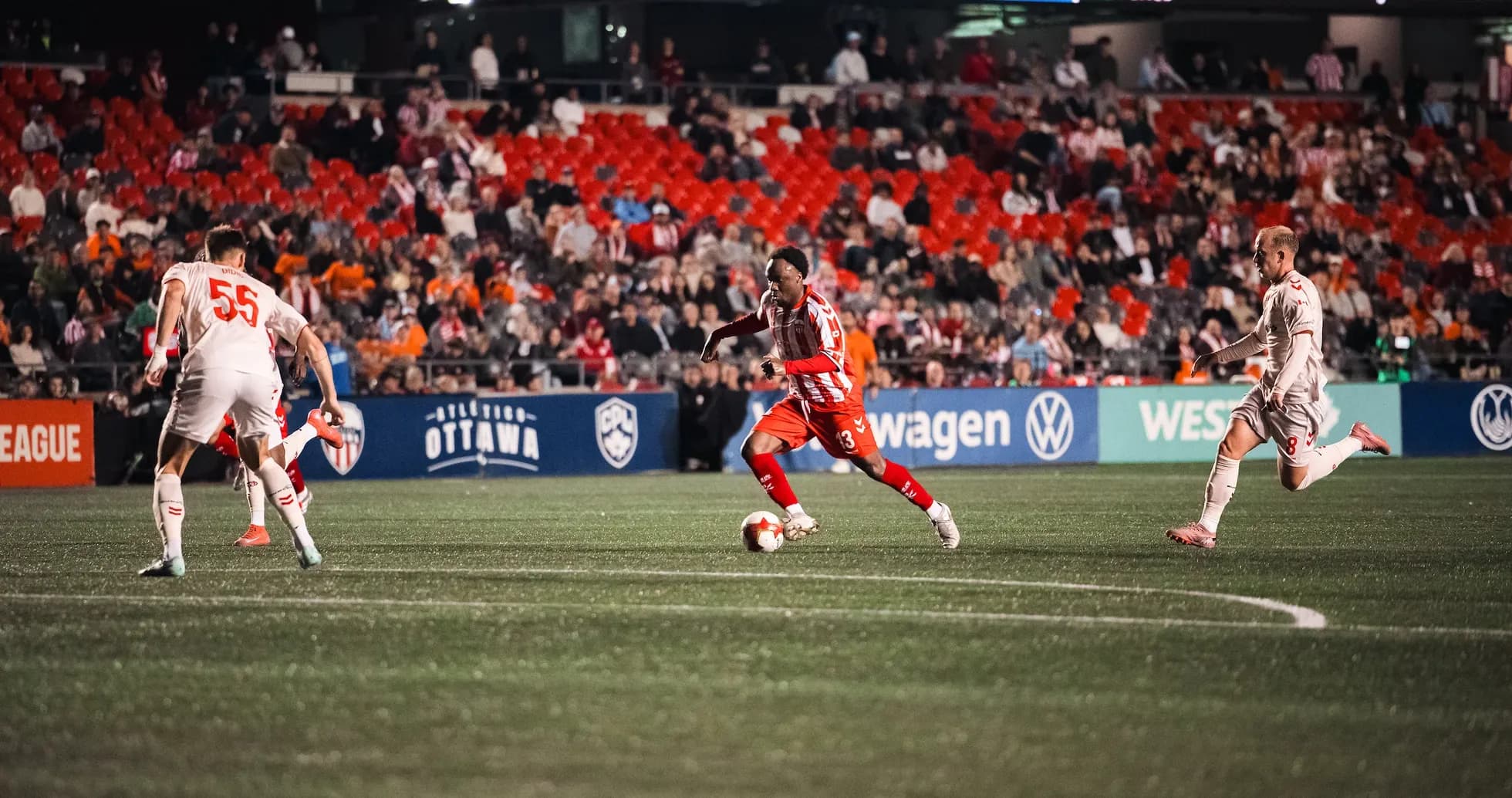
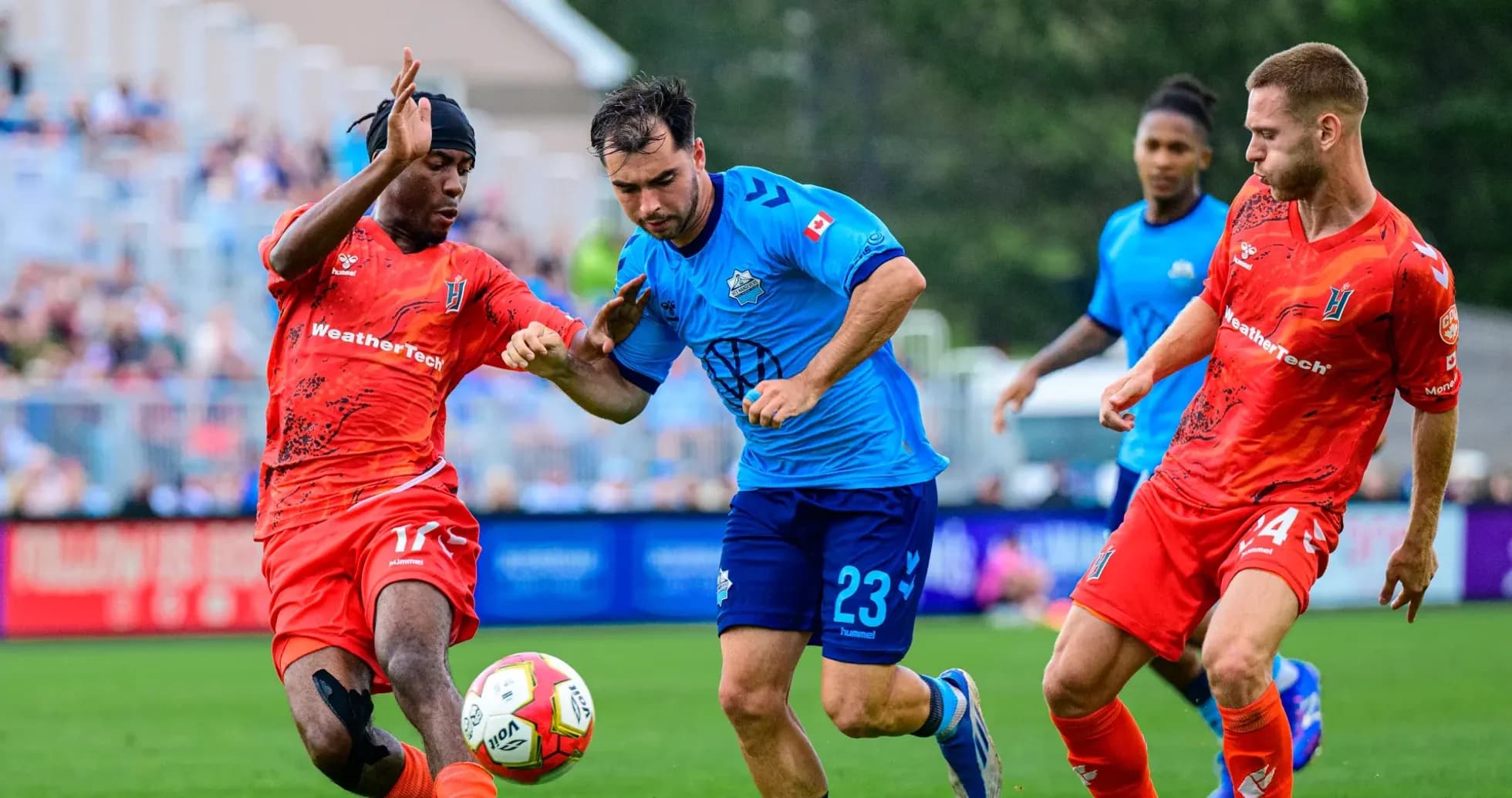
Under the lights at TD Place Stadium, a goalless draw between Atlético Ottawa and Pacific FC felt less like a stalemate and more like a study in contrasting football identities. In the Canadian Premier League’s Group Stage, third against eighth ended 0–0, but the underlying numbers and roles on the pitch told a far richer story.
Atlético Ottawa came into the night as a side defined by late surges and home authority. Overall this campaign they had scored 34 and conceded 34, a perfectly balanced goal difference of 0 across 21 matches. At home, though, they had been a different animal: 7 wins from 11, 21 goals scored and just 13 conceded, averaging 1.9 goals for and 1.2 against at TD Place. Their seasonal DNA is that of a team that grows into games; 42.86% of their goals overall had arrived between 76–90 minutes, backed by another 22.86% between 61–75. This is a side that believes matches are won in the final quarter.
Pacific FC, by contrast, travelled as the league’s struggler-in-chief. Bottom of the table in eighth with 9 points from 19 matches, they had only 1 win overall, with 22 goals for and 39 against, a goal difference of -17. On their travels they had yet to win: 0 victories, 4 draws and 5 defeats, scoring 9 and conceding 19, an away average of 1.0 goal for and 2.1 against. Their season has been shaped by collapse late on; 38.89% of the goals they conceded overall had come in the 76–90 minute window, with another 27.78% between 46–60. On paper, this fixture pitted Ottawa’s late-game punch against Pacific’s late-game frailty.
Ottawa's Setup
Gustavo Leal set Ottawa up in a 4-2-3-1 that underlined that identity. C. Kalongo anchored the side in goal behind a back four of J. Assi, J. Dunn-Johnson, Loïc Cloutier and D. Aguilar. The double pivot of M. Aparicio and T. Arnaud offered balance: Aparicio, the league’s yellow-card magnet with 5 bookings, patrolled aggressively, while Arnaud provided circulation. Ahead of them, a fluid band of three – K. Habibullah, B. Tabla and G. Antinoro – worked between the lines, feeding lone forward N. Fleuriau Chateau.
The front four encapsulate Ottawa’s threat profile. Tabla entered as one of the league’s standout attackers: 5 goals and 1 assist overall from 21 appearances, with 18 shots (12 on target) and 22 dribble attempts, 10 successful. His 7.05 rating speaks to a player who can both finish and progress play. On the opposite flank, Antinoro brought a more vertical, risk-taking flavour: 43 dribble attempts overall with 20 successes, plus 12 key passes and 4 successful blocks. He is also the emotional livewire, having already seen red once this season.
Fleuriau Chateau, leading the line, is Ottawa’s emerging weapon. Overall he had 3 goals and 2 assists from just 278 minutes, with 11 shots (6 on target) and a 7.17 rating – a ruthless output profile that explains why he was trusted as the reference point. Habibullah, meanwhile, arrived as a creative connector: 3 assists from limited minutes, 86% passing accuracy and 4 interceptions, a tidy technician who links midfield to attack.
Behind them, Aparicio’s 25 tackles, 4 blocks and 19 interceptions overall underline his role as the side’s enforcer. His 5 yellow cards make him a disciplinary risk, but also the shield that allows the attacking four to stay high and aggressive, especially in Ottawa’s preferred late surges.
Pacific's Strategy
Pacific’s 3-4-3 under T. Dunfield presented a different kind of puzzle. S. Melvin started in goal behind a back three of J. Quintana, D. Konincks and C. Greco-Taylor. The wing-backs K. Chung and Y. R. Toualy stretched the pitch, with R. Juhmi and L. Browning-Lagerfeldt forming the central axis. Up front, a mobile trio of M. Bustos, R. Kratt and A. Daniels looked to interchange and drag Ottawa’s back four into uncomfortable zones.
If Ottawa’s key figure is Tabla, Pacific’s defensive heartbeat is Konincks. Overall he had 3 goals and 1 assist from the back, but his primary value lies in control: 511 passes at 90% accuracy, 17 interceptions, 4 blocks and 37 duels won from 61 contested. He is the organiser of Pacific’s low block, the man tasked with reading Tabla’s movements between the lines and dealing with Fleuriau Chateau’s runs in behind.
Ahead of him, Juhmi is the midfield counterpart to Aparicio: 18 tackles and 7 interceptions overall, 365 passes at 87% accuracy, but also 5 yellow cards. He is Pacific’s main disruptor, responsible for breaking Ottawa’s rhythm before the ball reaches the three attacking midfielders. Alongside him, Toualy brings incision: 4 assists overall, 7 key passes and 26 dribble attempts with 17 successes, a high-volume carrier who can turn Pacific’s rare turnovers into genuine counters.
Match Analysis
The “Hunter vs Shield” duel was written clearly: Ottawa’s late scoring profile, led by Tabla and Fleuriau Chateau, against a Pacific defence that concedes heavily after the hour. Ottawa’s goals overall cluster overwhelmingly in the final 30 minutes, while Pacific’s defensive numbers nosedive in exactly the same period. Every metric suggested that if Ottawa could keep the game tight, their home average of 1.9 goals and Pacific’s tendency to concede 2.1 away would eventually tilt the night their way.
In midfield, the “Engine Room” battle between Aparicio and Juhmi promised edge and attrition. Both are high-card, high-duel players, and in a league where yellow cards spike late – Ottawa’s bookings peak at 36.96% between 76–90 minutes, Pacific’s at 22.22% between 91–105 – discipline was always likely to shape the closing stages. Ottawa’s season-long red for Antinoro and Pacific’s cluster of reds for J. Heard, Quintana and Bustos hint at a combustible undercurrent.
From a statistical prognosis, everything pointed towards a narrow Ottawa win: stronger home record, superior late-game scoring, and Pacific’s chronic vulnerability in the final quarter. Ottawa’s penalty record – 4 awarded overall, with 2 scored and 2 missed – warned against assuming clinical finishing, but their volume of late pressure usually forces chances. Pacific’s perfect penalty conversion overall (2 from 2) shows technical quality, yet their problem has never been execution from the spot; it has been surviving long enough to earn those moments.
That the match finished 0–0 therefore reflects less a flaw in the underlying logic and more a story of execution on the night. Ottawa’s familiar late-wave blueprint met a Pacific side that, for once, held its nerve in the very phase where it usually unravels. The numbers still sketch the same tactical truth: Ottawa remain a late-surging, front-foot home side with multiple creative hubs, while Pacific are a fragile but occasionally resilient underdog whose fate hinges on whether Konincks, Juhmi and Toualy can keep the dam from breaking in those decisive final minutes.