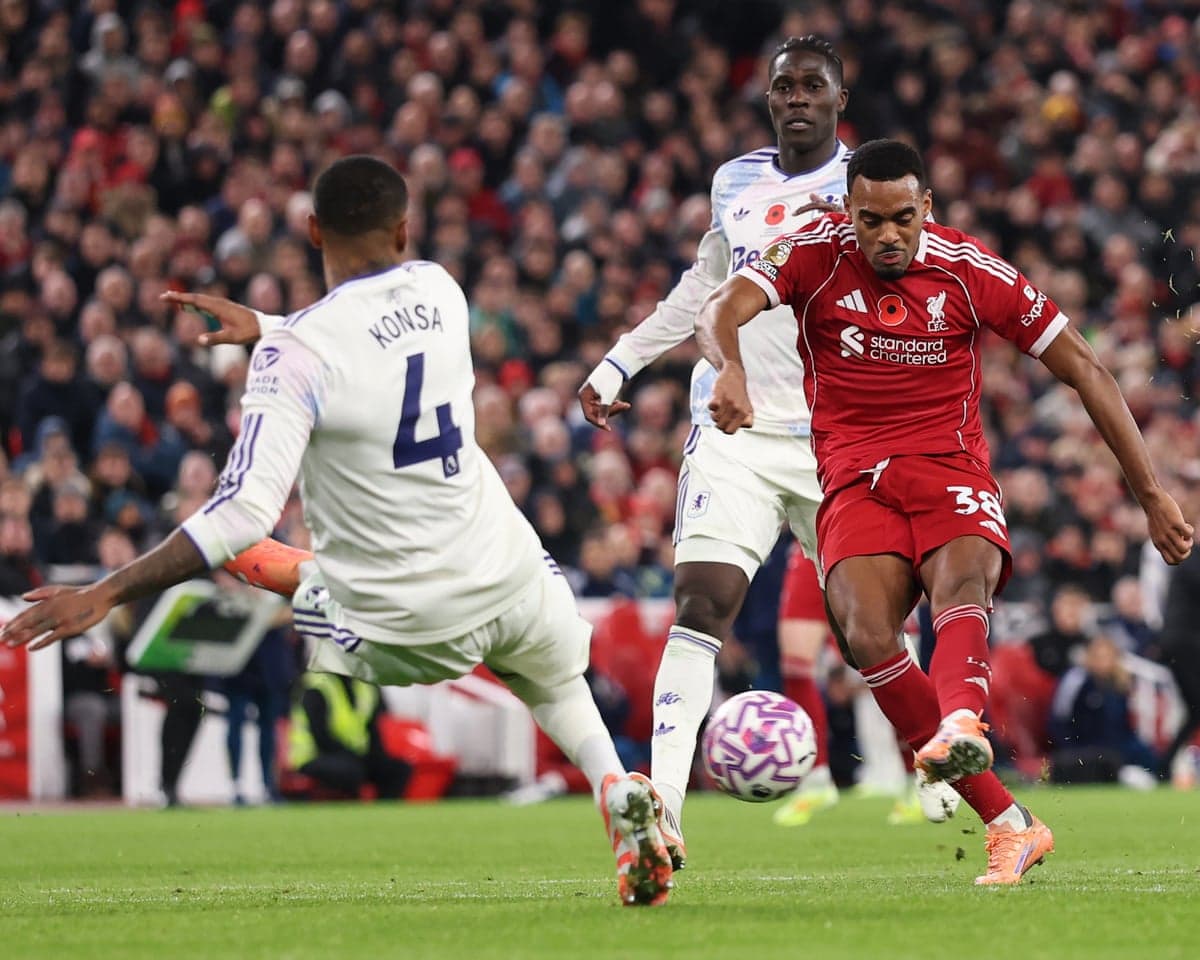
Aston Villa 4–2 Liverpool: Key Moments and Tactical Insights
Aston Villa 4–2 Liverpool at Villa Park, a result that tightens Villa’s grip on a top‑four finish and keeps them fourth in the Premier League table. Coming into the night on 62 points, Unai Emery’s side move to 65 and open up a six‑point cushion over fifth‑placed Liverpool, whose late goal only trims the scoreline rather than the damage to their Champions League ambitions.
A fractious first half finally ignited on 39 minutes when Matty Cash went into the book for a foul, a sign of Villa’s willingness to disrupt Liverpool’s rhythm. Three minutes later, the hosts struck: in the 42nd minute M. Rogers finished a flowing move, converting from a cross by L. Digne to give Villa a 1–0 lead. Deep into first‑half stoppage time, at 45+3', Ollie Watkins was shown a yellow card for time wasting as Villa looked to protect their advantage into the interval.
Emery adjusted immediately after the restart. At 46', R. Barkley replaced V. Lindelof, a like‑for‑like change in midfield intended to give Villa more control in possession and progression through the lines.
Liverpool responded on 52 minutes with a set‑piece‑style equaliser: V. van Dijk rose to score, assisted by D. Szoboszlai, making it 1–1 and briefly tilting momentum towards Arne Slot’s side. Villa, however, hit back quickly. In the 57th minute, Watkins restored the lead, finishing clinically after being set up by M. Rogers to make it 2–1.
The tempo remained high and the disciplinary count ticked up. On 62 minutes, Joe Gomez received a yellow card for a foul as Liverpool pushed higher and left space to defend in transition. Four minutes later, in the 66th minute, John McGinn was also booked for a foul, reflecting the increasingly combative midfield battle.
Slot turned to his bench at that same 66‑minute mark with a double change to chase the game. F. Chiesa replaced J. Gomez, adding attacking thrust from wide areas, while F. Wirtz came on for R. Gravenberch to inject creativity between the lines.
Villa struck what looked like a decisive blow in the 73rd minute. Watkins, now finding pockets behind Liverpool’s back line, scored again with a solo effort, an unassisted strike that stretched the lead to 3–1 and exposed Liverpool’s defensive looseness in transition.
At 74', Liverpool made another attacking substitution as M. Salah replaced C. Gakpo, further loading the front line in search of a route back into the contest. Emery, by contrast, moved to lock things down late on. In the 85th minute, I. Maatsen replaced E. Buendia, adding fresh legs and defensive security on the flank.
Villa then added a fourth in the 89th minute, the product of their increasingly ruthless counter‑attacking. John McGinn arrived to score, assisted by Watkins, for 4–1, a goal that underlined Villa’s efficiency whenever they broke Liverpool’s press.
As the clock hit 90', Emery made two rapid substitutions to see the game out: Douglas Luiz replaced Y. Tielemans to reinforce midfield structure, and J. Sancho came on for McGinn, offering ball retention higher up the pitch.
There was still time for Liverpool to pull one back. Also on 90 minutes, V. van Dijk grabbed his second of the night, again assisted by D. Szoboszlai, making it 4–2. It was a consolation that reflected Liverpool’s persistent threat from deliveries but came too late to alter the outcome.
Fixture Statistics & Tactical Audit
- xG (Expected Goals): Aston Villa 1.91 vs Liverpool 1.55
- Possession: Aston Villa 45% vs Liverpool 55%
- Shots on Target: Aston Villa 9 vs Liverpool 5
- Goalkeeper Saves: Aston Villa 3 vs Liverpool 5
- Blocked Shots: Aston Villa 3 vs Liverpool 3
The underlying numbers suggest a relatively balanced contest, with Villa edging xG (1.91 vs 1.55) and Liverpool controlling more of the ball (55% possession vs 45%). Villa’s attack was notably efficient, turning 9 shots on target into 4 goals (clinical finishing, 4 goals from 1.91 xG and 9 shots on target), while Liverpool were less ruthless, scoring 2 from 5 shots on target and 1.55 xG. Liverpool’s higher possession and shot volume (16 total shots vs Villa’s 14) point to territorial dominance, but Villa’s structure in a 4‑2‑3‑1 allowed them to absorb pressure and break with purpose, repeatedly exploiting the space behind Liverpool’s advanced full‑backs. The fact that Liverpool’s keeper made 5 saves to Villa’s 3 underlines how often Villa created clear, goalbound chances despite having less of the ball.
Standings Update & Seasonal Impact
For Aston Villa, this victory adds three points to their pre‑match tally of 62, moving them to 65 points. They came in with 54 goals for and 48 against (goal difference +6); scoring 4 and conceding 2 shifts those totals to 58 goals for and 50 against, improving their goal difference to +8. They remain fourth in the Premier League, now six points clear of Liverpool and strengthening their position in the Champions League race with one round remaining.
Liverpool started the night on 59 points, and defeat keeps them there, still on 59. Their goals for rise from 62 to 64, while goals against move from 52 to 56, cutting their goal difference from +10 to +8. They stay fifth, but the gap to Villa in the battle for a higher Champions League seeding widens to six points, effectively ending their hopes of overhauling Emery’s side in the final week.
Lineups & Personnel
Aston Villa Actual XI
- GK: E. Martinez
- DF: M. Cash, E. Konsa, P. Torres, L. Digne
- MF: V. Lindelof, Y. Tielemans, J. McGinn, M. Rogers, E. Buendia
- FW: O. Watkins
Liverpool Actual XI
- GK: G. Mamardashvili
- DF: J. Gomez, I. Konate, V. van Dijk, M. Kerkez
- MF: R. Gravenberch, A. Mac Allister, C. Jones, D. Szoboszlai, R. Ngumoha
- FW: C. Gakpo
Expert's Post-Match Verdict
Emery’s game plan was a model of pragmatic, high‑impact football. Villa were content to concede possession (45% vs 55%) but set pressing traps and sprang forward quickly once they won the ball, translating relatively modest shot volume into high‑quality chances (1.91 xG from 14 shots and 9 on target). Their forwards and attacking midfielders were ruthless in key moments (clinical finishing, 4 goals from 1.91 xG), with the Watkins–Rogers–McGinn triangle repeatedly exploiting Liverpool’s stretched defensive shape.
For Arne Slot, this was a cautionary tale about balance. Liverpool’s structure produced territorial dominance and more attempts (16 shots, 55% possession), and their set‑piece threat through V. van Dijk and D. Szoboszlai was evident in both goals. However, the high defensive line and aggressive full‑back positioning left them vulnerable to Villa’s transitions, and they allowed too many clear looks at goal (conceding 9 shots on target and 4 goals from 1.91 xG, a defensive collapse relative to their control of the ball). In the end, Villa’s sharper execution in both boxes, rather than Liverpool’s possession, defined the contest and the wider Champions League picture.