Arsenal's Win Sparks Controversy Over Refereeing Standards
Arsenal’s 2-0 win at the Stadium of Light should have been a routine early-season marker. Instead, it turned into another flashpoint in the Premier League’s running battle over refereeing standards – and a night when Mikel Arteta made it abundantly clear he intends to shape that fight.
The game was still locked at 0-0 when the key moment arrived. From a Sunderland corner, Ezri Konsa and Dan Ballard tangled in the box, arms locked in the kind of wrestling match that happens dozens of times a weekend. Referee Stuart Attwell pointed straight to the spot, ruling Konsa had gone too far.
VAR checked it. The decision stood.
Arsenal went on to win, the scoreline ultimately comfortable. The anger was anything but. Arteta emerged after full-time and tore into the call, labelling the penalty “unacceptable” and turning what might have been a footnote into the headline.
If that sounded calculated, Jamie Carragher is convinced it was.
On Sky Sports’ Monday Night Football, the former Liverpool defender drew a direct line from Arteta’s fury to two of the most powerful figures English football has ever seen in a dugout.
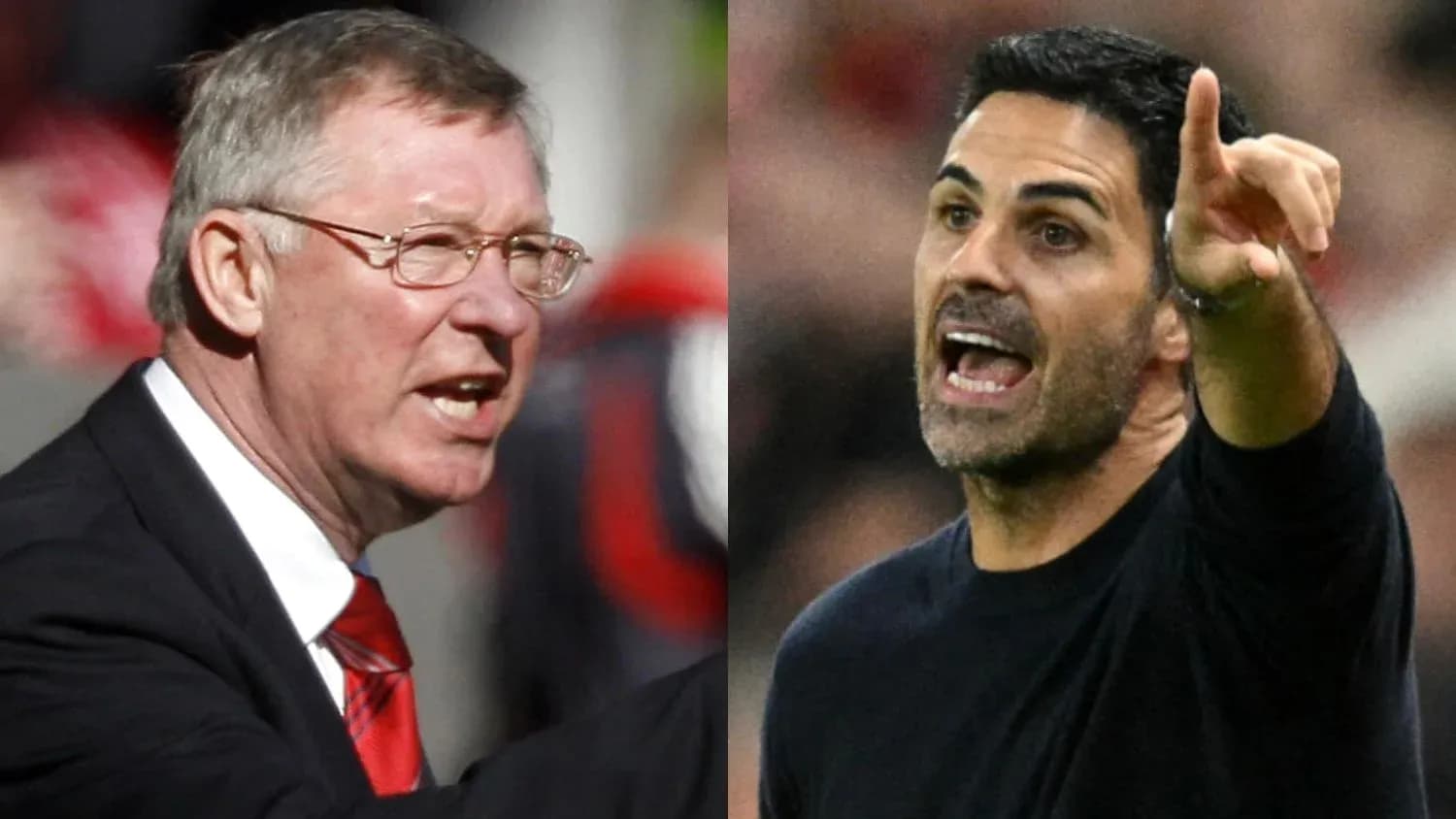
This was Mikel Arteta becoming the Sir Alex Ferguson of the Premier League right now,” Carragher said. “He’s the don at the moment; he’s the Premier League champion. A lot of new managers about... he’s been in his role for six or seven years, and he feels he’s in a position of power to say, ‘Yeah, it wasn’t a penalty.’ And I don’t think it was a penalty.
The comparison was no throwaway soundbite. Carragher argued that Arteta used his media duties as a deliberate platform, steering every question back to the Konsa incident, refusing to let the subject drop.
“One of the journalists made a point about, no matter what question you asked him, he kept going back to the penalty, so he was determined to get the narrative out that this won’t happen again to his club,” Carragher added. “But that’s a manager – we’ve seen it with Sir Alex Ferguson, we’ve seen it with Jose Mourinho.”
This is no isolated complaint from the Arsenal manager. His outburst lands in the middle of a growing storm around Pro Ref, English football’s refereeing body, and a weekend that has exposed officials to intense scrutiny.
Arsenal are expected to escalate the matter formally, demanding clarity over why Konsa’s challenge on Ballard met the threshold for a spot-kick. The club’s frustration feeds into a wider sense of distrust over consistency, particularly with VAR backing Attwell’s original decision.
Carragher believes that is exactly the point. In his view, Arteta is playing a longer game, applying pressure now in the hope that the next 50–50 call in Arsenal’s box tilts the other way.
“It’d be interesting to see how long it takes for another referee to give a penalty against Arsenal in a similar situation,” he said, suggesting the Spaniard’s words were aimed as much at future officials as at Sunday’s.
The timing could hardly be worse for Pro Ref. The Sunderland-Arsenal flashpoint came hot on the heels of a damaging admission from the Manchester derby. Officials accepted that Enzo Fernandez had been offside in the build-up to Erling Haaland’s decisive goal, a “glaring error” that forced the governing body to stand down the VAR team involved for the next round of fixtures.
One weekend. Two high-profile controversies. A refereeing body under siege from all angles.
Inside that storm, Arteta now has to drag the conversation back to football. The schedule will not slow down for any grievance, however justified he feels.
Arsenal welcome Ipswich Town to the Emirates in the Carabao Cup on Tuesday night. It is a chance to rotate, to give minutes to squad players, to keep the legs fresh while trying to extend a winning run that already has the champions setting the pace.
Then comes a far trickier assignment: a trip to Brighton in the league. The Amex has unsettled plenty of title contenders in recent seasons. Arteta knows that to preserve a perfect start, his players cannot afford to carry the refereeing row onto the pitch.
He has made his point. Loudly. Publicly. Forcefully.
The question now is whether that echo lingers longer in the heads of his own players or in the minds of the next referee staring at a tangle of bodies in the Arsenal penalty area.