Arsenal's Summer Reset After Champions League Heartbreak
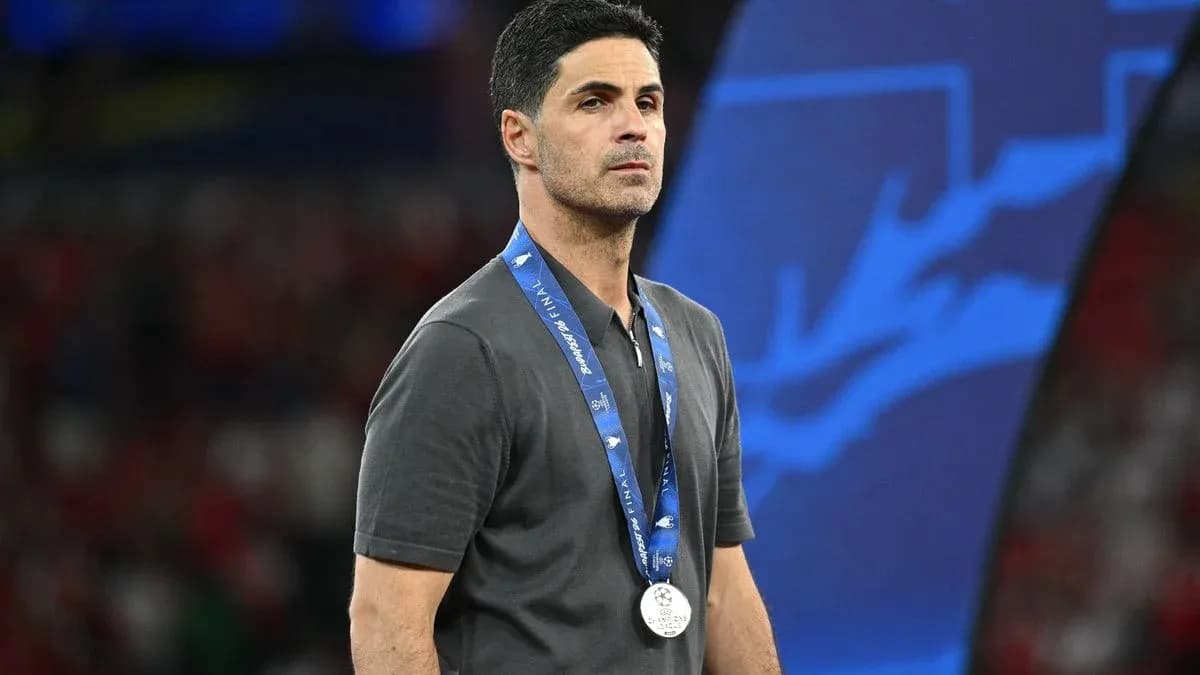
The pain is still raw. Arsenal had one hand on the biggest prize in European football in Budapest, only to see it slip away on penalties to Paris Saint-Germain. Twenty years after their first Champions League final ended in defeat, history repeated itself – and Mikel Arteta walked down the tunnel knowing this cannot be the peak of his project.
The response will be unforgiving. And expensive.
From agony in Budapest to an aggressive rebuild
Arsenal’s season has been historic. A first Premier League title in 22 years, a squad that has grown into a relentless, pressing machine, and a fanbase that dared to believe the club had returned to the elite for good.
Yet Saturday night cut deep. A 1-1 draw after extra-time, a shootout decided by fine margins, and two of last summer’s marquee signings – Eberechi Eze and Victor Gyokeres – watching the decisive moments from the bench before both failed to make the difference from the spot. Eze missed in the shootout. Gabriel did too. The chance was gone.
Arteta’s verdict was blunt: this team must go “to another level”. That is not a slogan. It is a transfer strategy.
Arteta’s shopping list: firepower and control
The plan is clear. Arsenal want a left winger. A centre-forward. A right-back. A new midfielder who can operate as both a six and an eight. Four key positions, four big calls.
The number nine role sits at the heart of it. Speaking on TNT Sports, The Athletic’s David Ornstein underlined just how live that conversation is inside the club. Gyokeres, signed last summer and instrumental in reaching the final, started on the bench in Budapest as Kai Havertz was trusted to lead the line and scored Arsenal’s only goal.
That selection said plenty. Arteta wants a striker who can finish chances, link play and dominate big games on the very biggest nights. The debate over who that should be will define Arsenal’s summer.
Out wide on the left, the club have been tracking options for several years. This is expected to be the window where they finally act. The priority is a player who can stretch defences, beat opponents one-on-one and offer a consistent goal threat, giving Arsenal a different profile to what they currently have.
In midfield, the brief is for a hybrid operator: a player comfortable anchoring the build-up as a six but dynamic enough to step forward as an eight. Someone who can control tempo and still carry the ball through pressure. Arteta wants more variety and more authority in that area of the pitch.
Right-back is on the agenda as well. Arsenal want greater athleticism and flexibility down that flank, a defender who can both invert into midfield and defend the wide channel aggressively when required.
Add it all up and the outlay could rival – or even exceed – last summer’s spending.
Morgan Rogers and the hunt for versatility
Among the names under consideration, Morgan Rogers has emerged as a serious target. The 23-year-old Aston Villa player has attracted interest from several top clubs, and Arsenal are firmly in that pack.
Rogers’ appeal lies in his versatility. He can operate as a left-sided forward, driving inside on his stronger foot, or drop into the No 10 role to link midfield and attack. For a coach like Arteta, who prizes positional flexibility and rotations in the final third, that kind of profile is gold.
Arsenal know they need more unpredictable, multi-functional attackers if they are to consistently break down elite defences in Europe. Rogers fits that idea.
Big decisions on big earners
Ambition has a price. Arsenal have money to spend, but they will not ignore the balance sheet. To fund the next leap, some familiar faces may be moved on.
Gabriel Martinelli, Leandro Trossard, Ben White and Gabriel Jesus are all described as players the club are prepared to listen to offers for. All four have been important at various stages of Arteta’s tenure. All four are also significant earners.
This is where the project hardens. Sentiment has to give way to strategy.
Martinelli, once the symbol of Arsenal’s new era of youthful energy, now faces competition for his place and questions over consistency. Trossard has delivered key goals but turns 30 soon. Ben White has been a mainstay at right-back, yet the club are looking for a different profile in that role. Gabriel Jesus, a leader in the dressing room and a tireless presser, has struggled to provide the ruthless finishing required at the very top level.
Arsenal are not pushing any of them out of the door. But they are open. If the right bids arrive, the squad will be reshaped without hesitation.
Matching words with action
Arteta has not tried to hide the scale of what comes next.
“We start to make some very important decisions if we want to reach another level,” he said in the aftermath of the final. “We’re going to have to show that ambition… very, very ambitious, very fast and very smart.”
Those words set a standard. The club’s hierarchy now have to match them in the market.
Last summer, Arsenal spent heavily to bring in Gyokeres and Eze to sharpen their attack. Both started the Champions League final on the bench. That is not a failure in itself – strong squads demand high-level options – but it underlines the ruthlessness of the environment Arteta is building. Reputation and transfer fee do not guarantee a starting place. Performance in the biggest moments does.
The question now is simple: after conquering England and falling just short in Europe, will Arsenal’s next wave of signings turn heartbreak into a habit of winning on the continent, or will Budapest stand as a warning of how hard the final step really is?