Arsenal's Martinelli: Drama of a Routine Sale
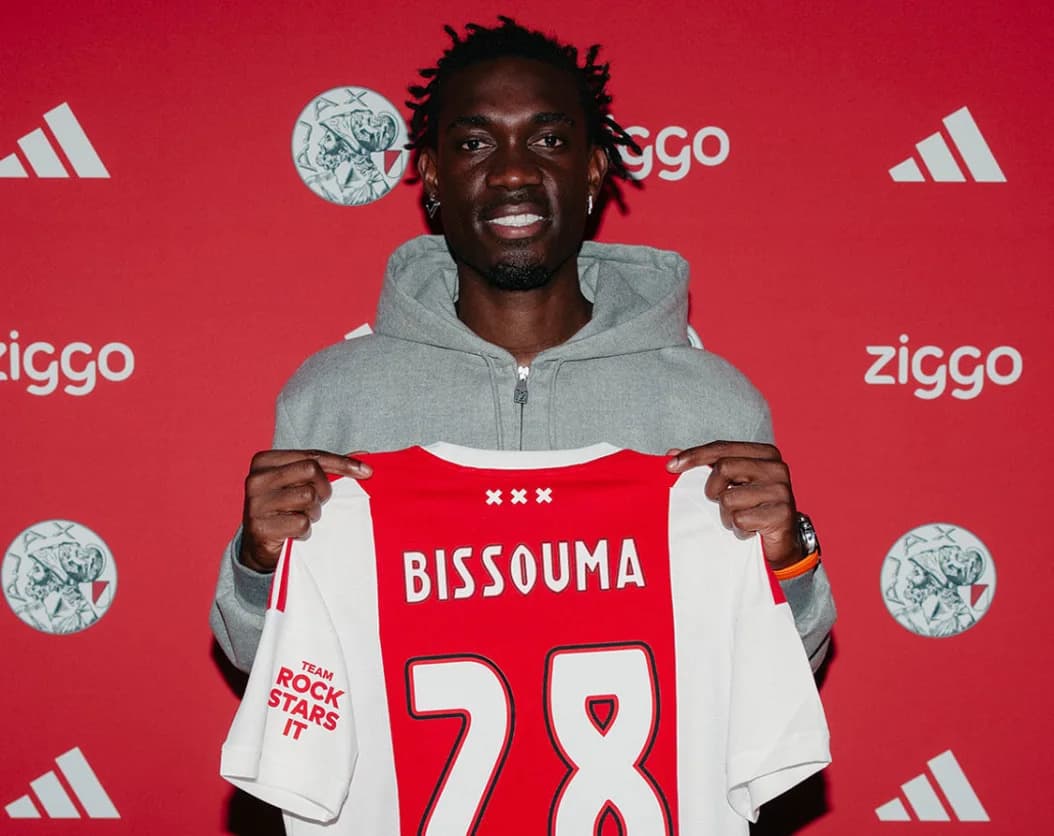
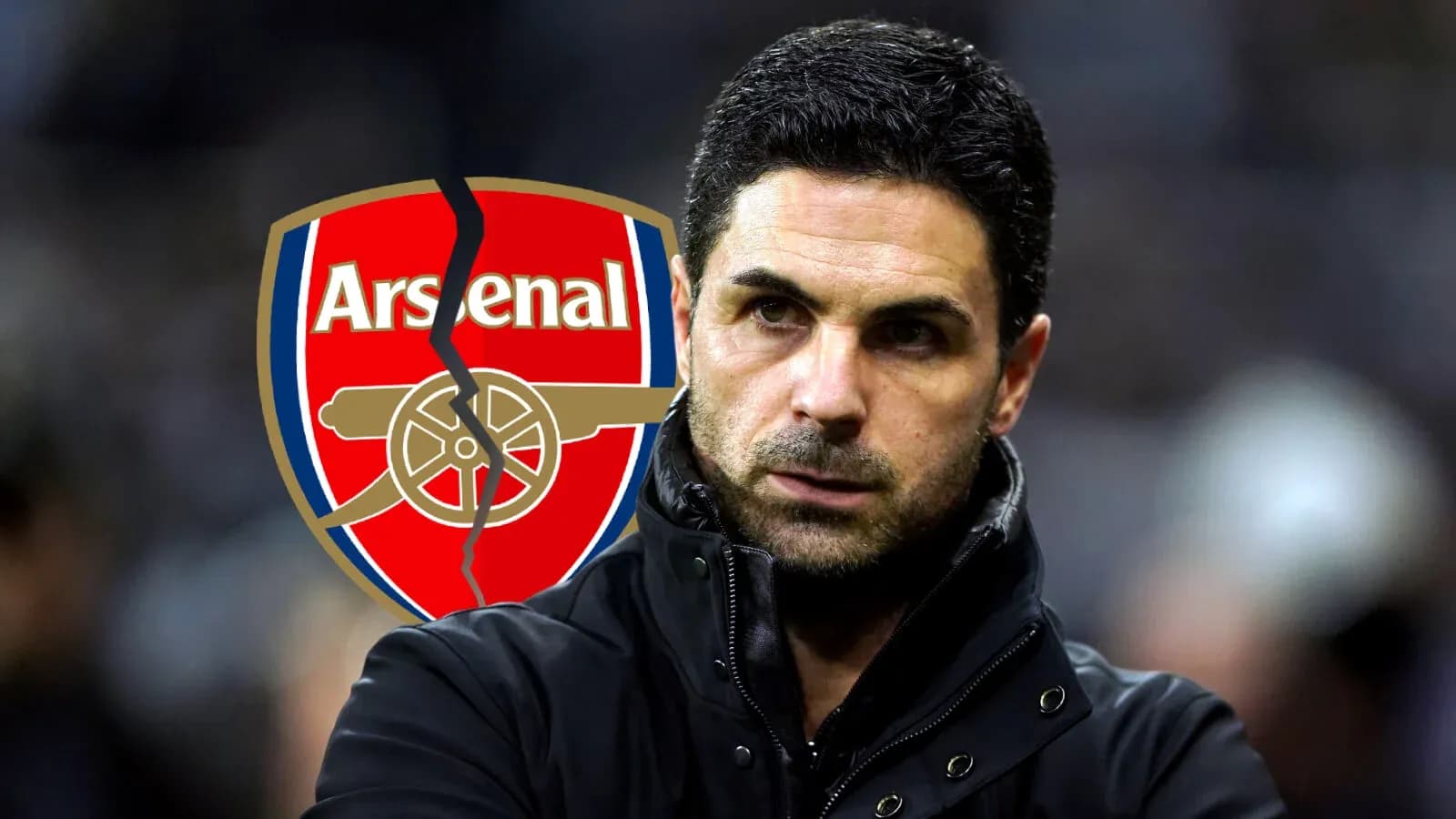
The story goes like this: Mikel Arteta has lost the Arsenal dressing room, Gabriel Martinelli has become a martyr, and the squad are lining up behind him in open revolt.
Except they aren’t. And that matters.
The Martinelli fee that launched a thousand headlines
Martinelli’s situation is simple enough. Arsenal are prepared to sell. Al-Hilal are circling, the fee talked about is in the £40–50m range, and a player who scored one goal and produced four assists last season is suddenly the centre of a supposed crisis.
John Cross, in the Daily Mirror, framed it as a value question for the Gunners:
“Why on earth have they not been able to get better value on Martinelli? If Savinho goes to Tottenham in an £85m deal, why is Martinelli cheaper? The £50m price just does not seem enough.”
On the face of it, that sounds like a fair challenge. But context kills the outrage.
Savinho’s £85m fee is heavily shaped by the deliberately undervalued Omar Marmoush deal that preceded it. It’s part of a broader trading structure rather than a clean, market-only valuation.
Martinelli, by contrast, is coming off a flat season. One goal, four assists. The wrong kind of “impressive” for a title-winning side. His contract is effectively entering its final stretch: a year left plus an option for another 12 months. That is not a position of maximum leverage, even for a club as well-run as Arsenal.
Put all that together and £50m starts to look less like a mistake and more like a fairly reasonable outcome. Chelsea or Manchester City might squeeze a bigger number out of a similar profile of player. They’ve built entire departments around that kind of trading. Arsenal haven’t, at least not to the same degree.
“This is a player whose stats measure up against the likes of Yildiz,” one line of argument runs.
Only they don’t, not really. Kenan Yildiz is four years younger and finished last season with 10 Serie A goals and seven assists. That’s a different conversation entirely.
And then there’s the most basic question of all, posed and answered in the same breath:
“Martinelli has pace, is dangerous but has he really kicked on in the past two seasons?”
No. So £50m it is.
Dressing-room revolt? Not quite
Where the story really took off was not the fee, but the supposed fallout.
“Gabriel Martinelli has Arsenal stars on his side after being pushed out by Mikel Arteta,” ran the Daily Mirror website.
“Arsenal stars ‘side with Gabriel Martinelli’ as Mikel Arteta tries to force him out,” added the Daily Star.
“Arsenal squad ‘unhappy’ with Mikel Arteta as Gabriel Martinelli nears £40m Al-Hilal transfer,” claimed Goal.
Three outlets, one source: ESPN Brasil. And that source? A single translated paragraph, with the key line reduced to a dozen words:
“At the start of this season, the Brazilian wasn’t even included in Arsenal’s matchday squad and didn’t even receive a medal for winning the English Super Cup after beating Manchester City 3-0, something that even caused some discomfort among other players in the team.”
That’s it. “Some discomfort” among teammates that Martinelli was left out and didn’t receive a medal in the Community Shield equivalent. Perfectly human. Barely news.
From that sliver of information, we somehow arrive at “squad unhappy” and “side with Martinelli” in loaded quotation marks, as if there’s been a formal declaration of internal opposition.
Strip away the spin and what’s left is mundane: a player of seven years is being eased out ahead of a sale. His friends in the squad aren’t thrilled. Of course they aren’t. It would be far more alarming if Gabriel Magalhaes and Declan Rice were delighted to see him frozen out.
Sympathy is not mutiny. It’s just what happens in a dressing room when a familiar face edges towards the exit.
The Alvarez “condition” that isn’t
While the Martinelli noise crackled away, another Arsenal story surfaced on the Daily Mirror website:
“Mikel Arteta sets one condition for £130m Julian Alvarez transfer as Arsenal plan emerges.”
One condition. For £130m. It sounds dramatic, until you read it:
“Mikel Arteta is ready to make a £130m push to sign Julian Alvarez – but will demand assurances the Argentina star wants to move to Arsenal.”
So the grand “condition” is that the player actually wants to join. That’s not a condition. That’s the bare minimum for any transfer, let alone one at nine figures.
It’s dressed up as strategy, but it’s really just common sense.
Time-wasting, or trying to win?
Away from north London, the Premier League’s new era of added-time vigilance is already changing touchline behaviour.
Ian Ladyman, writing in the Daily Mail, took aim at Newcastle coach Matthias Jaissle after a late penalty denied his side victory against Liverpool.
Jaissle blamed referee Stuart Attwell for the decision. Ladyman pointed to Lewis Hall’s clear contact on Victor Munoz, and then went further, questioning Jaissle’s own game management:
“Jaissle’s decision to replace Yoane Wissa with Fabian Schar in the last minute of added time was clearly designed to waste some precious moments. But all it did was prompt Attwell to add 30 seconds on and it was after 15 of those that Munoz ran at Hall to win the spot-kick.”
Under new guidelines, players must leave the pitch within 10 seconds of their number going up or risk a booking. The old art of the slow, theatrical substitution is being hunted out of the game.
But was Jaissle really just burning seconds? Or was he also trying to shore up a fragile lead by swapping a forward for a defender in stoppage time? Managers have been doing that for decades, long before the stopwatch became a character in every match report.
The substitution might have been clumsy in this new era of forensic timekeeping. That doesn’t mean it was only about the clock.
United, Baleba and the “plan”
Manchester United, meanwhile, are being credited with transfer foresight.
“Manchester United’s transfer plan has paid off with £45million boost,” claimed the Manchester Evening News, in a piece centred on Carlos Baleba.
The thrust is simple: Baleba might have cost around £115m last summer. This summer, United are expected to land him for about £70m. On paper, that’s a £45m “saving”.
But calling that a “plan” stretches the definition. Not paying a wildly inflated price one year, then still paying an extremely high fee a year later after a season of underperformance, is not exactly textbook long-term strategy.
Especially when the delay means starting the new campaign undercooked, losing to promoted Hull on the opening day, and exposing the legs of Youri Tielemans in midfield.
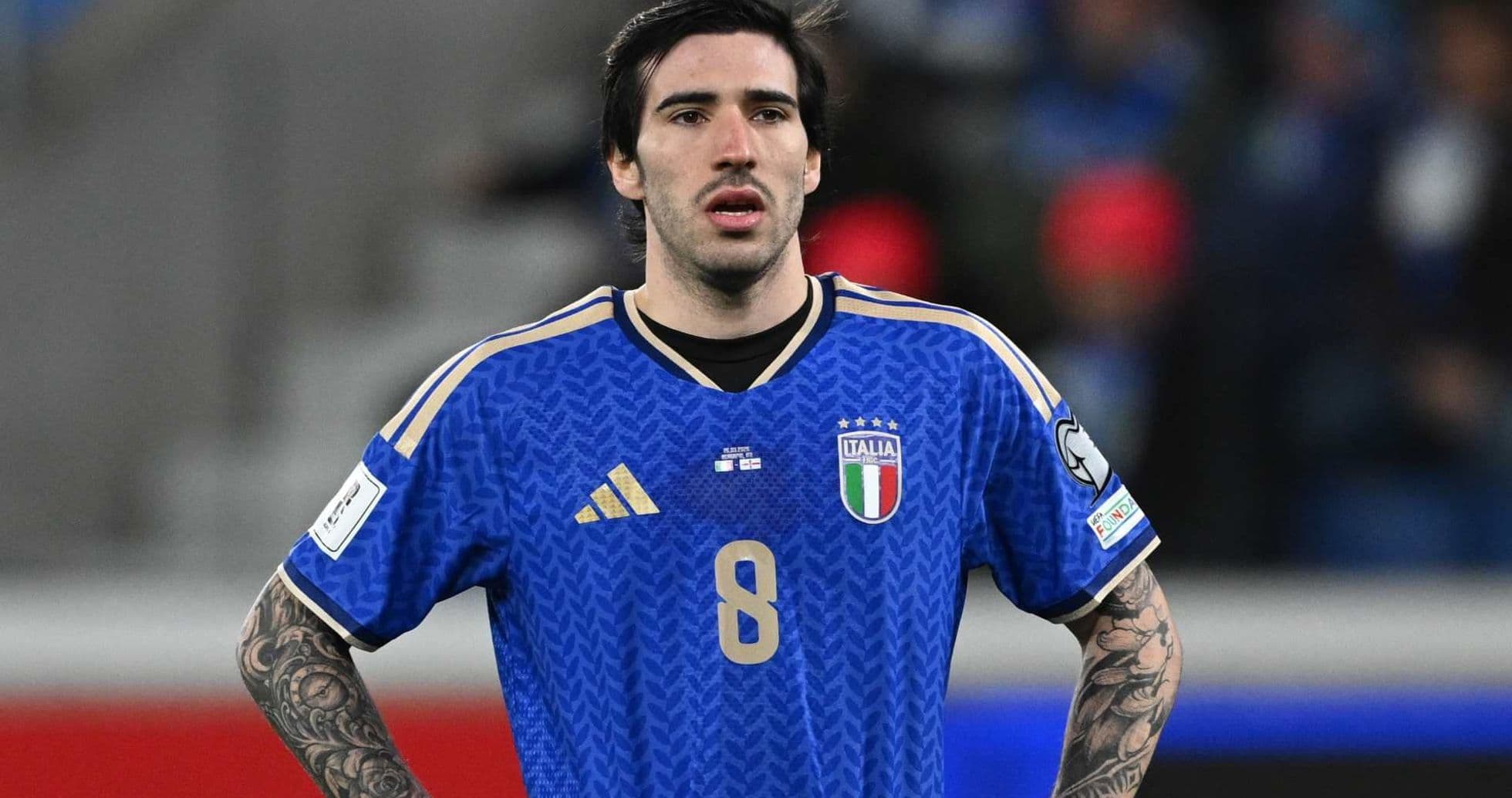
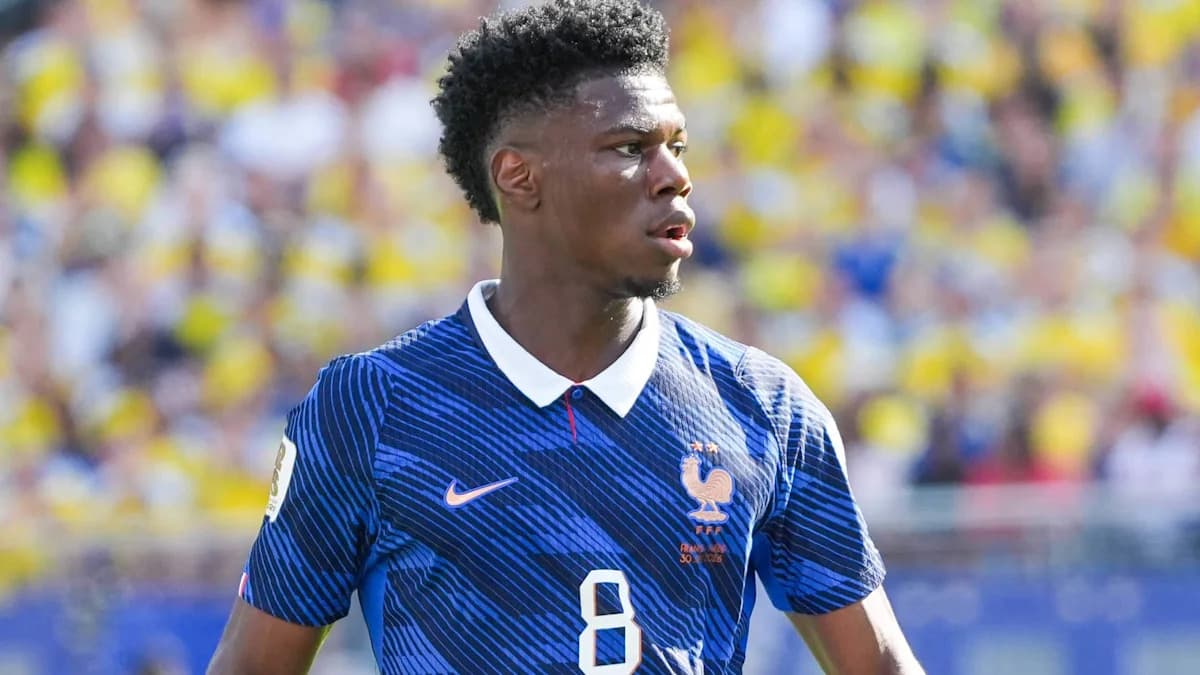
That supposed plan also existed alongside interest in Elliot Anderson, Mateus Fernandes and even Sandro Tonali at various points. It looks less like a carefully plotted route to Baleba and more like a scramble through a list of options.
The market will keep moving. Clubs will keep dressing up reaction as design. And somewhere in north London, Gabriel Martinelli will quietly pack his bags, another big name nudged out the door while the headlines scream about a revolt that never really began.