Carlo Ancelotti Rebuilds Brazil's Squad for a New Era
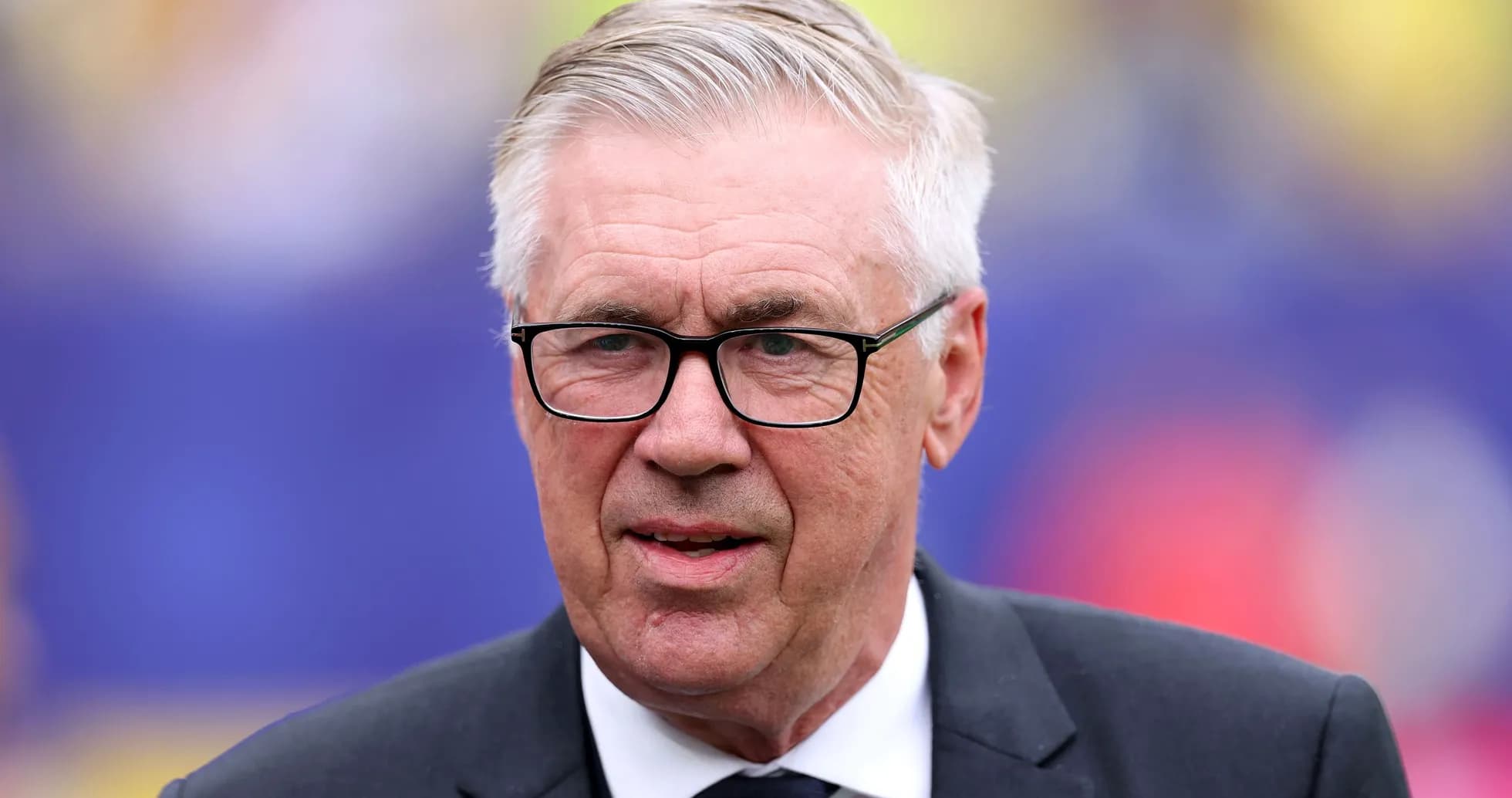
Carlo Ancelotti has torn up the old script and started again with Brazil.
Stung by a miserable World Cup and a shock round-of-16 exit to Norway, the Italian has delivered on his promise of a reset, naming a bold, youthful squad for friendlies against Australia and India that leaves several big names watching from home.
Alisson out, kids in
The most striking call comes in goal. Liverpool’s Alisson, long regarded as Brazil’s undisputed No. 1, is out. In his place, Ancelotti has turned to a new generation: Hugo Souza, Pedro Morisco and Otavio.
The decision is no accident, and no slight on Alisson’s quality. Ancelotti made that clear.
“We know Alisson very well, and when the competitions, like the Copa America, come, if he remains being the best goalkeeper in Brazil, Alisson will play. Right now, however, we have to prioritise the younger ones.”
The cull does not stop there. Casemiro and Fabinho, two pillars of Brazil’s midfield over the last decade, are also missing. Neymar, of course, is absent after his recent international retirement, closing a long and turbulent chapter with the national team.
Building towards 2030
This is not just a squad list; it is the opening act of a long-term plan.
After the World Cup humiliation, Ancelotti vowed to change direction. He has now done it by targeting players who will still be eligible for the 2028 Olympic Games, with a clear eye on building a core that can peak at the 2030 World Cup.
“The World Cup was a disappointment for us and for me personally,” he admitted, speaking to ESPN. “The pain of the defeat lingers much longer. Now, however, we are motivated by the fact that we have time to prepare for a new cycle and get ready for the upcoming competitions.”
The hurt has hardened his resolve. Club setbacks can be buried by the next league fixture. International wounds sit there, unhealed, for four years. Ancelotti has chosen to confront that by ripping open the squad and starting again.
Leaders kept for a new era
This is not a total revolution. Amid the fresh faces, Ancelotti has kept a spine of proven quality to guide the transition.
Real Madrid star Vinicius Junior and Barcelona winger Raphinha stay on to spearhead the attack, joined by Chelsea forward Joao Pedro, who returns after missing the World Cup. At the back, Paris Saint-Germain captain Marquinhos remains a reference point, while new Arsenal signing Bruno Guimaraes anchors the midfield group.
“I chose these players to help with this change in direction,” Ancelotti explained. “They are crucial for the future and will help the younger players improve. One thing is certain: a player who is 34 or 35 years old isn’t the future; they are the present. If a player of that age is ready to play in a major tournament, they will be in the national squad.”
The message is sharp. Age will not disqualify anyone, but the default setting has changed. The door stays open for veterans who can still decide big tournaments, yet the pathway now clearly runs through the younger generation.
A first glimpse in Australia and India
The new-look Brazil will be tested quickly.
They head first to Australia for a double-header against the Socceroos, opening in Townsville on September 25 before a second meeting in Brisbane four days later. Those matches will offer the first real look at Ancelotti’s rebuilt side under pressure.
Then comes something historic. On October 3, Brazil travel to Kolkata for their first ever match in India, a country where the five-time world champions command a vast and passionate following from afar. This time, the fans will finally see them up close.
The squad
- Goalkeepers: Hugo Souza, Pedro Morisco, Otavio
- Defenders: Arthur Dias, Wesley, Marquinhos, Gabriel Magalhaes, Douglas Santos, Jair, Matheuzinho, Maurio Junior, Vitor Reis
- Midfielders: Bruno Guimaraes, Andrey Santos, Danilo Santos, Dougals Luiz, Breno Bidon, Gabriel Bontempo
- Forwards: Endrick, Joao Pedro, Estevao, Pedro, Raphinha, Rayan, Samuel Lino, Vinicius Junior
Names like Endrick, Estevao and Rayan underline how aggressively Brazil are leaning into the future. Some of these players will be central to the Olympic push. Others may emerge as the backbone of the 2030 World Cup squad.
For now, though, this is about something simpler: a wounded football giant trying to feel like itself again.
Ancelotti has drawn his line. The next four years will show whether this gamble on youth can turn Brazil’s pain into a new golden cycle.