
2026 World Cup Kickoff: A New Era of Football
The World Cup that ate the calendar is finally here. In less than 12 hours, the 2026 tournament kicks off, and whatever else it is, it will not be small.
Mexico against South Africa in tonight’s opener at 8pm is the first step in a 104‑game marathon, a competition that sits somewhere between bold reinvention and outright bloat. By the time the final whistle blows on 19 July, we’ll know which side of that line it fell on.
Giants circling, legends on the clock
Spain arrive as bookmakers’ favourites and reigning European champions, armed with a midfield most nations can only envy. France bring the scar tissue and confidence of back‑to‑back finalists. England, under Thomas Tuchel, show up with something they’ve rarely had in modern tournaments: a sense of genuine belief.
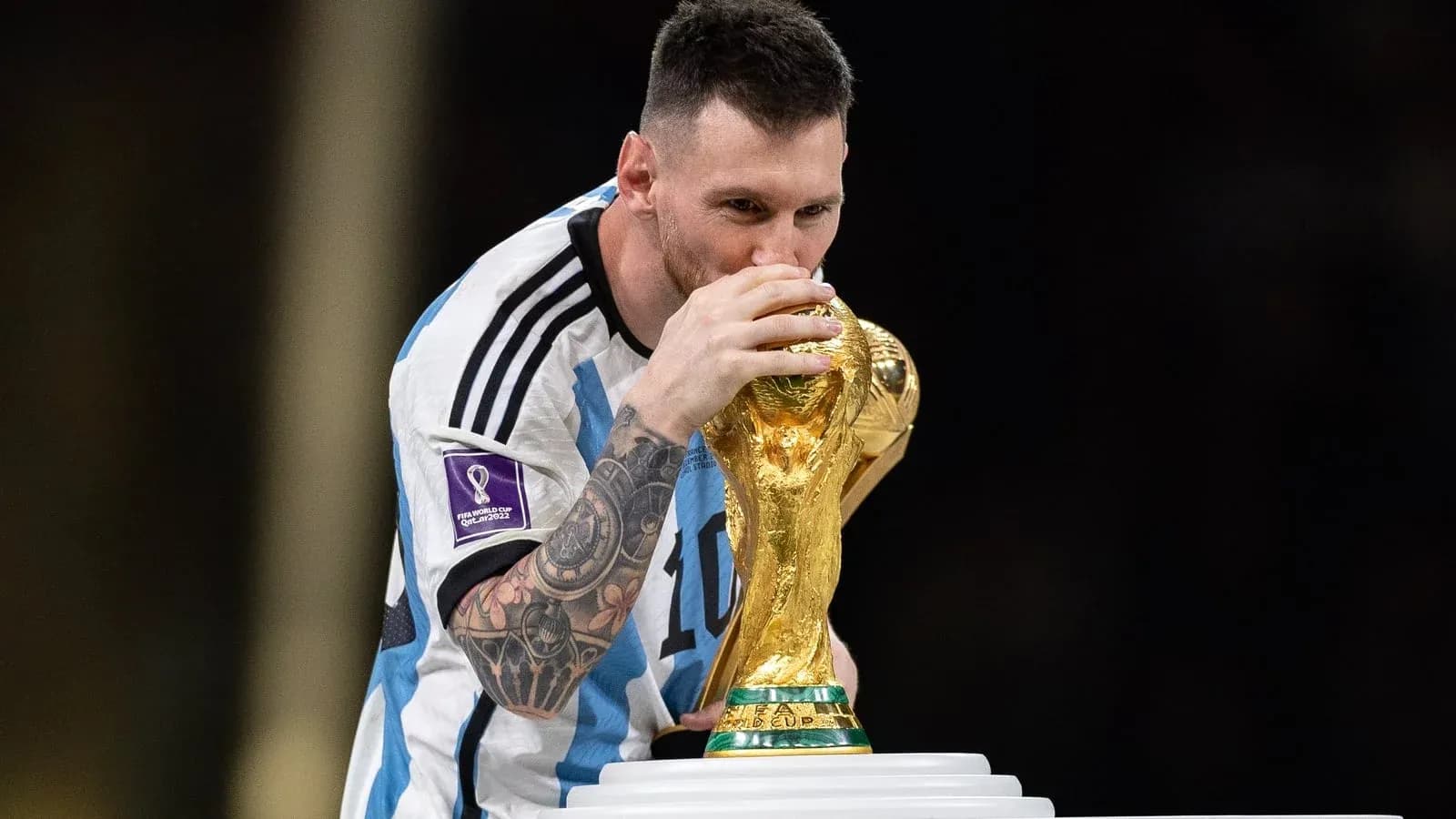
Then there is Argentina. Reigning champions, led again by Lionel Messi, chasing history. No team has retained the World Cup since Brazil in 1962; at 38, Messi is trying to drag his country to a second straight title and push himself beyond even Diego Maradona’s mythic status.
Brazil, now under Carlo Ancelotti, still have enough firepower to frighten anyone, even if they no longer look like the unstoppable force of old. Portugal, meanwhile, live under a different kind of spotlight. For Cristiano Ronaldo, this is the last crack at the one trophy missing from his collection. Whether that farewell storyline inspires or distracts his team will define their month.
The old line about never writing off Germany still feels relevant, especially with Julian Nagelsmann in charge. Colombia, Senegal and Morocco lurk just outside the inner circle of favourites, each capable of tearing up someone’s script.
On paper, the cast is irresistible. The problem is what’s wrapped around it.
A World Cup stretched to breaking point
This is the first 48‑team World Cup, split into 12 groups. That means more flags, more anthems, more nations getting their moment. It also means a long opening phase riddled with mismatches and slow-burn fixtures that will struggle to grab the neutral.
Germany against Curacao on Sunday and Spain versus Cape Verde on Monday could turn into training exercises. Qatar v Switzerland and Uzbekistan v Colombia are unlikely to set pulses racing beyond the countries involved.
The real issue is jeopardy. Or the lack of it.
The top two in each group go through automatically. They’re joined by the eight best third‑placed sides. Two-thirds of the field will make the round of 32. Big nations can lose twice and still squeeze into the knockouts, damaged but alive. That feels less like a ruthless global competition and more like a safety net for sponsor‑friendly heavyweights.
Irish fans know all about sneaking through tight groups, but even the most nostalgic will recognise the danger: the famous Italia 90 trick of reaching the knockouts without winning a game could easily be repeated under this format.
For many, the real edge, the sense that every mistake might be fatal, will only arrive once the knockouts begin. Coaches, though, will quietly welcome the cushion. After another draining club season, this extended group stage offers space to manage minutes and bodies.
Heat, hydration and survival
There is another opponent in this World Cup: the climate.
Matches in cities like Miami, Houston, Guadalajara and Mexico City will unfold in some of the hottest conditions international football has seen in June and July. FIFA has already mandated hydration breaks in the 22nd and 67th minutes of every match, regardless of the thermometer, and daytime fixtures are heavily steered towards air‑conditioned stadiums.
Even so, the heat will bite. Players will feel it in their lungs, in their legs, in the quality of pressing and tempo late in games.
On paper, that should favour Spain, Brazil, Argentina and Mexico, teams more accustomed to sweltering conditions and energy-sapping humidity. It will also demand ruthless squad management. Any side that reaches the latter stages will play eight matches. Eight high‑stakes, high‑temperature games in little over a month.
That reality will shape the early weeks. Messi, Neymar, Lamine Yamal, Bukayo Saka, Nico Williams – the tournament’s marquee attacking talents – are all likely to be carefully rationed, especially in the first two group fixtures. Some will be rested. Others will be eased in, minutes capped with the long run in mind.
Spain, France, England: the power axis
Spain stand at the front of the queue. They carry the deepest, most balanced squad in the competition, with a midfield that can suffocate games or slice them open at will. The one cloud is Yamal’s hamstring. His availability for the group stage is uncertain, but the format hands Spain time to nurse him back without panicking.
France are the most obvious threat to their crown. If both sides win their groups, they can’t meet until the semi‑finals – a potential classic waiting in the penultimate round. With Kylian Mbappe, Ousmane Dembele, Michael Olise and Desire Doue, Les Bleus boast some of the most explosive attacking options on the planet, backed by a squad that has learned how to live deep in tournaments.
This is Didier Deschamps’ last dance as France coach. Runners‑up last time, they arrive with a clear mission: finish the job.
England share that sense of unfinished business. They lost the Euro 2024 final to Spain, 2-1, and responded by changing the man in the dugout and the way they play. Gareth Southgate’s conservative caution has been replaced by Tuchel’s more fluid, high‑intensity blueprint.
The German has not tiptoed into the role. He has left Phil Foden, Cole Palmer and Trent Alexander-Arnold at home, choosing system players over star names. It is a bold call, one that will be thrown back at him relentlessly if England stumble. If it works, it will look like clarity. If it fails, it will be painted as arrogance.
South American royalty with questions to answer
Brazil and Argentina both arrive draped in tradition and doubt.
Ancelotti inherits a Brazil side rich in talent but not quite sure of itself. Their qualification campaign stuttered. The defence has leadership in Marquinhos, the attack glitters with Vinicius and Raphinha, yet the midfield remains a puzzle. They can beat anyone. They can also look strangely ordinary.
Argentina’s doubts are different. The core of the world champions remains, but time has caught up with its leader. Messi, at 38, is stretching his international career to one last World Cup. The team still looks to him to decide games, to conjure moments that defy logic and age. Whether he can keep doing that, seven or eight times in a month, is the question that hangs over their title defence.
A tournament that tests its audience
For fans in Ireland and across awkward time zones, this World Cup will demand as much endurance off the pitch as on it. Brazil’s opener against Morocco kicks off at 11pm on Saturday night. Argentina start their campaign at 2am on a Wednesday. Alarm clocks, late‑night coffee and bleary-eyed mornings will become part of the routine.
The tournament is asking a lot: of players, of supporters, of host cities. The schedule is heavy, the distances are vast, the format is forgiving to the elite and punishing to anyone’s attention span.
But in the end, it always comes back to the football. To whether those heavyweight clashes, those late drama knockouts, those breakout stories from Colombia, Senegal, Morocco or somewhere we haven’t yet imagined, can justify 104 games.
The first answer arrives tonight in Mexico City. The final one will have to wait until 19 July.





