How Geopolitics Influence World Cup Refereeing Decisions
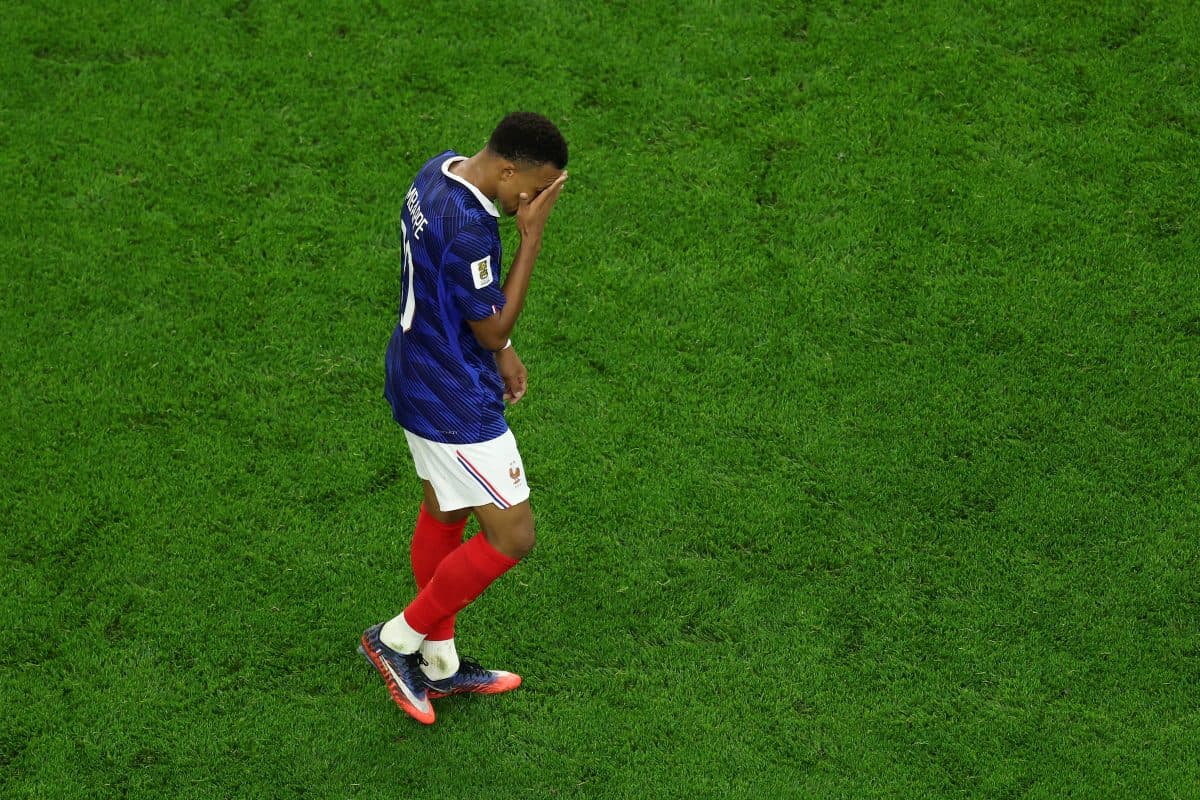
The focus at the 2026 World Cup has extended beyond players’ performances to the selection of referees. This week, the spotlight shone on an all-Argentine officiating team assigned to France’s 2-0 victory over Morocco, sparking online discussions about neutrality, especially with a possible final between France and Argentina looming.
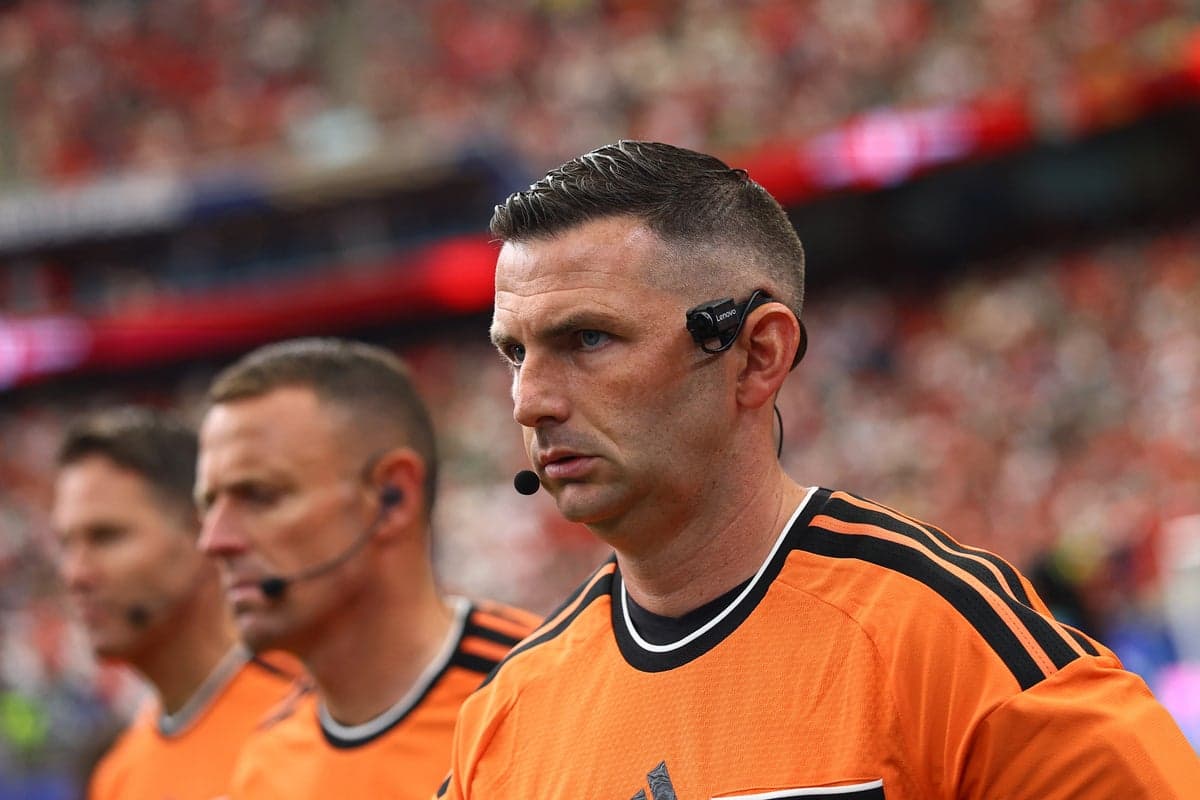
FIFA confirmed that English referees Anthony Taylor and Michael Oliver are not permitted to oversee Argentina’s matches due to sensitivities rooted in the Falklands War from 44 years ago.
How Does FIFA Decide Who Officiates?
Performance plays the biggest role in referee appointments. FIFA monitors referees over several years, pairing them consistently with assistant referees to ensure teamwork. The committee responsible, led by Pierluigi Collina—himself a legendary former World Cup final referee—evaluates accuracy and form closely.
Beyond merit, geopolitical considerations influence choices. Referees cannot officiate matches involving their own country or games that could directly affect their home nation’s progress. For instance, an English referee wouldn’t be assigned to Panama versus Croatia or to Argentina versus Switzerland if England might face the winner next.
Neutrality is preferred too. If an African team faces a South American side, a European official might be chosen. In cases where both teams come from the same continent, like Spain versus Belgium, a referee from that region, such as England’s Michael Oliver, can officiate.
Other political tensions matter as well. No American referee would oversee Iran’s matches due to ongoing conflicts between those countries. FIFA applies common sense, treating these situations flexibly.
The Falklands War's Lasting Impact
FIFA admits the Falklands War remains a sensitive issue affecting referee assignments. English officials won’t oversee Argentina’s matches or any game impacting Argentina’s tournament path, and vice versa. This reality dims the chances of English referees managing the final since England and Argentina share the same half of the bracket.
Argentina’s players recently referenced the disputed islands, calling them "Malvinas," highlighting how the topic still resonates. In contrast, older conflicts like World War II do not affect referee selection; for example, a German referee may handle an England game without concern.
Exceptions to the Rule
There have been notable exceptions. In 2006, Argentine referee Horacio Elizondo officiated England’s quarter-final against Portugal—a match remembered for Wayne Rooney’s controversial red card. FIFA did not clarify why the current guidelines regarding the Falklands War were not applied back then.