World Cup Power Rankings: France, Spain, Argentina, and England Lead the Pack
The margins separating the top teams at the World Cup semifinals have never been thinner. Narrow differences and careful analysis are needed to rank these teams accurately. It’s almost unthinkable for any team to reach this stage without having a real shot at winning the tournament.
This year, the four semifinalists align perfectly with FIFA's top-ranked sides. All have previous World Cup titles and multiple appearances in major finals over the last 15 years.
The upcoming matches will be tough, as the champion must overcome two of the other three elite teams remaining. My rankings reflect both each team’s chances of lifting the trophy and their overall strength.
1. France
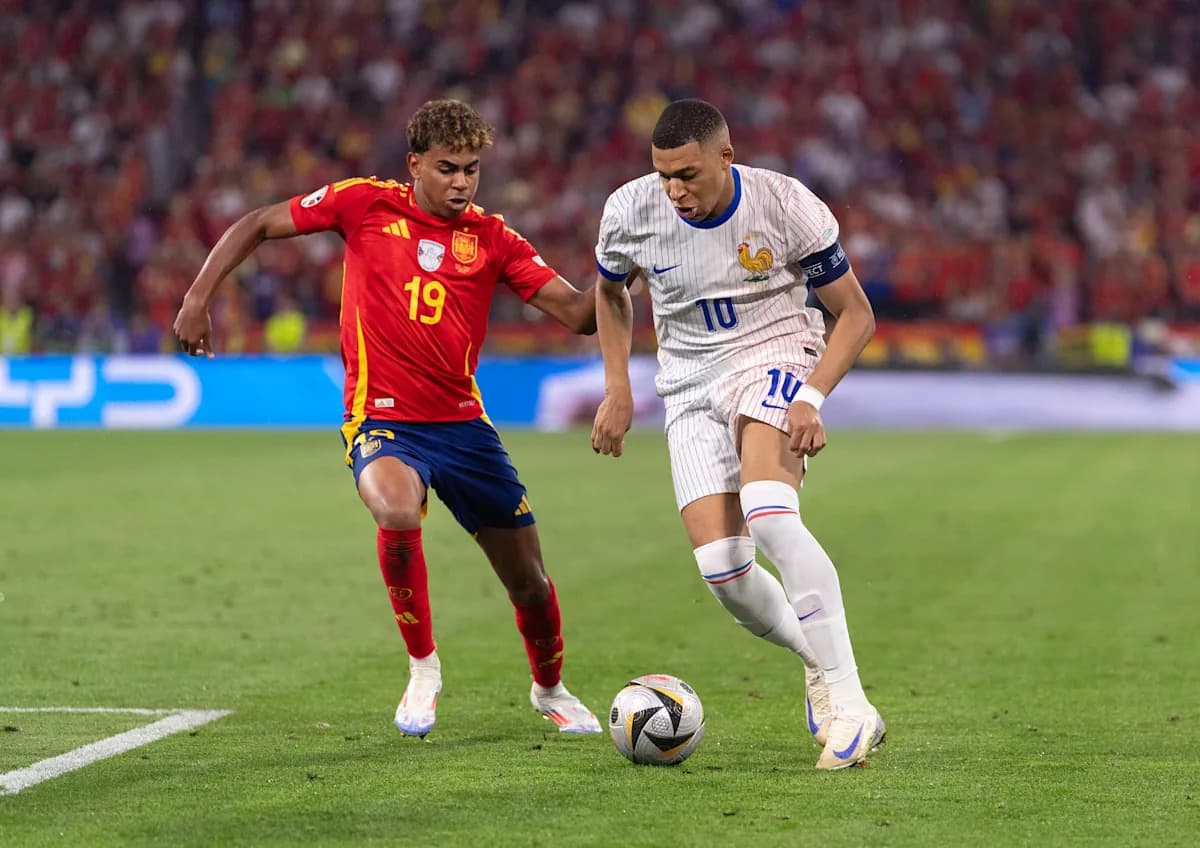
France has held the top spot for most of the tournament, and their 2-0 victory over Morocco reinforced that standing. Despite not dominating possession for the first time, they remained composed and effective throughout. They skillfully targeted space behind Achraf Hakimi, exploiting it with Kylian Mbappé positioned on the left side while Hakimi served as Morocco’s main threat in attack.
France adapted well to maximize their talents. Facing Spain’s pressing style will be challenging, but they still hold the highest potential among the final four. A win or loss against Spain is possible, though a decisive French victory seems more likely.
2. Spain
Spain could easily claim the top spot. They’ve conceded just one goal, allowed the fewest expected goals (1.8), and maintained the lowest shot quality against them (0.05 xG per shot). Offensively, they lead with 11 goals and an impressive 11.7 non-penalty expected goals. Only Portugal has managed more than six shots on target against them.
Their suffocating press forces opponents into errors, with 56% of possessions starting in central and attacking areas—the highest among quarterfinalists. Their attack isn’t firing on all cylinders yet, but stats closely mirror those of France. The French squad boasts more star power up front, while Spain holds midfield superiority.
The semifinal in Dallas promises excitement. An upset by Spain wouldn’t shock many, and whichever team advances is favored to win against England or Argentina.
3. England
England climbs one position after a third straight knockout win by a single goal. Winning tight matches is a positive trait here; they’ve shown resilience and adaptability.
With Thomas Tuchel’s tactics and a versatile squad, England has found ways to break down stubborn defenses like Congo DR’s, withstand adversity against Mexico when reduced to ten men, and contain dangerous players such as Erling Haaland from Norway.
Against Argentina, aerial strength could give England an edge. Harry Kane and Jude Bellingham stand out as match-winners, supported by midfielders who can attack through various channels.
They can win by defense or offense. Though France and Spain have often performed at higher levels, England remains close behind.
4. Argentina
Argentina drops a notch after narrowly securing a 3-1 quarterfinal win over Switzerland with a late goal from Lautaro Martínez. Like England, they have managed tight games, but the manner of those wins raises questions.
They lead the tournament in non-penalty goals with 16 but rank fourth in expected goals (10.4), aided by two extra-time matches. Their attack lacks variety, especially in wide areas where explosive wingers are scarce.
Across six games, they’ve sent only 78 crosses—among the fewest of the semifinalists. While crosses aren’t always the best option, this suggests limited attacking width. When chasing goals, opposing defenses have effectively compressed space centrally, hampering Argentina.
Still, with Lionel Messi and other skilled players, plus passion and belief, Argentina could defy expectations in the final two matches. They may not be on the same level as the other three teams right now, but Messi’s influence could rewrite the story entirely.