How the World Cup Turned into America's Unexpected Summer Celebration
Before this World Cup kicked off, many feared it would end in disaster. The long US government shutdown had left local cities short on funds to prepare for millions of visitors. Political tensions seemed likely to scare away international fans. Stories of inflated prices suggested stadiums might sit half-empty. Then the war in Iran cast a shadow over America’s reputation both at home and overseas.
As a big fan of the tournament, I braced myself for disappointment. Yet from the first whistle in Mexico City to the final moments in New Jersey, North America hosted an unforgettable celebration that few expected. It felt like a much-needed shift in mood.
Fans from Across the Globe Unite
On opening night in Mexico, South Korean and Mexican supporters connected as if they were old friends. In the US, Scottish fans emptied bars in Boston, while Norwegians turned any surface into a place to row. Brazilians, Argentines, and Colombians took over whole cities. Visitors discovered American quirks like Buc-ee’s convenience stores and Waffle House diners.
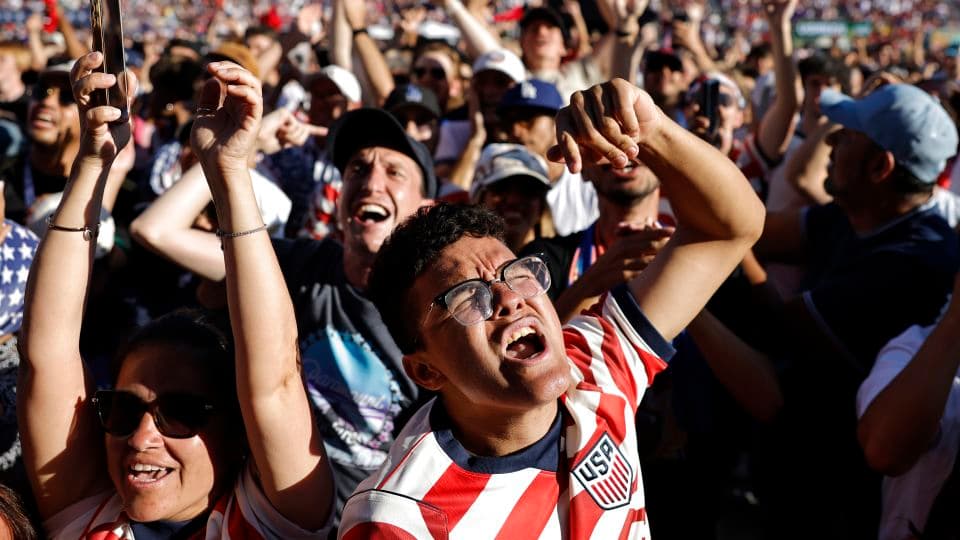
For weeks, Americans got caught up in the excitement. The US team even sparked hope with two inspiring wins early on, leading some to imagine the country had become a true contender.
The Country’s Spirit Shines Beyond Politics
Washington's political chaos often weighs heavily on the nation’s mood, but for nearly six weeks, headlines showed places like Lawrence, Kansas, enchanted by Algerian fans; Boston swept up by Scots; Miami transformed by visiting crowds; Seattle buzzing with energy; and Atlanta’s downtown packed with thousands enjoying fan festivals. Millions were reminded that this country has a lot to offer beyond politics.
Politics still crept in. The Iranian team faced last-minute changes to their training location and strict travel restrictions. President Donald Trump’s involvement in the Folarin Balogun issue raised questions about the tournament’s integrity, especially after Belgium knocked the US out. Visa troubles affected referees and teams, blamed on administration policies.
Even so, despite fears Trump would dominate the headlines, the spotlight remained mostly on soccer. When political drama flared, the sport quickly reclaimed attention. A day after the Balogun controversy, Lionel Messi led Argentina in an incredible comeback against Egypt, reminding everyone why the World Cup is magic.
Lasting Impact Beyond the Final Whistle
The tournament’s economic effects will be debated for years. Cities will analyze whether hosting brought the benefits promised. But one outcome is clear: Americans showed the world there’s more to this country than politics. Visitors repeatedly said locals were kinder and more welcoming than the news suggested.
America still has problems to fix, but for 39 days, people from all over the globe shared joy. Fans cheered under packed stadium roofs, made memories, and found common ground beyond borders. For a while, the biggest worry was what to watch when no matches were on TV.
We danced with Congolese supporters celebrating their historic win. We marveled as Cape Verde nearly upset giants. We shared meals and stories with strangers from distant lands.
Though the World Cup has ended, maybe it changed how the world sees Americans—and how Americans see themselves.