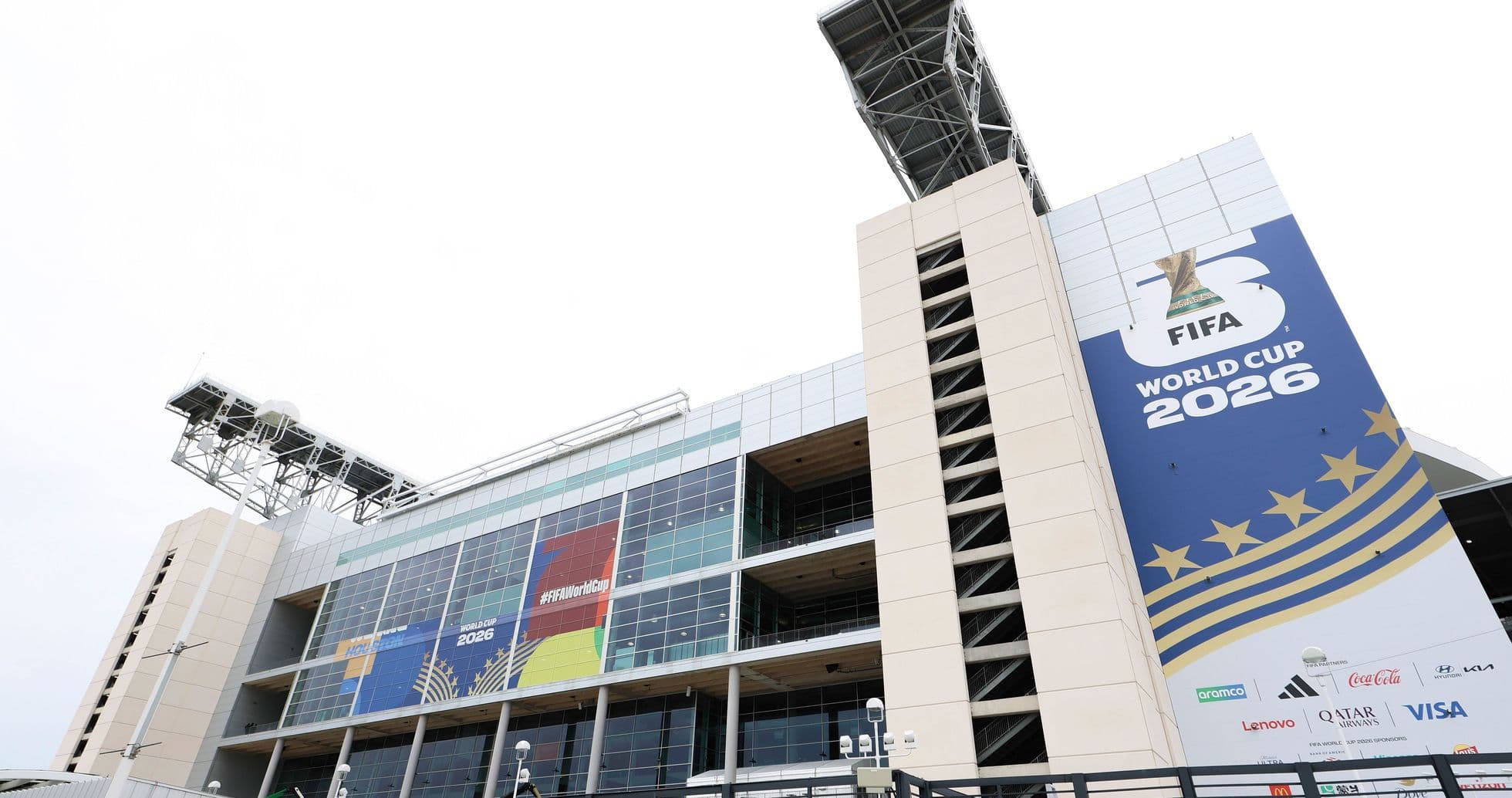
2026 World Cup Kickoff Times: Complete Central Time Schedule
The 2026 FIFA World Cup is unfolding across North America, featuring 48 teams competing in the United States, Canada, and Mexico. The tournament has progressed beyond the group stage into the decisive Round of 32 knockout phase, where every match demands a win.
Fans tuning in from the Central Time Zone (CT) enjoy a schedule that avoids inconvenient hours. Matches are spread out to fit comfortably into daily routines with late-morning games, lunchtime showings, and evening doubleheaders. Tied matches after regular time move on to extra time and possibly penalty shootouts, adding intensity to each contest.
Round of 32 Match Schedule (Central Time)
Matches during the tournament follow a set pattern to help viewers catch as many games as possible without clashes. These time blocks repeat throughout the event:
- Late-Morning Window: 11:00 AM or 12:00 PM CT, ideal for background viewing during work or lunch breaks.
- Mid-Afternoon Slate: Between 2:00 PM and 4:00 PM CT, fitting for afternoon soccer action while working.
- After-Work/Dinner Window: From 5:00 PM to 7:00 PM CT, prime time for high-profile matches as people unwind.
- Prime-Time Nightcap: Games starting at 8:00 PM or later, often held in West Coast cities like Los Angeles or Seattle, delivering the most intense moments late at night.
Streaming Options for Central Time Viewers
Cord-cutters have several streaming platforms offering live coverage:
- Fubo: Covers all major English and Spanish broadcasters including FOX, FS1, Telemundo, and Universo. It features an Unlimited Cloud DVR for recording matches that clash with other commitments.
- Peacock: Offers all 104 matches live in Spanish through Telemundo Deportes and Universo for $10.99/month (Premium).
- FOX One & Tubi: FOX One streams all games live via its premium app, while Tubi provides free access to full replays and highlights through its ad-supported service.
4K Streaming Tip: For those watching on ultra-HD screens, especially for big matches like the USMNT game at SoFi Stadium, a steady home Wi-Fi speed of 25 Mbps or more helps avoid buffering during critical plays.