Why Is Football Called Soccer in the US and Canada?
Millions around the world live and breathe football, but in two of the 2026 World Cup hosts, the game goes by a different name: soccer. Why does this happen, and how do fans in other countries feel about it?
The Origins of "Soccer"
Stefan Szymanski, a professor at the University of Michigan who grew up in England during the 1960s and 1970s, recalls that back then, calling the sport soccer was normal and not controversial. Curious about the debate over the terms football versus soccer, he started digging deeper.
The roots go back to the mid-19th century when football was mainly a sport played by the upper class. The founders of the Football Association in 1863 were Oxford graduates from elite schools. The term "association football" was used to set it apart from rugby football, another popular game at the time.
How Did the Word "Soccer" Come About?
Students at Oxford had a habit of turning words into slang by shortening them and adding "-er." For example, breakfast became "brekker," and rugby football was nicknamed "rugger." It seems that "soccer" emerged the same way, by taking "soc" from association and adding "-er." Though no one can say for sure, plenty of evidence points to this Oxford origin.
Spreading Across the Globe
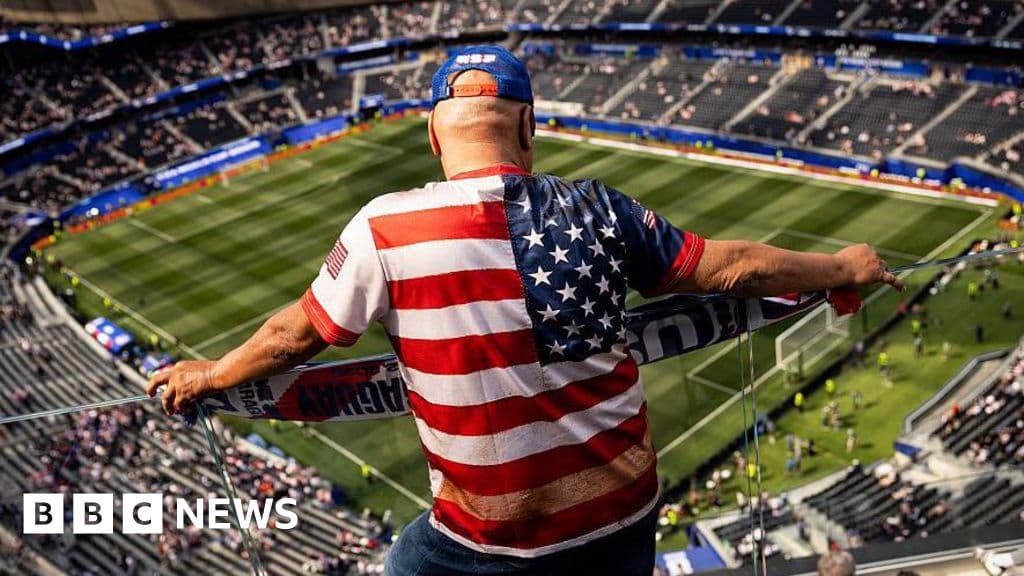
By the late 1880s, "soccer" had appeared in school magazines around England. While some variants like "socker" disappeared, "soccer" stuck. As the sport spread worldwide, so did the word. Today, you’ll hear soccer in places like Australia, New Zealand, South Africa, Canada, and the United States.
In the US, "football" refers to American football, which developed from rugby and shares some traits with soccer. This close relationship explains why "soccer" and American football gained popularity around the same time.
British Attitudes Toward the Term
British newspapers used both football and soccer well into the 1980s before football took over completely. When Americans mention soccer, they often apologize, thinking the British dislike the term. Some do take offense, but many Brits accept it as part of their language heritage and welcome its use.
"It's an English word - feel free to use it," Szymanski advises American students who worry about offending.