Understanding the Number 10 Role in Soccer and Its Historical Roots
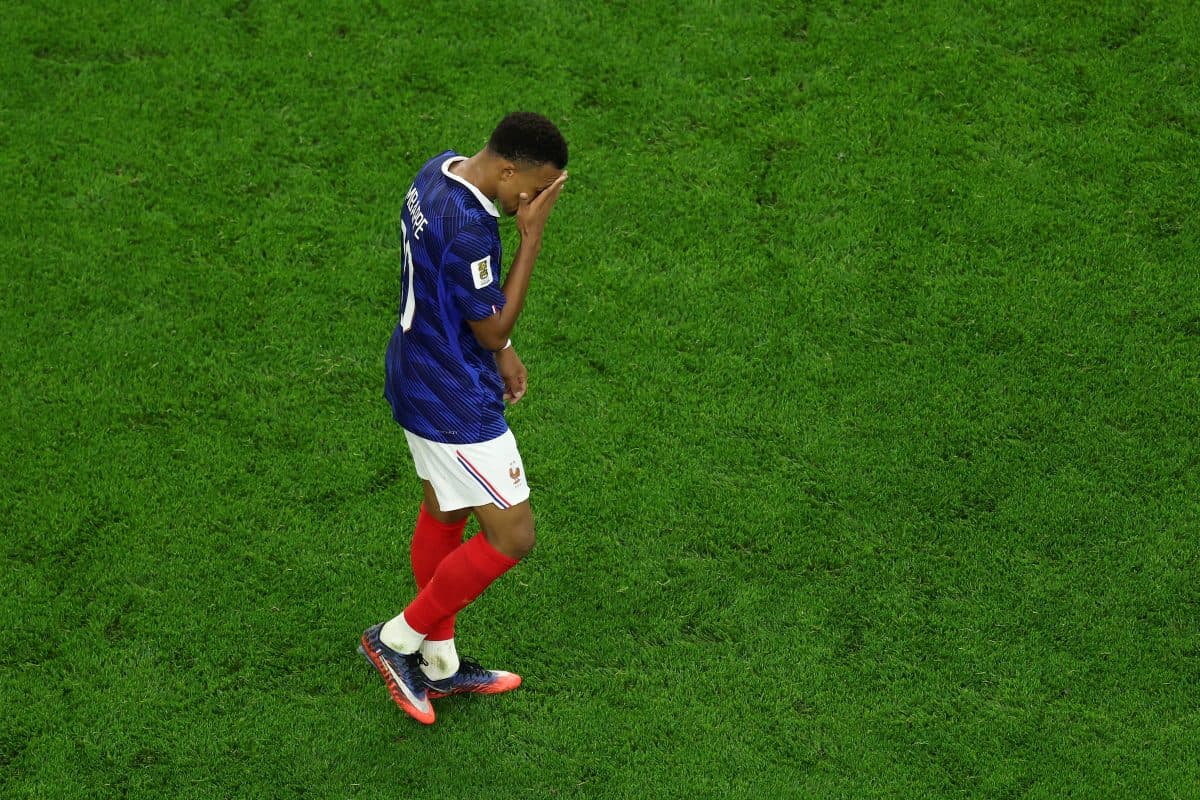
The term "number 10" is often heard during the World Cup, but it doesn’t always mean a player wearing jersey number 10. For example, England’s Jude Bellingham both plays the role and wears the No. 10 shirt. Still, the number is more about a position on the field than the actual digit on the back.
The Role of the Number 10
In soccer, a number 10 typically refers to an attacking midfielder who operates just behind the striker. This player is the second-most-forward attacker, positioned to create opportunities and orchestrate offensive plays. The number 10 is often associated with creativity and skill, exemplified by players like Lionel Messi.
Why Is This Position Called Number 10?
The name comes from historical jersey numbering conventions. When numbers were first introduced, each starting player was assigned a number from 1 to 11 based on their position. The goalkeeper wore No. 1, and numbers increased moving outward from there. The attacking midfield spot ended up with No. 10, which has stuck as a symbol for that role ever since.
More Around the World Cup
- England’s Jude Bellingham recently made headlines by setting a World Cup record.
- Other stories include Norway bringing 600 pounds of salmon to the event and viral moments involving young talents like Lamine Yamal’s brother.
- Players such as Folarin Balogun have interesting eligibility stories during the tournament.
We think the number 10 remains one of the most fascinating positions in soccer because it blends history with flair and creativity on the pitch.