Utah Royals W Secure 2-0 Win Over Houston Dash W
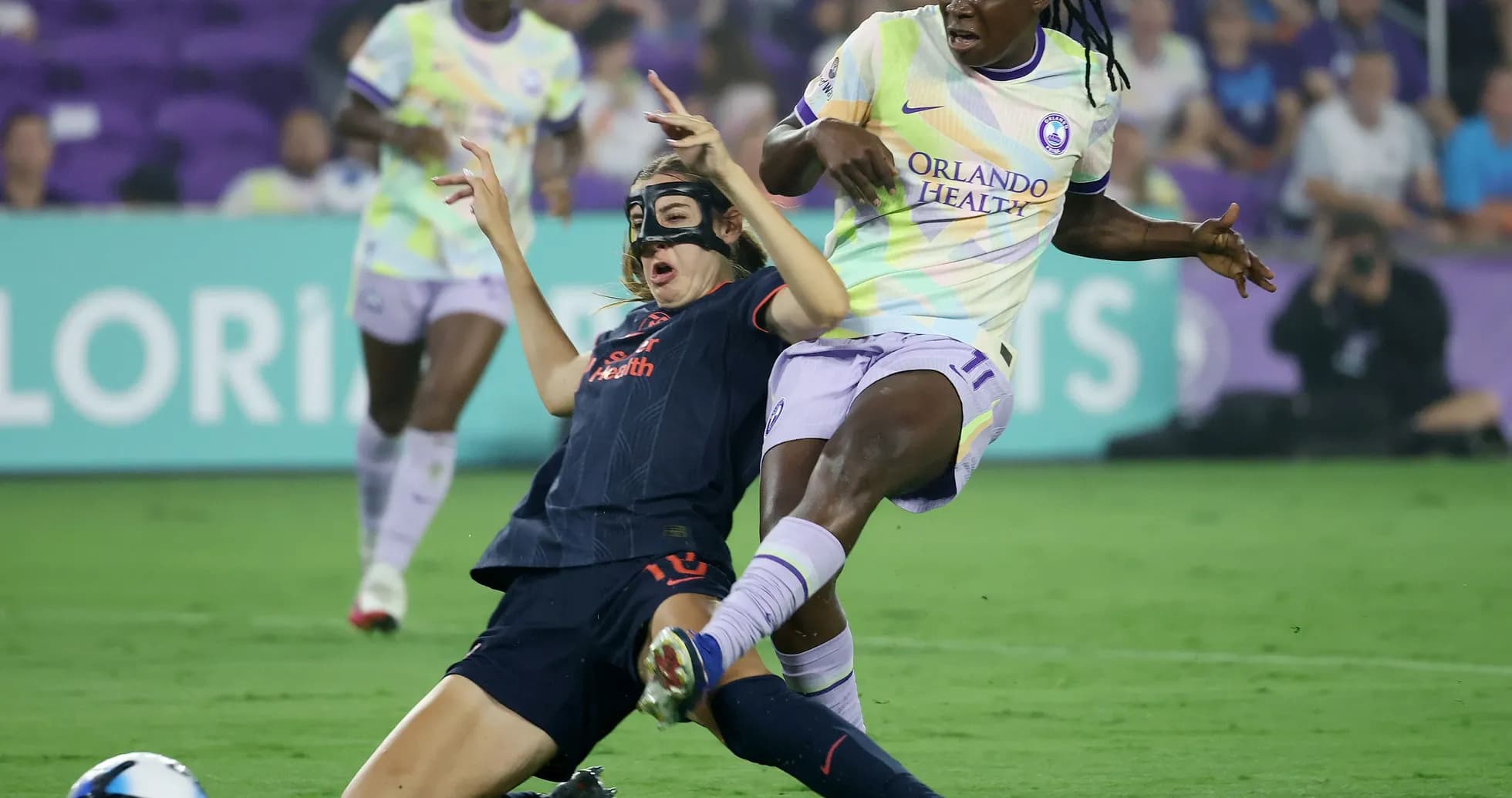
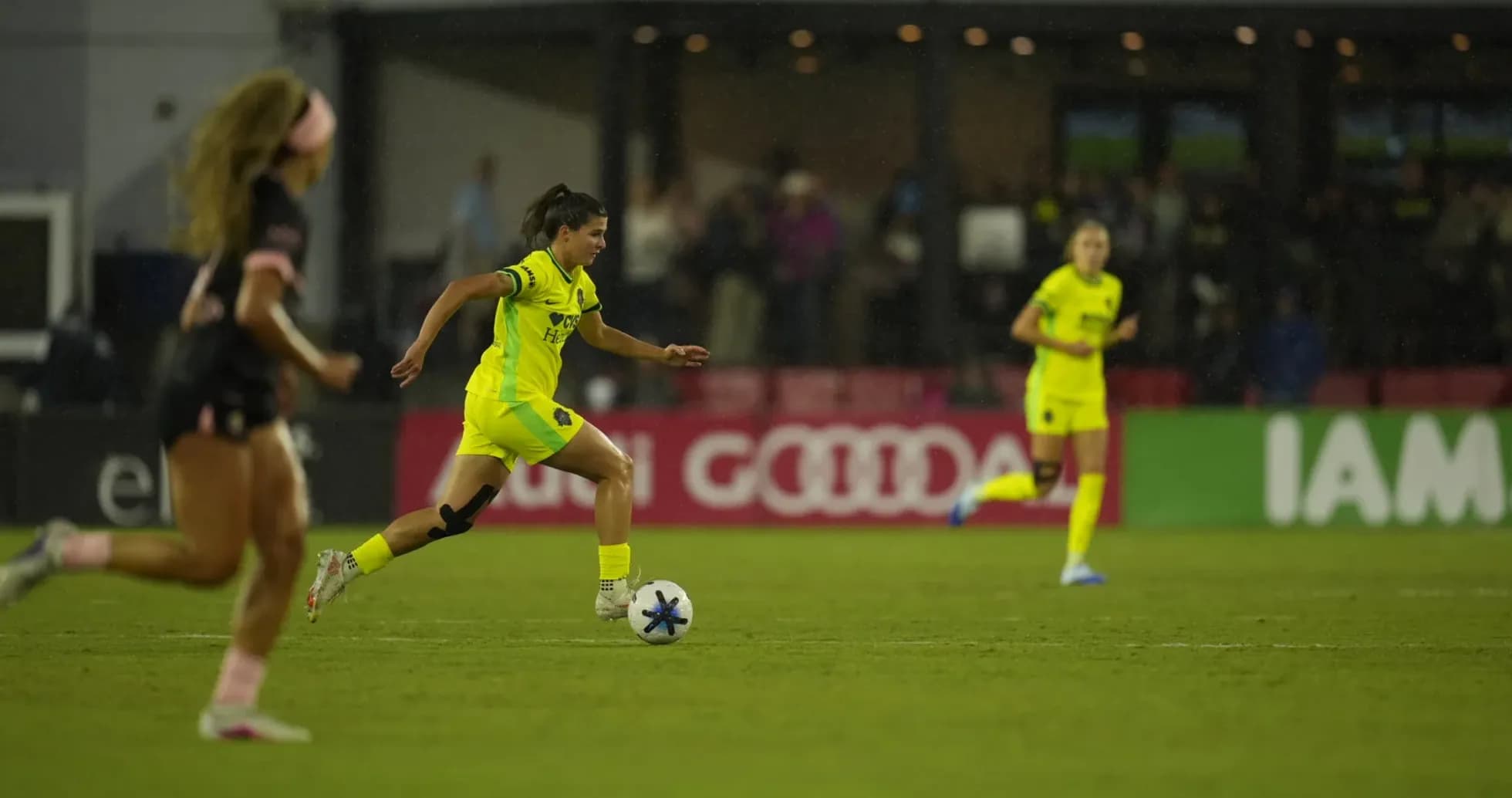
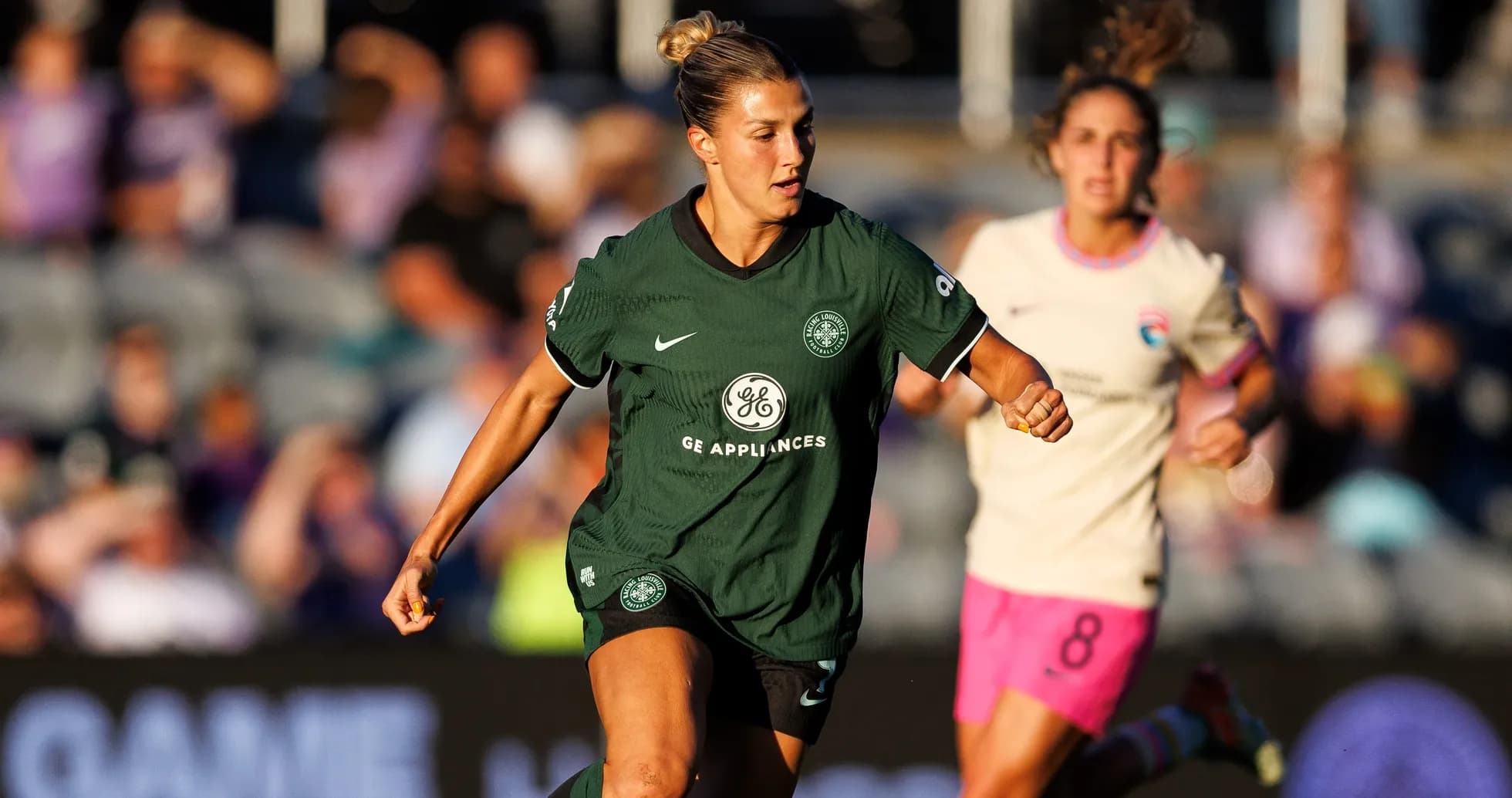
America First Field under the lights has become a proving ground for what Utah Royals W are becoming: a hard‑edged, possession‑driven side that now marries control with cutting edge. Following this result, a 2–0 home win over Houston Dash W in the NWSL Women group stage, Utah consolidate their status near the top end of the table. They sit 2nd with 16 points from 8 matches, their overall goal difference a crisp +6, built on 12 goals scored and only 6 conceded. Houston, 7th with 10 points from 7, remain very much in the playoff conversation, but this night in Sandy underlined the gap in cohesion and clarity between the two squads.
I. The big picture: structures and seasonal DNA
Utah stayed loyal to their season’s blueprint, rolling out a 4‑2‑3‑1 that has been their primary shape in 7 of 8 league outings. M. McGlynn anchored the side from goal, with a back four of J. Thomsen, K. Del Fava, K. Riehl, and M. Moriya offering a blend of aerial strength and ball progression. Ahead of them, the double pivot of Ana Tejada Jimenez and N. Miura provided the platform: Tejada the more combative presence, Miura the metronome.
Further forward, the attacking trio of P. Cronin, Minami Tanaka, and C. Lacasse operated behind lone forward C. Delzer. It is a configuration that mirrors Utah’s statistical identity this season: overall they average 1.5 goals for and only 0.8 against per match, with 4 clean sheets in 8 fixtures and not a single outing where they have failed to score. The structure is stable, repeatable, and increasingly ruthless.
Houston, by contrast, arrived with their familiar 4‑4‑2, a shape they have used in all 7 league matches. J. Campbell started in goal behind a back four of L. Klenke, P. K. Nielsen, M. Berkely, and L. Boattin. The midfield quartet of E. Ekic, C. Hardin, S. Puntigam, and L. Ullmark was asked to connect to a front two of M. Bright and C. Larisey.
On their travels this season, Houston have been more cautious and less productive: away they average only 0.7 goals for and 1.3 against, compared to 1.8 for and 1.0 against at home. That split was written all over this performance. The Dash carried moments of threat, but never the sustained pressure required to crack a Utah defense conceding just 0.7 goals at home on average.
II. Tactical voids and disciplinary edges
There were no confirmed absences listed pre‑match, so both coaches had close to full decks. Yet the real story in terms of availability was less about who was missing and more about who was at risk.
Utah are one of the more combative sides in the league. Their season card profile shows a heavy concentration of yellow cards between 46–60 minutes and 61–75 minutes, each window accounting for 23.53% of their cautions. This is a team that ramps up intensity just after the interval and again as the match enters its final third. They have also seen a red card in the 76–90 minute band, the only dismissal in that late‑game window across their campaign.
Personnel-wise, that edge is embodied by Ana Tejada, the league’s leading yellow‑card collector with 3 bookings in 8 appearances, and by the likes of Dayana Pierre‑Louis, who has 2 yellows in only 277 minutes. Even C. Lacasse, Utah’s attacking star, carries 2 yellows. This is not a side that shies away from the dark arts when protecting leads.
Houston’s own disciplinary pattern is more back‑loaded. A striking 36.36% of their yellow cards arrive in the 76–90 minute range, with another 27.27% between 46–60. For a team that often has to chase games away from home, that late‑match indiscipline is a tactical void: it disrupts their pressing structure just when they most need clarity.
III. Key matchups: hunter vs shield, engine room vs enforcer
The headline duel heading into this fixture was always going to revolve around C. Lacasse. With 3 goals and 2 assists overall, plus 19 key passes and 10 dribble attempts, she is Utah’s primary hunter, equally comfortable running beyond the line or dropping into pockets. Her work rate without the ball is significant too: 21 tackles, 1 blocked shot, and 8 interceptions overall speak to an attacker who defends from the front.
Her opposite number in many respects is Houston’s defensive shield, P. K. Nielsen. Across the season she has amassed 7 blocked shots, 9 interceptions, and 13 tackles, while maintaining an 82% passing accuracy from the back. In a 4‑4‑2 that can be exposed between the lines, Nielsen’s ability to step out and compress space is vital.
On this night, Utah’s 4‑2‑3‑1 shape repeatedly pulled Nielsen and M. Berkely into uncomfortable decisions. When Lacasse drifted inside from the left, Tanaka slid into the half‑space, and Delzer pinned the center‑backs, Houston’s back line was forced to choose between tracking runners or holding the line. Utah’s season‑long habit of never failing to score was reflected in how naturally they manipulated those gaps.
In midfield, the engine‑room battle pitted Utah’s double pivot and creative trio against Houston’s central pair and wide midfielders. Minami Tanaka, one of the league’s top assist providers with 3 overall, again operated as the connector. Her 147 completed passes this season at 70% accuracy are not just volume; they are vertical, risk‑embracing balls that break lines. She has drawn 17 fouls overall, a testament to how often she receives under pressure and invites contact.
Houston’s counterweight in that zone is Danielle Colaprico, a top‑tier ball‑winner and organizer, though she began this match on the bench. Across the season she has 11 tackles, 4 blocked shots, and 5 interceptions, while also providing 1 assist and 7 key passes. When she enters games, she gives Houston both bite and distribution. Without her from the opening whistle, the Dash lacked a true enforcer to disrupt Tanaka’s rhythm.
Further up the pitch, the latent threat of K. van Zanten loomed over Utah’s defensive line, even though she did not start. With 4 goals in 7 appearances overall, 11 shots (7 on target), and 12 key passes, she is Houston’s most decisive attacking piece. Her 2 yellow cards and prominent place on both the yellow and red‑card leaderboards underline her combative edge; she is as likely to crash into a tackle as she is to slip into a scoring position. Against a Utah back line that has kept 4 clean sheets in total and concedes only 0.8 goals per match overall, her introduction always had the potential to tilt the balance, but the Dash never quite engineered the platform she needed.
IV. Statistical prognosis: why Utah’s structure wins
Strip away the narrative and the numbers still point in one direction. Utah’s overall record of 5 wins, 1 draw, and 2 losses from 8, with a +6 goal difference, is underpinned by balance: they score 1.3 goals at home on average and concede only 0.7. They have already registered 2 home clean sheets and have not failed to score in any match this season.
Houston’s overall profile is more fragile. Across 7 matches they have 3 wins, 1 draw, and 3 defeats, with a slim +1 goal difference built on 9 goals for and 8 against. On their travels, the Dash have scored just 2 goals in 3 games and conceded 4. That away‑day bluntness is a poor match for Utah’s defensive solidity.
Factor in penalties and the margins narrow only slightly. Both teams are perfect from the spot overall, each scoring 2 of 2 penalties with no misses, so there is no hidden advantage there. The difference lies instead in repeatable patterns: Utah’s ability to impose their 4‑2‑3‑1, to lean on Lacasse’s dual role as scorer and creator, and to let Tanaka orchestrate between the lines, all while Tejada and Miura lock down transitions.
Following this result, the tactical verdict is clear. Utah Royals W are not just winning; they are winning in a way that scales. Their structure, discipline, and attacking hierarchy give them a higher floor and a higher ceiling than a Houston side still searching for an away‑day identity. In a league where playoff margins are thin, nights like this in Sandy feel less like one‑offs and more like the early chapters of a team settling into genuine contender status.