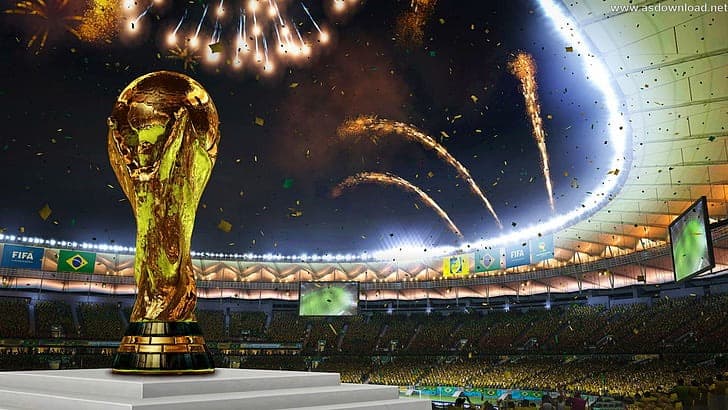
The Surprising Twists of the 2026 World Cup
When FIFA announced the expansion of the 2026 World Cup to 48 teams, many doubted its appeal. Critics worried that the group stages would drag on and the quality of football might drop. Yet, as matches unfold across the USA, Canada, and Mexico, this larger format has brought an unexpected level of excitement and unpredictability.
Unlike the tightly controlled atmosphere of Qatar 2022, this tournament feels like a fresh story where past reputations barely matter. That unpredictability has made the knockout rounds particularly gripping.
Underdogs Shake Up the Established Order
Adding more teams means seeding gets diluted. The traditional giants expected smoother progress but faced well-organized opponents with diverse strategies instead. Nations quietly developing strong squads outside the spotlight are now punishing complacency in various ways.
A striking example is Brazil’s exit in the Round of 16 after a 2-1 loss to Norway in New Jersey. Despite their roster full of Champions League stars, Brazil struggled against Norway's aggressive pressing, led by Erling Haaland's dominance over their defense.
Another story unfolded in Boston during the Round of 32, where Germany, a team with a turbulent build-up, was eliminated by Paraguay. After a heavy 4-1 defeat to the USA in the group stage, Paraguay demonstrated resilience by absorbing relentless pressure and forcing Germany into penalties, winning 4-3. Their disciplined defensive approach remains a powerful tool in knockout matches.
Yet the true underdog tale belongs to Cape Verde, a tiny nation of just over half a million. They held a star-packed Spain squad to a goalless draw in the groups, then pushed reigning champions Argentina to extra time in the Round of 32 before losing 3-2. Their run highlights why the 48-team format works, giving smaller nations a real chance to upset the established hierarchy.
A Test of Endurance and Willpower
The larger tournament means more matches, changing the physical demands dramatically. Under the old 32-team setup, top teams could afford to rest players early on. Now, the added Round of 32 forces a longer campaign that wears down even the strongest squads.
This fatigue was clear in Atlanta when Argentina faced Egypt. Egypt took a surprising two-goal lead with sharp attacking play. Argentina looked sluggish and drained, shown clearly when Lionel Messi missed a first-half penalty saved by Mostafa Shobeir. Tactical adjustments helped Argentina mount a late 3-2 comeback, but the match felt more like survival than dominance. The grueling schedule tests mental and physical endurance alongside tactical skill.
The Giants Still Fight Back
Despite the chaos, some traditional powers have maintained control. France has advanced with ruthless efficiency, reminding everyone why they remain favorites. Spain and Argentina have also survived tough early rounds. Still, the quarter-finals feature surprising names alongside these giants.
According to odds from NetBet, France leads the title race, with Spain and Argentina close behind. England, after a tough defensive effort against Mexico, still holds strong chances. Bookmakers expect the trophy to stay within familiar hands, with a significant gap separating the top contenders from outsiders like Norway and Morocco.
Balance Between Tradition and Surprise
The 2026 World Cup strikes a unique balance. The presence of football’s biggest teams remains prominent, but they've been tested fiercely by emerging nations such as Cape Verde, Paraguay, and Egypt. This unpredictable competition shows us once again that past glories mean little once the whistle blows.