Why UEFA Is Opposing Gianni Infantino's FIFA Presidency
Over the past ten years, the relationship between global football’s governing bodies has grown increasingly strained. The main source of friction lies between FIFA, the worldwide football authority, and its European confederation, UEFA. Their differences have intensified following the collapse of Gianni Infantino's FIFA Forward Enterprise (FFE) plan.
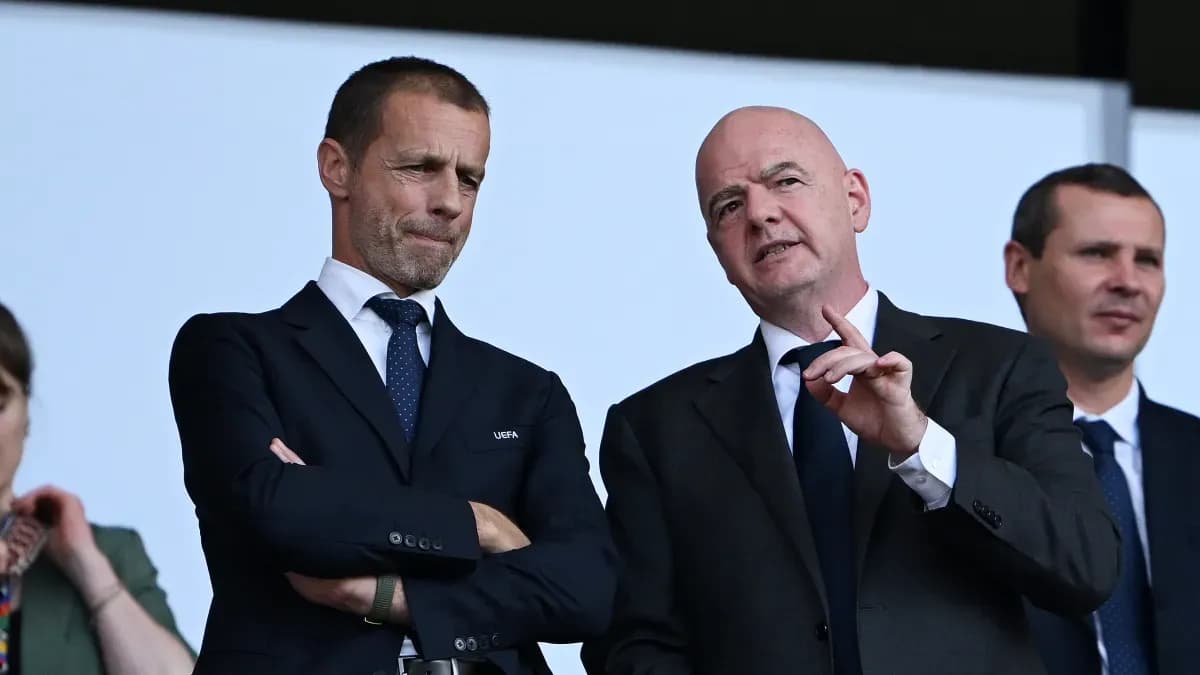
The discord reflects deep-rooted conflicts over priorities, with leaders like FIFA president Gianni Infantino and UEFA president Aleksander Ceferin often at odds.
UEFA Urges Members to Withdraw Support for Infantino
After the failed FFE initiative—which proposed selling parts of the World Cup to private investors—UEFA encouraged its member associations to retract their backing of Infantino. The Welsh Football Association led this move, followed by expected support from the English FA and much of Europe’s membership.
There’s talk of UEFA considering legal action against Infantino. Reports mention a document preservation notice sent to him, asking FIFA to keep all relevant records intact should a lawsuit emerge.
Clash of Interests: Why UEFA Is Challenging FIFA
The divide stems from differing focuses. For FIFA, the World Cup is the crown jewel, generating enormous revenue and shaping international football. Conversely, UEFA prioritizes club competitions, especially the lucrative Champions League and Europe’s top domestic leagues.
Both want more time in the crowded football calendar, which leads to frequent clashes. When FIFA shifted the 2022 World Cup to winter to avoid Qatar’s summer heat, it disrupted club schedules and provoked UEFA’s ire.
Another tension point is voting power. Every nation gets one vote in FIFA decisions regardless of size or influence, which benefits smaller countries in Africa and Asia. Infantino often relies on their support to push major changes, leaving Europe’s powerful but fewer members feeling sidelined.
The FFE’s promised financial benefits appealed more to smaller federations than to wealthier European nations, amplifying this divide.
History of Disputes Between UEFA and FIFA
The rift has been visible for years, with several notable disagreements:
- 2018 SoftBank Deal: Infantino aimed to secure $25 billion from Japanese firm SoftBank to fund new global competitions, including a revamped Club World Cup. UEFA opposed this expansion, seeing it as harmful to the club calendar. Ceferin criticized it as “highly cynical and ruthless mercantilism.”
- World Cup Expansion: UEFA has resisted proposals to increase the size or frequency of the World Cup. When FIFA explored holding it every two years, Ceferin rejected the idea, warning it would reduce the tournament’s prestige and create randomness.
- Folarin Balogun Red Card Reversal: At the 2026 World Cup, FIFA overturned Balogun’s red card after pressure reportedly involving U.S. President Donald Trump. UEFA condemned the decision as crossing a red line and accused FIFA of compromising competition integrity.
- FIFA’s Political Engagements: Traditionally, FIFA kept a distance from politics, demanding independence from governments. UEFA found Infantino’s close ties with world leaders troubling. In May 2025, Ceferin walked out of a FIFA council meeting when Infantino arrived late after meeting Trump, calling the delay “deeply regrettable” and hinting it served private political interests.