Sturm Graz vs Fenerbahçe: UEFA Champions League Qualifying Clash
Sturm Graz host Fenerbahçe at Merkur-Arena in the second leg of the UEFA Champions League 3rd Qualifying Round, with the tie finely poised after the first game in Istanbul. With group stage qualification and the associated financial and sporting uplift on the line, this is a pivotal August fixture that can define each club’s European trajectory for 2026.
Head-to-Head Tactical Summary
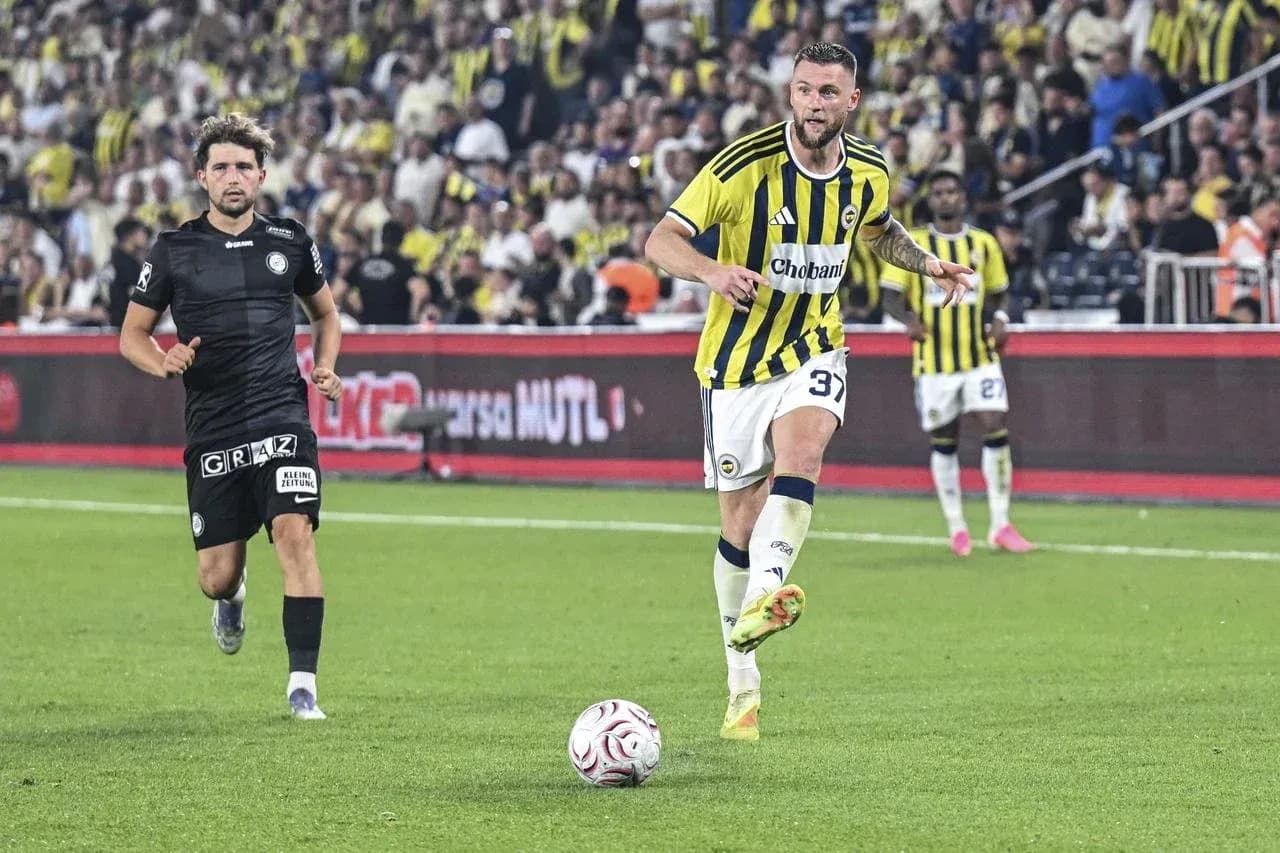
The most recent meeting came on 5 August 2026 in Istanbul in this same 3rd Qualifying Round, where Fenerbahçe beat Sturm Graz 2–0 at Chobani Stadium Fenerbahce Sukru Saracoglu, leading 2–0 at half-time and closing the game out without conceding. In the 2017 UEFA Europa League 3rd Qualifying Round, the sides also met over two legs: on 27 July 2017 in Graz, Sturm Graz lost 1–2 at Merkur-Arena after trailing 1–2 at the break; a week later on 3 August 2017 in Istanbul at Şükrü Saracoğlu Stadı, Fenerbahçe drew 1–1 with Sturm Graz, having led 1–0 at half-time. Across these three matches, Sturm have yet to beat Fenerbahçe, with two defeats at home and one draw away, and in every game Fenerbahçe have scored first and controlled the first half.
Global Season Picture
- League Phase Performance: There is no current group-stage standings data available for either side in the 2026 UEFA Champions League, so their performance is best read through early qualifying results rather than points or goal tallies in a league table.
- Season Metrics: In the league phase so far, Sturm Graz have played 3 Champions League qualifiers, winning 2 and losing 1, with 6 goals scored and 2 conceded. They have been explosive at home, averaging 4.0 goals scored and 0.0 conceded per home game, and more measured away with 1.0 scored and 1.0 conceded on average. Discipline-wise, their yellow cards are concentrated between minutes 16–75, indicating intensity through the middle phases of games. Fenerbahçe have also played 3 qualifiers, with 2 wins and 1 draw, scoring 4 and conceding just 1. They average 1.5 goals scored and 0.0 conceded at home, and 1.0 scored and 1.0 conceded away. Their disciplinary profile shows yellow cards particularly late (91–105 minutes), suggesting a team that maintains high competitive edge deep into matches.
- Form Trajectory: Sturm Graz’s form line of “WWL” indicates two opening wins followed by the 2–0 defeat in Istanbul, a pattern of early momentum now under pressure. Fenerbahçe’s “WDW” shows an unbeaten run with a draw sandwiched between two wins, and importantly they have yet to lose in this qualifying campaign while keeping two clean sheets in three games.
Tactical Efficiency
Across these qualifiers, Sturm Graz profile as a high-variance attacking side at home, capable of a 4–0 win and averaging 2.0 goals per game overall, but with their only loss coming away to Fenerbahçe by 2–0. Their defensive record of just 2 goals conceded in 3 matches suggests structure is generally solid, yet they have struggled to contain Fenerbahçe’s front line in direct head-to-head play. Fenerbahçe’s attack has been more controlled but highly efficient: 4 goals in 3 games with no matches without scoring, and a defensive unit that has allowed only 1 goal in total, backed by two clean sheets. This balance points to a side that manages game states well, particularly when ahead, while Sturm rely more on aggressive home attacking surges to tilt ties in their favour.
The Verdict: Seasonal Impact
This second leg has major seasonal implications for both clubs. For Sturm Graz, overturning the first-leg deficit would sustain their push toward the Champions League group stage, preserving a pathway to significant revenue, European visibility, and a higher competitive ceiling for 2026. Failure to progress would likely relegate them to a lower-tier European competition, reshaping expectations from ambitious continental run to consolidation and domestic focus. For Fenerbahçe, converting their first-leg advantage into qualification would reinforce their status as a regular Champions League presence, underpinning a season framed around competing at the highest European level rather than merely qualifying. A collapse in Graz, by contrast, would reframe their campaign as one of missed opportunity, with pressure shifting onto domestic performance and secondary European targets. The outcome here will therefore set the strategic tone of 2026 for both clubs: either as Champions League participants with elevated ambitions, or as sides recalibrating around alternative European and domestic objectives.