Spain Claims Second World Cup Title After Extra-Time Victory Over Argentina
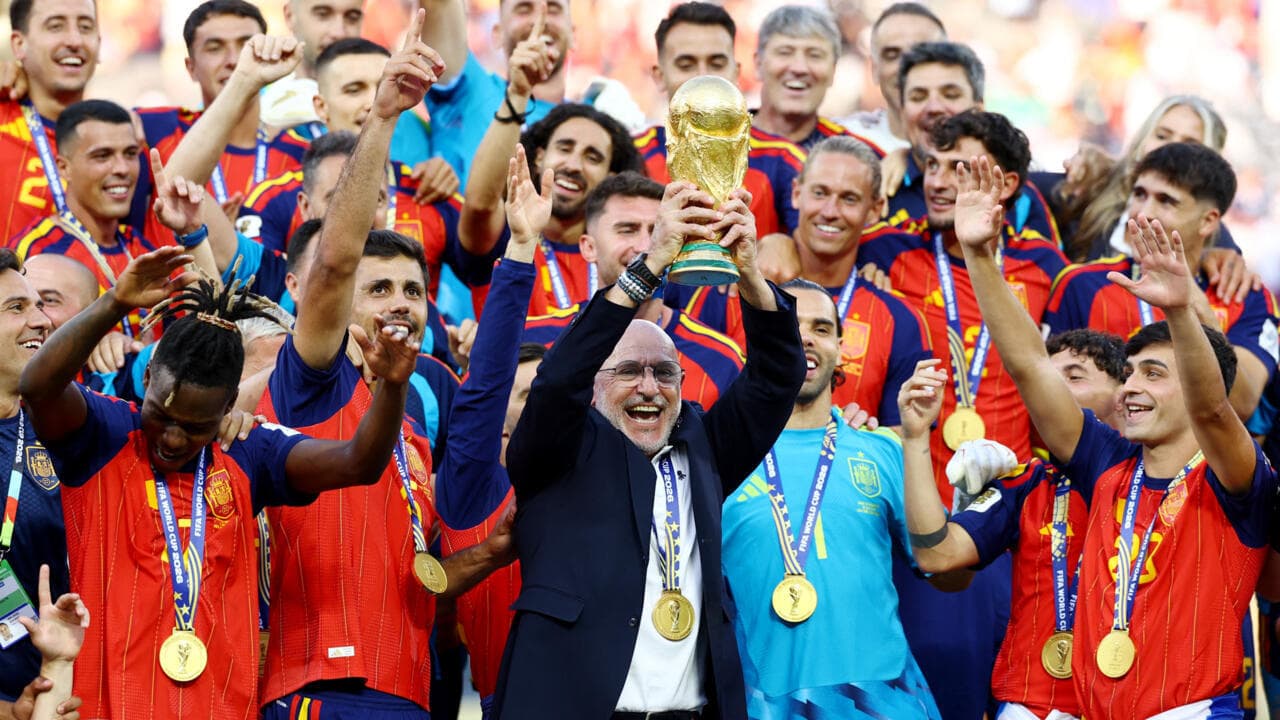
Spain secured their second World Cup crown on Sunday, defeating defending champions Argentina 1-0 after extra time at MetLife Stadium in New Jersey. The winning goal came from Ferran Torres in the 106th minute, delivering a decisive strike that ended a fiercely contested final. This triumph marked Spain's return to the top sixteen years after their first title in 2010 and completed a rare Euro-World Cup double under coach Luis de la Fuente.
The Barcelona forward's powerful finish shattered Lionel Messi's hopes of a fairy-tale farewell on football's biggest stage. Despite Messi's legendary status and a star-studded crowd of 80,663 spectators, including US President Donald Trump, Spain dominated the match. Argentina struggled to mount any real offensive threat, failing to register a single shot on target throughout the entire 120 minutes.
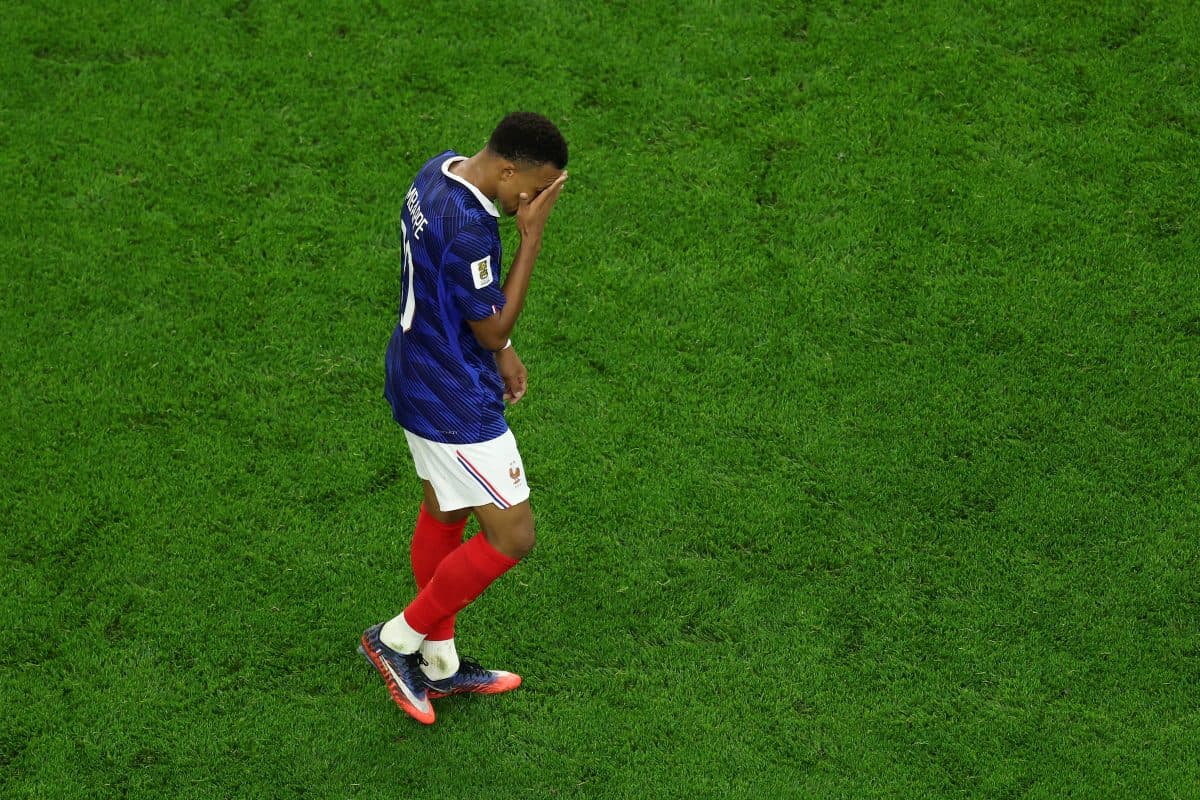
Spain took control early, while Argentina resorted to numerous cynical fouls in an attempt to disrupt the flow. Their tactics backfired when midfielder Enzo Fernandez received a red card in stoppage time for a harsh tackle on Spain defender Pau Cubarsi, leaving Argentina with ten men heading into extra time.
Key Moments and Controversies
Spain’s pressure mounted as the game progressed. A goal by Nico Williams was controversially ruled out in extra time for a marginal foul, but moments later a lofted cross from Pedro Porro found Williams, who headed the ball down to Torres to score the winner.
"Ultimately, the goal belongs to 47 million people—not just me or the 26 players," said Torres, referencing Spain's population. "All finals are tough; playing against Messi brings nervousness, but we always believed in our football and ourselves."
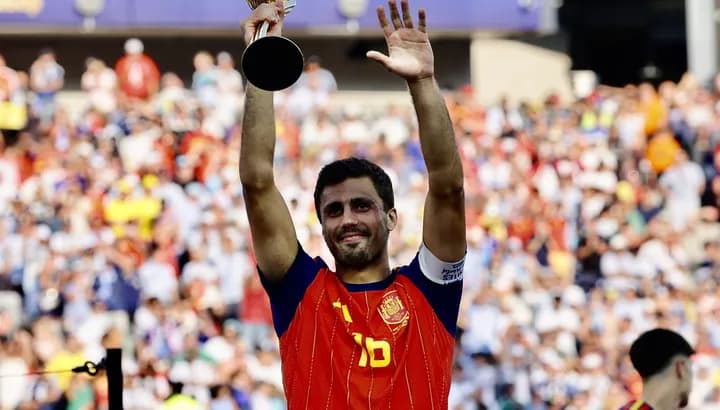
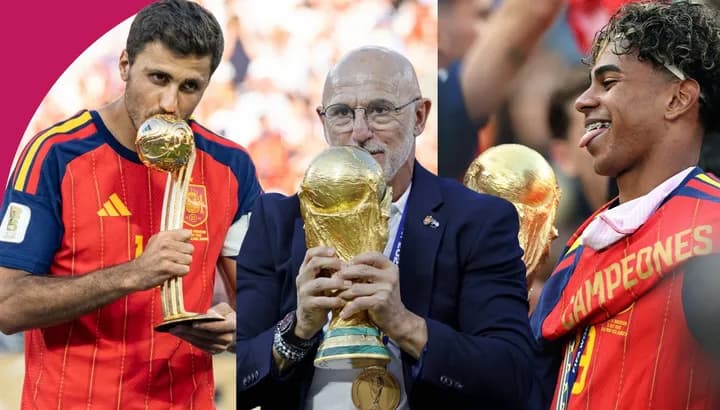
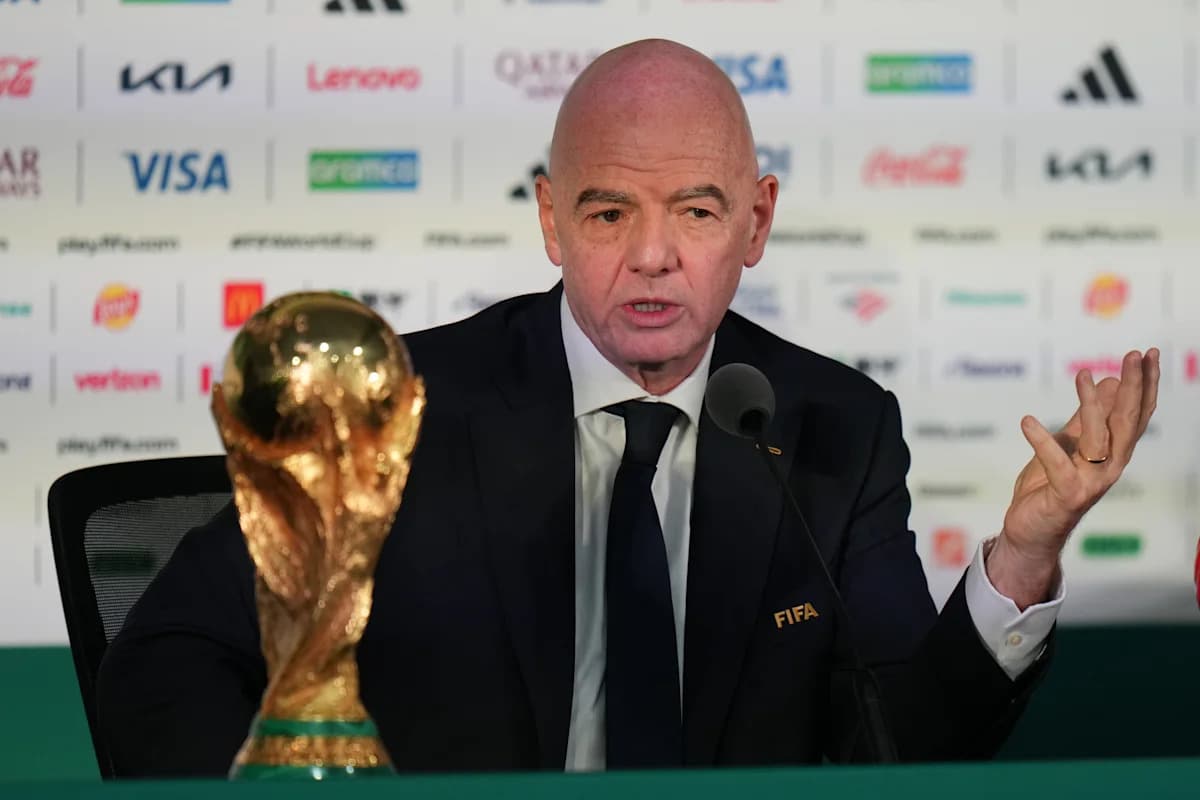
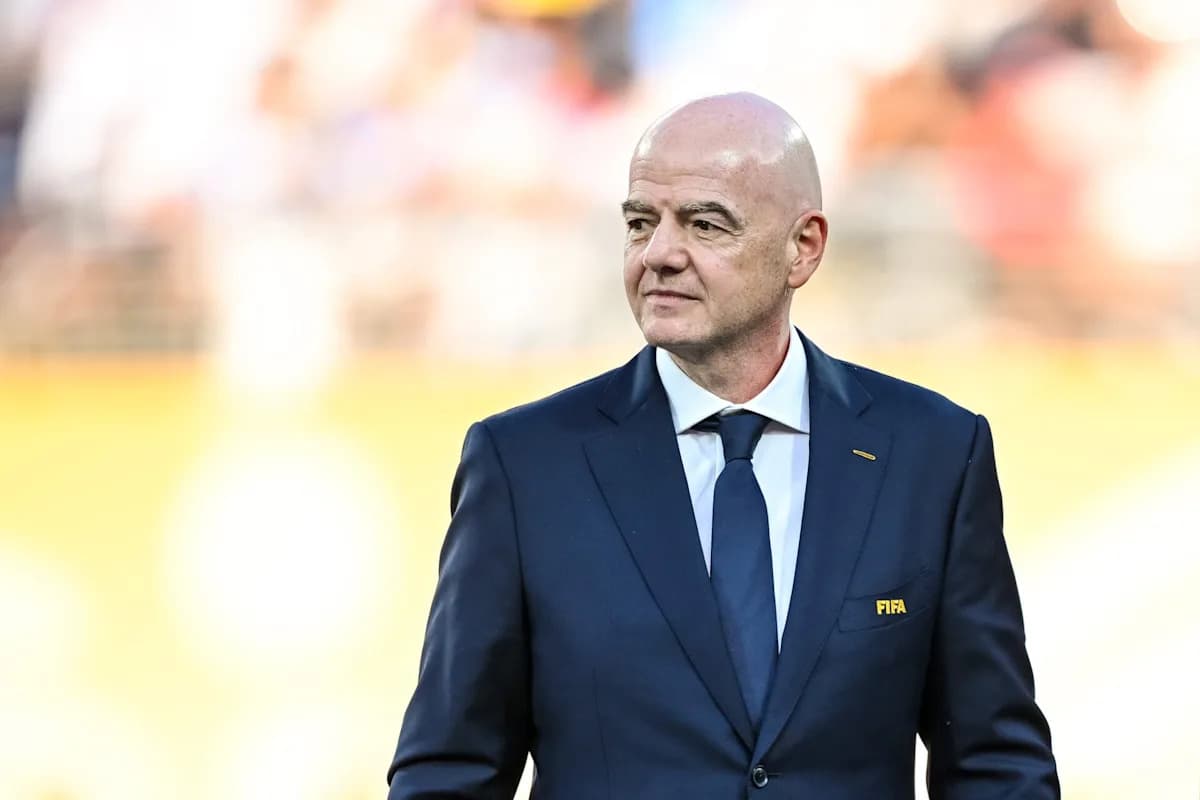
Messi was visibly emotional during the medal ceremony, tears streaming as he accepted the runners-up medal. President Trump and FIFA President Gianni Infantino presented the trophy to Rodri, Spain’s captain and midfield leader, who had helped orchestrate their superb performance.
Match Dynamics and Physical Play
Before the final, many expected Argentina to use physicality to unsettle Spain’s technical style. Early on, Alexis Mac Allister delivered a studs-up challenge on Dani Olmo’s ankle but escaped a yellow card. Argentina continued with aggressive fouls, testing referee Slavko Vincic's patience, although several rough challenges went unpunished.
Spain maintained composure despite a lengthy halftime entertainment segment featuring Madonna, Shakira, and Justin Bieber that extended for 27 minutes. Substitutions including Pedri and Ferran Torres injected energy, creating chances with long-range shots that Argentina goalkeeper Emi Martinez managed to deflect.
The late dismissal of Fernandez gave Spain an advantage going into extra time, where they dominated further. Williams nearly scored with a header saved by Martinez. Spain’s persistence paid off with Torres's goal, while Argentina's desperate attempts to equalize were held off resolutely.
Final Thoughts
Coach Luis de la Fuente praised his squad: "We have won everything, and that is wonderful. They are a generation of footballers who are a source of pride for Spain. Together, we are stronger." The victory rewrites Spain’s football legacy and denies Messi a second World Cup, ending an era with heartbreak for Argentina but celebration for La Roja.