Understanding Spain's National Anthem: La Marcha Real’s History and Meaning
La Marcha Real stands apart from most national anthems as it carries no official lyrics. Instead, this anthem is performed purely as an instrumental piece, with players and fans standing in respect rather than singing along. This uniqueness has deep roots in Spain’s diverse cultural and political landscape.
The Story Behind La Marcha Real
Originating in the 18th century, La Marcha Real began as a military march. It remains one of the world’s oldest anthems still in use today. The title means "The Royal March," highlighting its historical ties to Spain’s monarchy and royal ceremonies.
Over time, several efforts were made to add lyrics, but none gathered enough support across Spain’s varied regions, languages, and political views. Because of this, it continues to be played instrumentally at official events and international sports matches.
The Anthem’s Role in Spanish Football
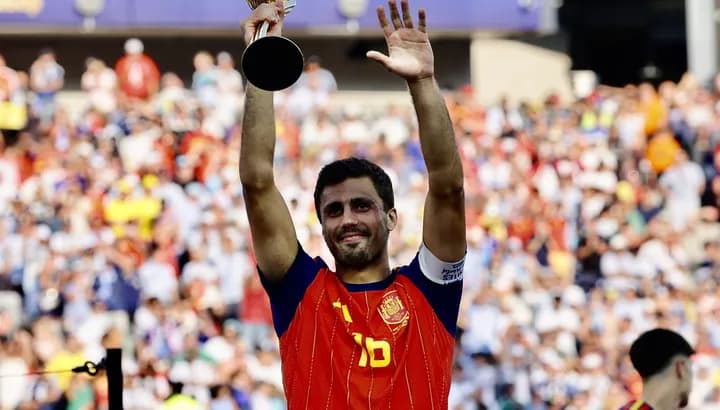
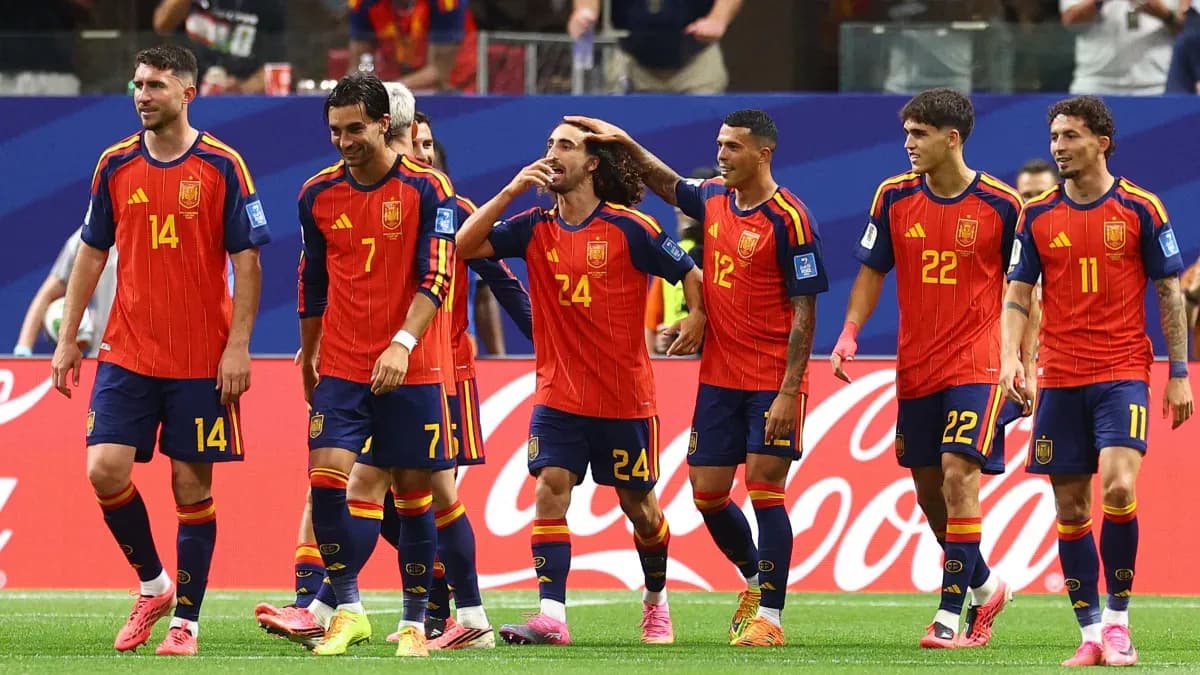
Spain has a rich football history, producing iconic players such as Iker Casillas, Xavi, Rodri, and Lamine Yamal. Before major games, these stars stand proudly as La Marcha Real plays. Although there are no words to sing, the anthem represents Spain’s national pride on the global stage during tournaments like the FIFA World Cup and UEFA European Championship.
Musical Significance
The anthem’s regal name points to its origins within royal tradition, connecting modern-day Spain with its historic past. It remains a powerful symbol despite lacking official lyrics, conveying unity through its melody alone.
Listen to the Full Version
The complete instrumental version of La Marcha Real captures the essence of Spain’s national identity. Fans and players alike honor it by standing silently, embracing the tune’s solemnity and significance.