PSG’s Champions League Edge Reveals Its Biggest Challenge
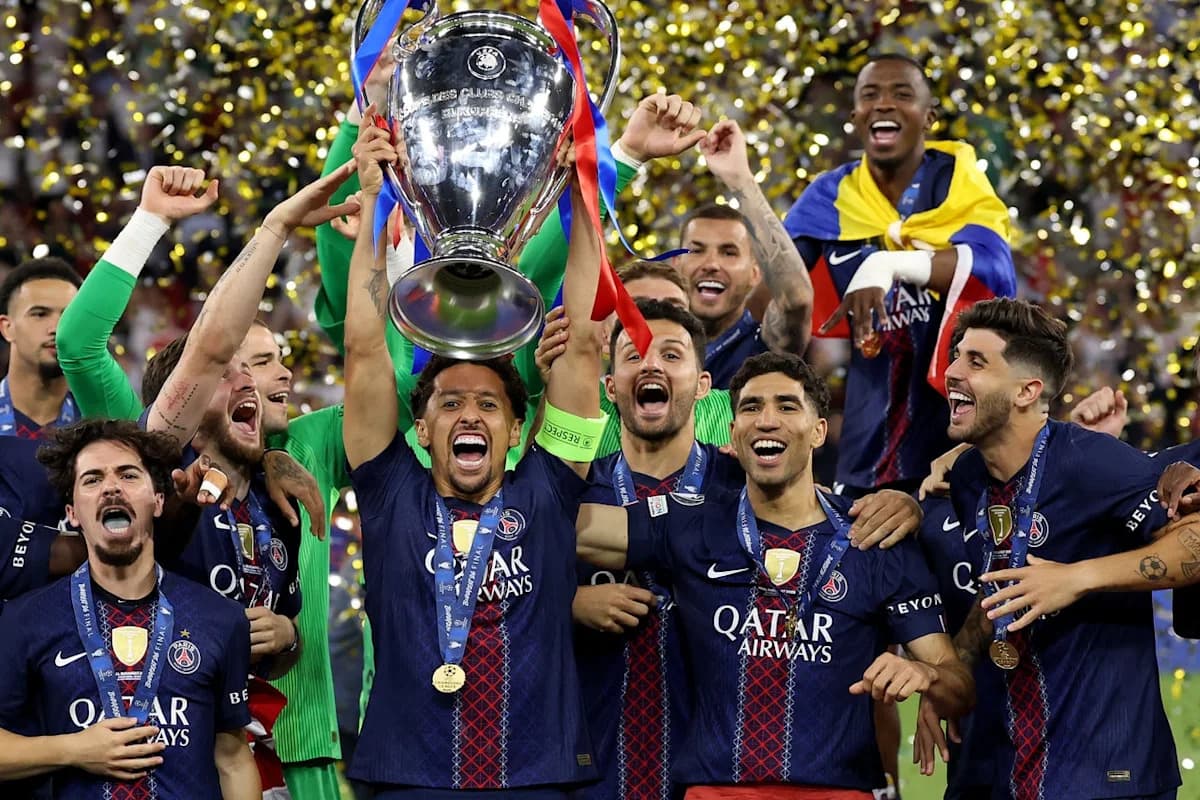
After the 2026 Champions League final, Mikel Arteta found himself consumed by a pressing question: how do you overcome Paris Saint-Germain to become European champions? This inquiry holds even more weight as PSG chases an unprecedented third straight title in the revamped 36-team format.
Yet the real issue might not be if PSG are the best—they likely are—but whether the current structure unintentionally favors superclubs from leagues like Ligue 1 or the Bundesliga. This touches on wider debates about financial clout and English dominance but feels less relevant considering PSG’s unique approach.
Group Stage: A Formailty for PSG
PSG barely seem to focus on the Champions League until February. Despite winning the last two titles, they finished 15th and 11th in their opening group phases, forcing them through tough play-offs. Still, they excel when it counts most, rising above others who struggle to reach that level.
This trend highlights the changing nature of the early rounds. The group stage lacks the excitement seen in the 1990s and early 2000s, partly because prize money has created tiers of clubs, reducing surprises from outsiders. Still, there’s enjoyment in following new entrants like Como, LASK, Viking, and Sabah making their debuts.
Other Stories and Shifts
Manchester United returns to Old Trafford, reigniting their connection with the competition, while Jose Mourinho aims to secure his third Champions League trophy after 16 years. This season marks the first without Pep Guardiola since 2012. Maybe Manchester City will benefit from his absence, while Liverpool’s Andoni Iraola faces the challenge of balancing the Champions League's demands with the Premier League.
The ‘Wallpaper’ Nature of the Group Phase
The regularity of matches can make the Champions League feel like an extended domestic league—almost wallpaper football, always present yet sometimes overlooked. The early rounds mainly set the knockout bracket, and some top clubs even rest key players, saving energy for tougher matches later.
English teams dominate this stage, with none eliminated so far. Even Tottenham, despite a tough previous season, finished fourth in their group. Yet this position doesn't reflect true strength—as Atletico Madrid, 14th in the group, showed in the last 16. Spurs were battling relegation domestically, highlighting the Premier League’s competitiveness.
Premier League Challenges
The Premier League’s tight competition and financial depth make it demanding, often wearing teams down. The expanded group stage also serves as a subtle check on English power, amid broader football politics where many top European clubs resist England’s dominance. The Super League was one attempt; the larger Champions League acts as another rival, matching the Premier League’s lucrative broadcast deals.
This expansion affects scheduling and player fatigue, areas where the Premier League struggles compared to others. Clubs like Real Madrid, Barcelona, and PSG boast higher revenues and wages, which help retain star players longer. That talent gap is crucial in Europe’s top contests.
Barcelona’s Revival with Rodri
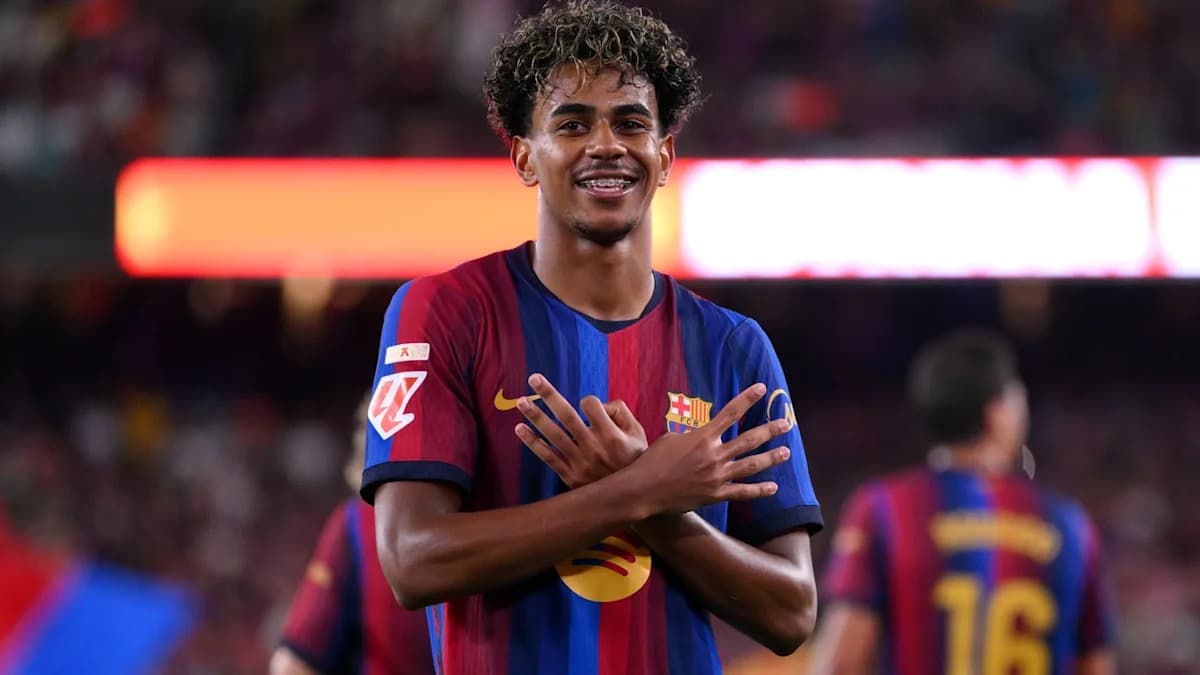
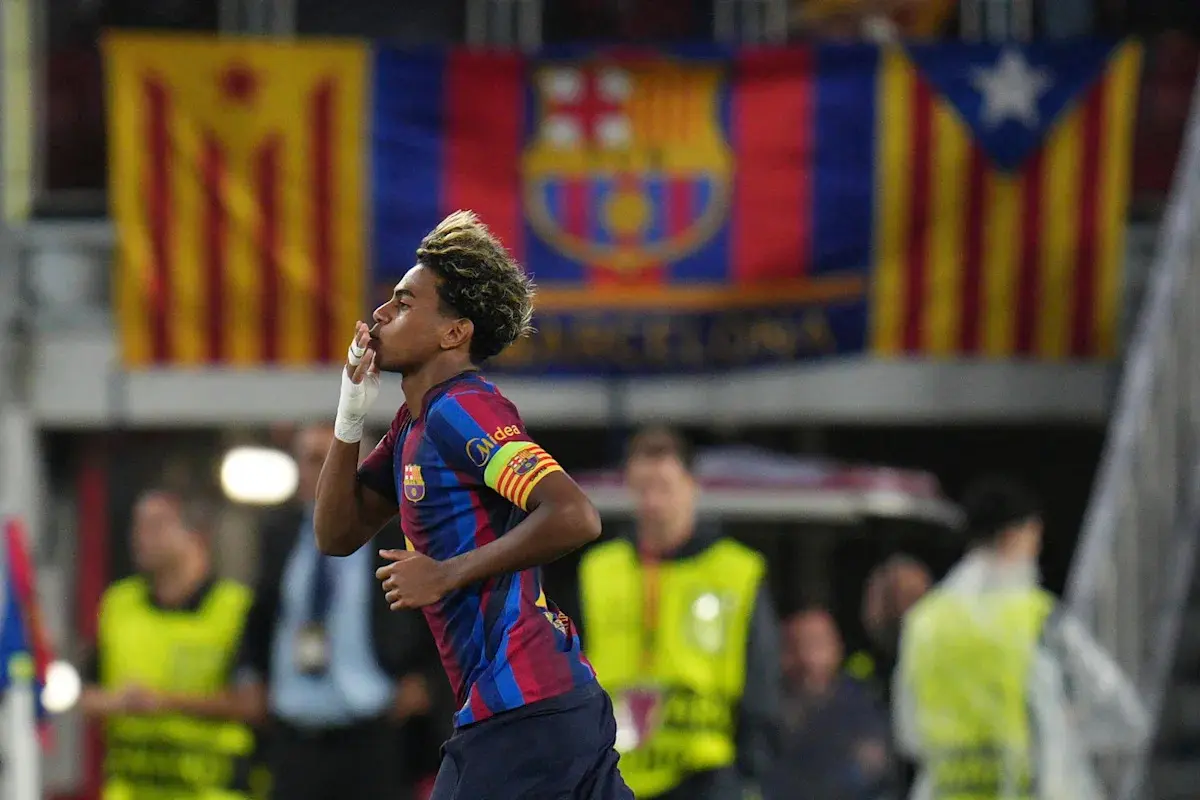
Rodri’s move to Barcelona has been a turning point. His presence strengthens a team that hasn’t felt like serious Champions League contenders since 2019. While young talents like Lamine Yamal and coach Hansi Flick have helped restore respectability, Rodri’s ability to control the midfield offers Barcelona a fuller solution. His signing could significantly impact this season’s competition.
Facing PSG’s Dominance
With PSG as the clear favorites, everyone else must figure out how to counter their experience and skill. Despite a slow start this season, PSG remains the only team familiar with finishing strong in this calendar. This reality pushes rivals like Arsenal’s Mikel Arteta to focus on raising their squad’s level if they want to challenge the French powerhouse.