PSG’s Champions League Edge Also Creates Its Main Challenge
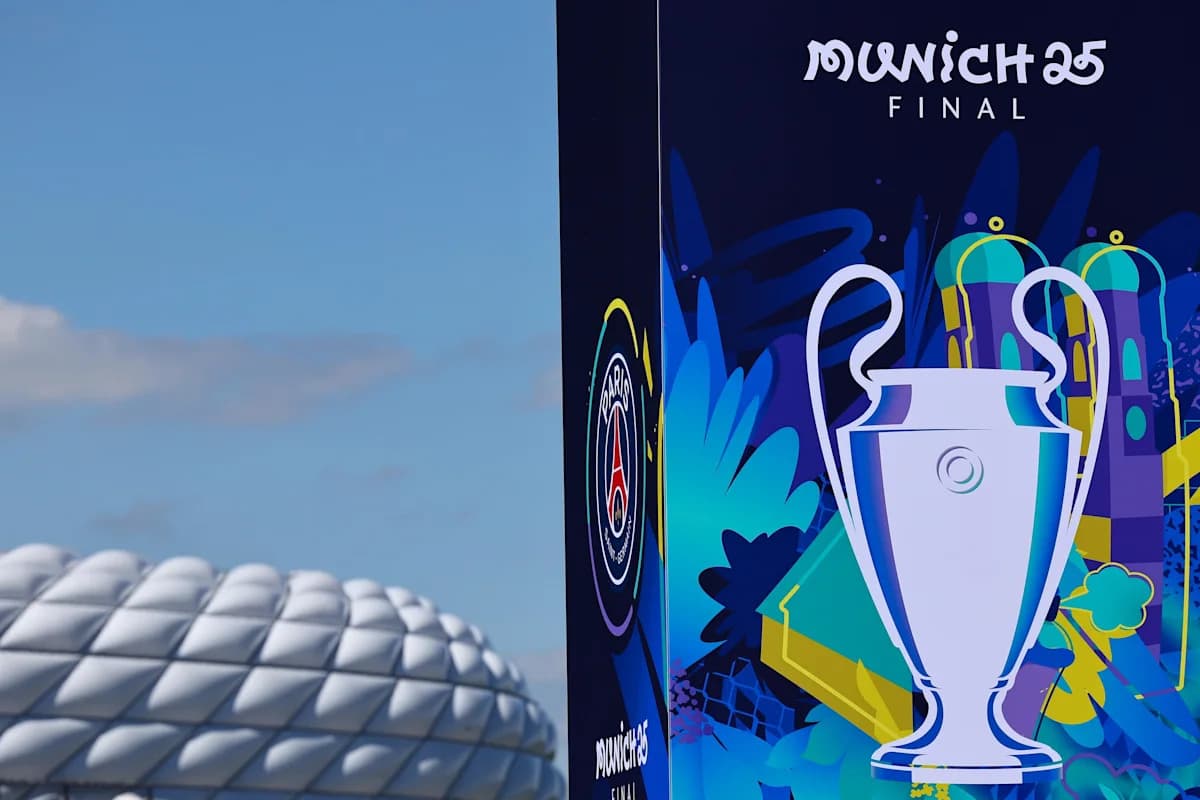
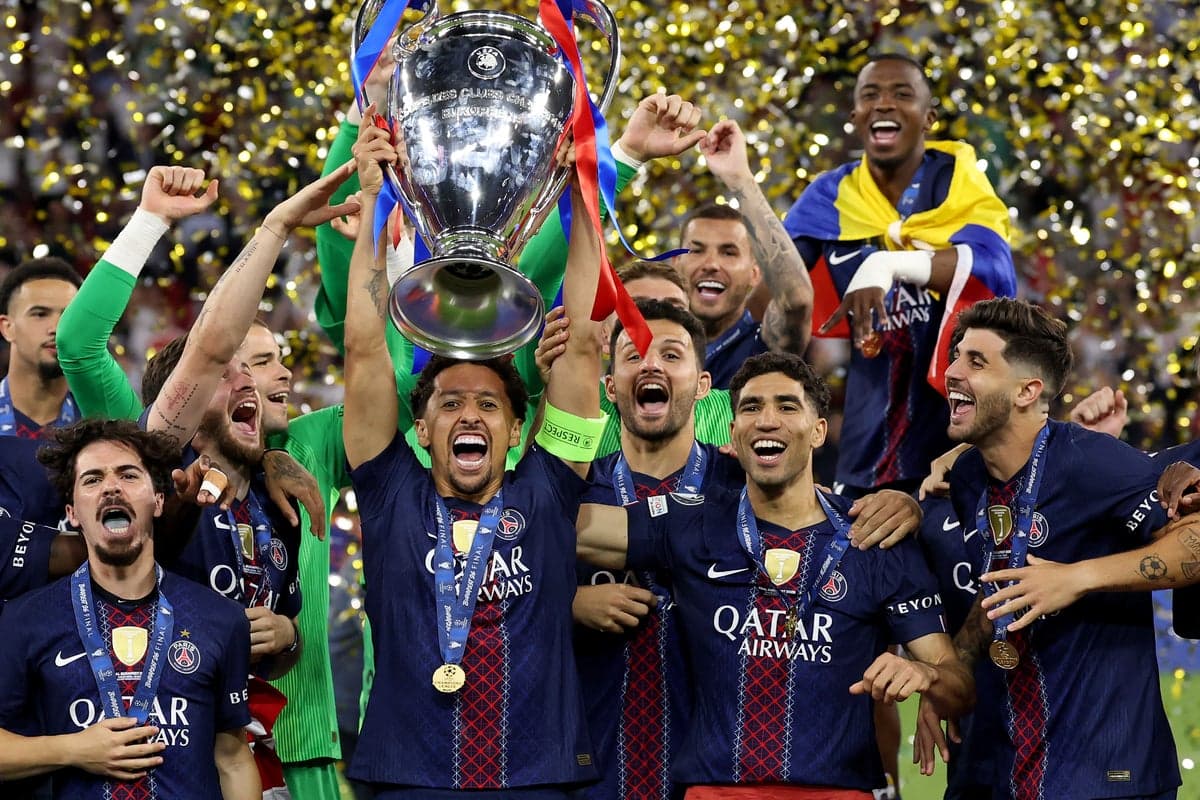
Mikel Arteta found himself fixated on one question after the 2026 Champions League final: how does one beat Paris Saint-Germain? This was almost overshadowing Arsenal's Premier League triumph. As the Champions League enters its third season with 36 teams, PSG is aiming for an unprecedented third straight title. The real debate might not be about PSG’s supremacy, which is likely, but whether the current format favors dominant clubs from leagues like Ligue 1 or the Bundesliga.
The Group Stage and Its Changing Significance
The group phase has become somewhat irrelevant. In PSG's two recent victories, they finished 15th and 11th in the league phase, needing to clear the tough play-off rounds. They seem to ignore early matches, focusing on rising when it counts most. This doesn’t mean the group stage is without interest. There are stories, drama, and new faces like Como, LASK, Viking, and Sabah making their mark.
Still, the group phase feels more like a build-up to the knockout rounds rather than an event in itself. UEFA's new tennis-style fixed route adds structure but luck and how clubs manage player fatigue also play big roles. Some top teams may even rest stars during these early matches, aiming to peak later.
English Clubs’ Struggle With Group Phase and Fatigue
English clubs dominate the upper ranks of the group phase table. None have been eliminated at this stage recently, with even Tottenham finishing fourth last season despite a poor run. But finishing high here does not always translate to success later. Atletico Madrid, finishing 14th, showed strength by eliminating Spurs in the round of 16.
The Premier League presents a more demanding environment, with competition spread evenly across clubs. This rigorous schedule may contribute to English sides struggling to balance domestic and European demands.
Broader Football Dynamics Behind the Scenes
The expanded Champions League has become an unintended check on Premier League dominance, reflecting wider football politics and rivalries, including tensions between FIFA and UEFA. The Super League project was one attempt to counter English power, but this tournament now serves as a powerful alternative, mirroring the Premier League’s lucrative broadcasting deals.
This intensification also puts pressure on players and clubs, especially since other leagues offer better conditions for stars. Clubs like Real Madrid, Barcelona, and PSG generate more revenue and can pay higher wages, helping them retain top talent longer.
Barcelona’s Revival and What It Means for the Competition
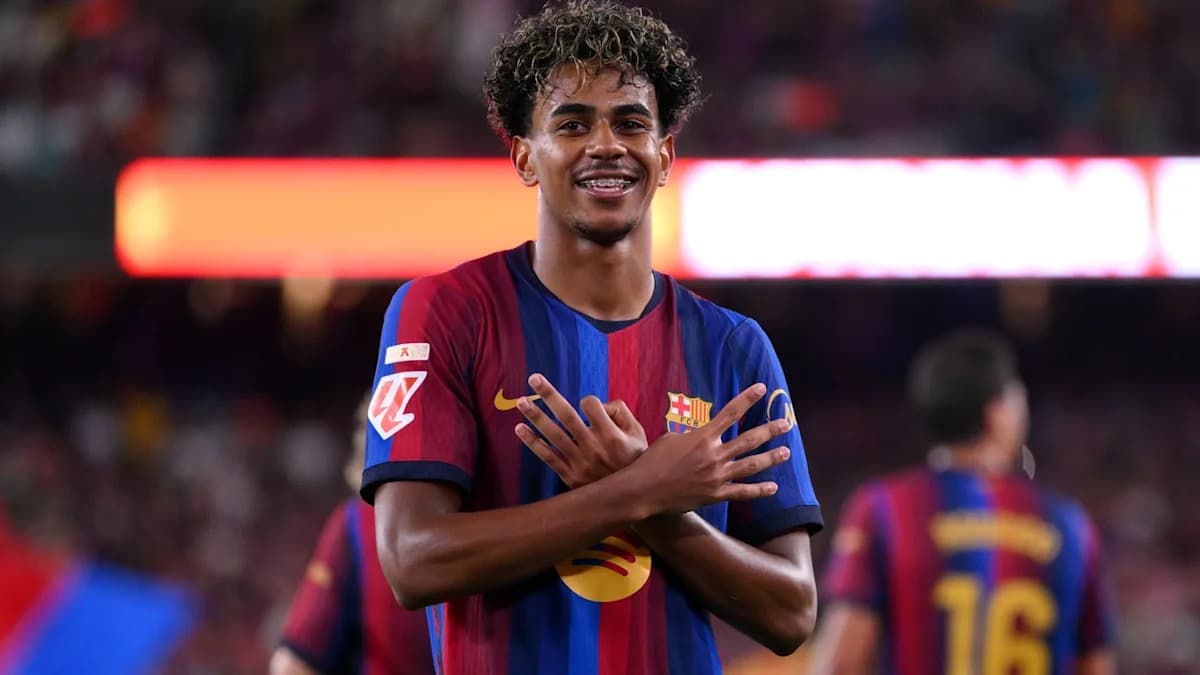
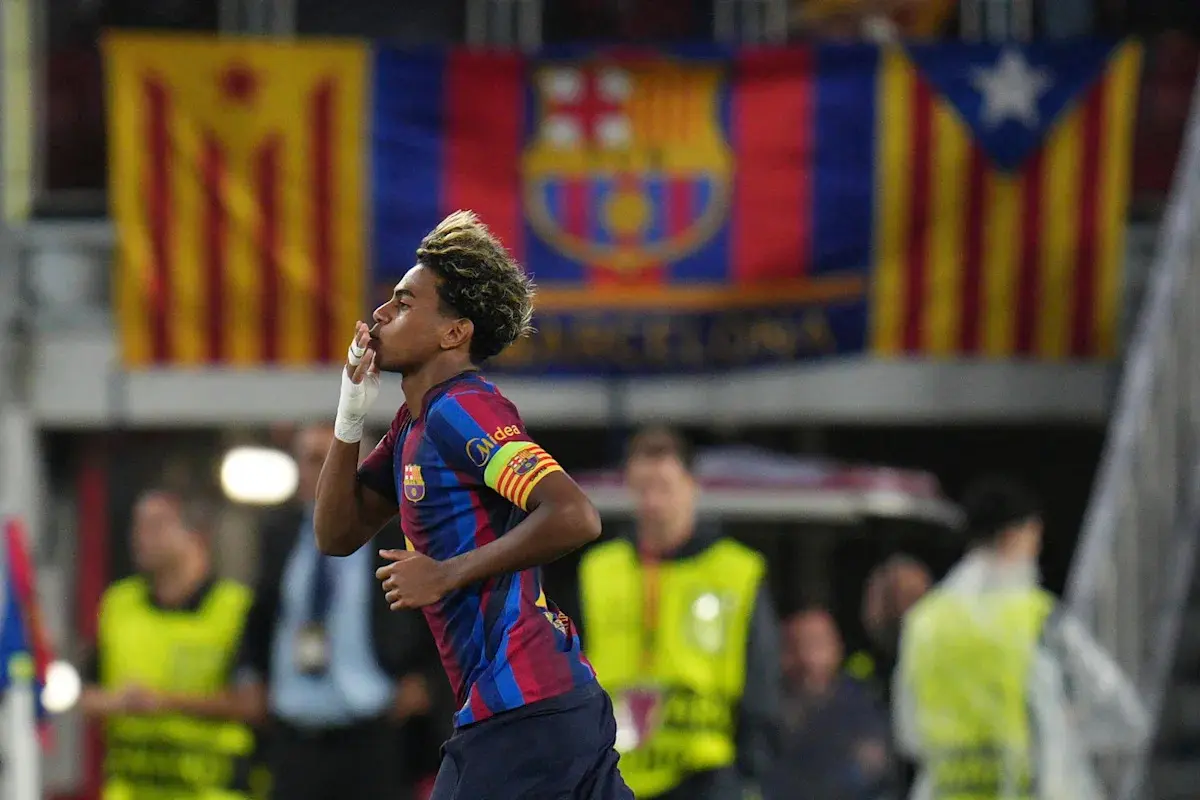
The arrival of Rodri at Barcelona might be pivotal this season. While Barcelona have struggled in the Champions League since 2019, the combination of young talent like Lamine Yamal and coach Hansi Flick has brought renewed respectability. Rodri’s presence addresses many tactical issues, potentially making Barcelona serious contenders again.
With PSG likely remaining the team to beat, others will need to find ways to overcome them. Arteta has emphasized the importance of raising team levels to compete. PSG may have had a slow start, but they know how to finish strong, a vital edge in this demanding calendar.