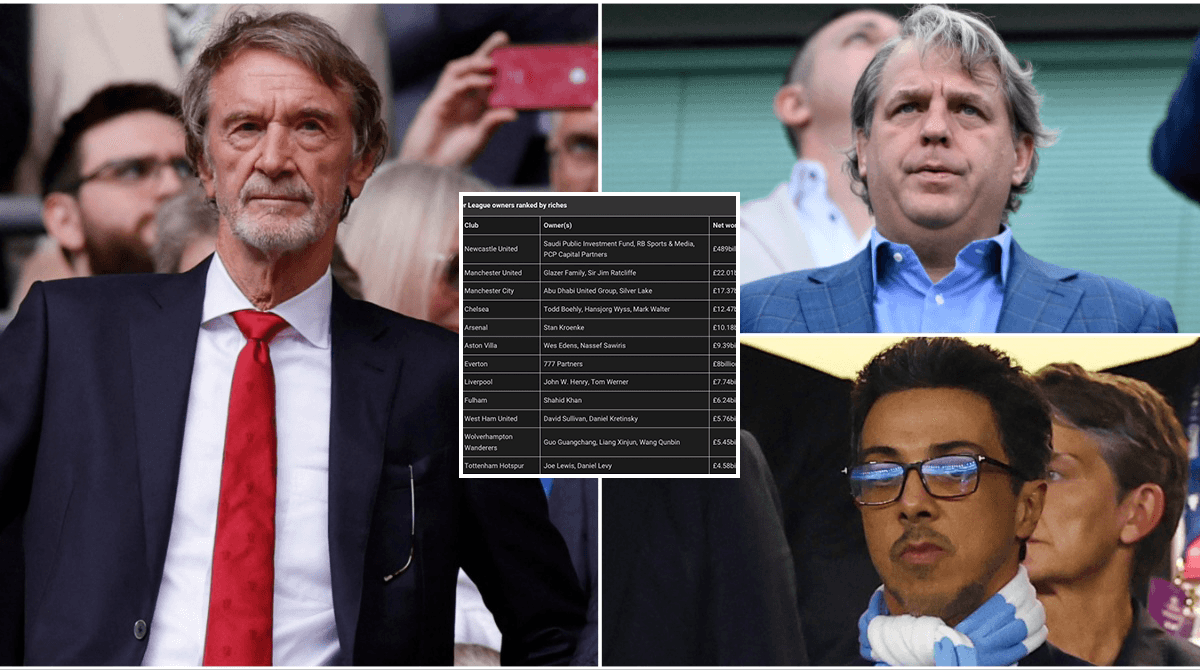
How Premier League Financial Rules Shield the Big Six and Force Aston Villa and Newcastle into Player Sales
With the summer transfer window closed until January, clubs like Aston Villa and Newcastle United are feeling the weight of the Premier League's financial regulations. These rules, aimed at promoting sustainability, seem to protect the so-called "Big Six" (Manchester United, Liverpool, Arsenal, Tottenham Hotspur, Chelsea, and Manchester City) while limiting the ambitions of other top-flight teams.
Last season's opener at Villa Park saw fans from both sides chanting accusations of corruption towards the league. This reflected widespread frustration about the Profit & Sustainability Rules (PSR), which many believe have forced clubs like Villa and Newcastle into selling key players against their will and restricted their ability to strengthen squads.
Former Newcastle manager Eddie Howe remarked before the game, "The challenges teams face with those restrictions – as we know better than any – is selling players you don’t want to sell, not being able to recruit players you’d like to buy to freshen up the squad."Similarly, Unai Emery of Villa urged a review of these financial controls, highlighting how they hinder clubs making good management decisions from dreaming bigger or aiming higher.
New Financial Measures Come Into Play
The Premier League introduced new systems ahead of the 2026-27 season—namely Squad Cost Ratio (SCR) and Sustainability and Systemic Resilience (SSR). Yet critics suspect these changes may do little to narrow the financial gap between the elite and the chasing pack, possibly even widening it over time.
Origins of Financial Control
The PSR started in 2013, mirroring UEFA’s Financial Fair Play but with a more lenient approach. Clubs were restricted to losses no greater than £105 million across three years, designed to let non-European qualifiers still compete sustainably. But inflation and growing revenue disparities mean these limits now feel outdated, especially for newly wealthy clubs.
The Saudi Arabian Public Investment Fund's acquisition of Newcastle in 2021 didn’t bring unlimited spending power immediately. The club’s revenue lagged behind the established giants, preventing them from investing as heavily in players as clubs like Manchester City or Chelsea once could under their owners.
Kieran Maguire from The Price of Football explained, "Whatever the original intentions of the rules, they have effectively prevented clubs with new ambitious owners from replicating the likes of Roman Abramovich and Sheikh Mansour by investing huge sums in players and incurring huge losses to elevate their clubs into serial trophy winners."
Summer Sales Highlight Inequality
This past summer, both Newcastle and Villa had to rebuild after losing vital players. Newcastle parted with Alexander Isak, Anthony Gordon, Bruno Guimaraes, and Sandro Tonali. Villa's situation was even more severe, selling six starters from the team that lifted the Europa League trophy in May 2023, including Emiliano Martinez and Lucas Digne. Fans felt the sting keenly, especially when Chelsea signed Morgan Rogers despite missing out on Champions League football.
Meanwhile, Spurs embarked on a heavy spending spree despite finishing 17th in recent seasons, deepening fans' sense of unfairness.
Financial Management and Player Valuation
Villa and Newcastle's financial struggles partly stem from high wage bills consuming over 90% of income and their reputation as poor sellers until recently. Unlike Chelsea or City, these clubs can’t stockpile talent or profit massively on transfers.
Maguire observed, "Players are like works of art in that they have no agreed value," noting that Premier League rules allow more flexible player swap deals, sometimes creating profits useful for meeting cost controls.
Will SCR and SSR Change the Landscape?
The switch to SCR and SSR limits squad spending to 85% of football-related revenue plus net player sale profits, compared to 70% for European clubs. Richard Masters, Premier League CEO, said this aims to give clubs more room to invest and keep competition balanced.
These rules assess finances season-by-season rather than over three years, allowing faster enforcement and encouraging real-time financial responsibility. Masters also highlighted renovations like those at Villa Park as examples of clubs benefiting from this flexibility.
Mixed Reactions and Future Concerns
Both Newcastle and Villa supported the new framework, but clubs like Brentford, Brighton, Bournemouth, Fulham, and Leeds opposed it, raising red flags about its impact. Crystal Palace chairman Steve Parish warned that selling players will become a necessity, pushing clubs to rely on academy products for profit more than ever.
Masters pointed out the chaos that would follow if all cost controls were removed, stressing that clubs want some form of regulation to prevent extreme financial divides. He praised Villa’s recent European runs and expressed optimism about Newcastle's new manager Matthias Jaissle and ongoing squad changes.
Competitive Balance Under Scrutiny
Despite assurances, the fact remains that the highest wage spenders have claimed six of the last nine Premier League titles. Critics argue this undermines competitiveness and credibility. Yet fan loyalty and viewership remain strong, driven by passion for their clubs regardless of financial fairness.
Maguire summed up, "The mentality of most supporters is My club, right or wrong. All that matters to them is winning, meaning how you get there tends to be forgotten quite quickly."
So, while many see the Premier League's financial rules as protecting an elite few and forcing others into difficult sales, the league’s popularity shows little sign of waning. The divide may persist, but the drama and devotion remain as intense as ever.