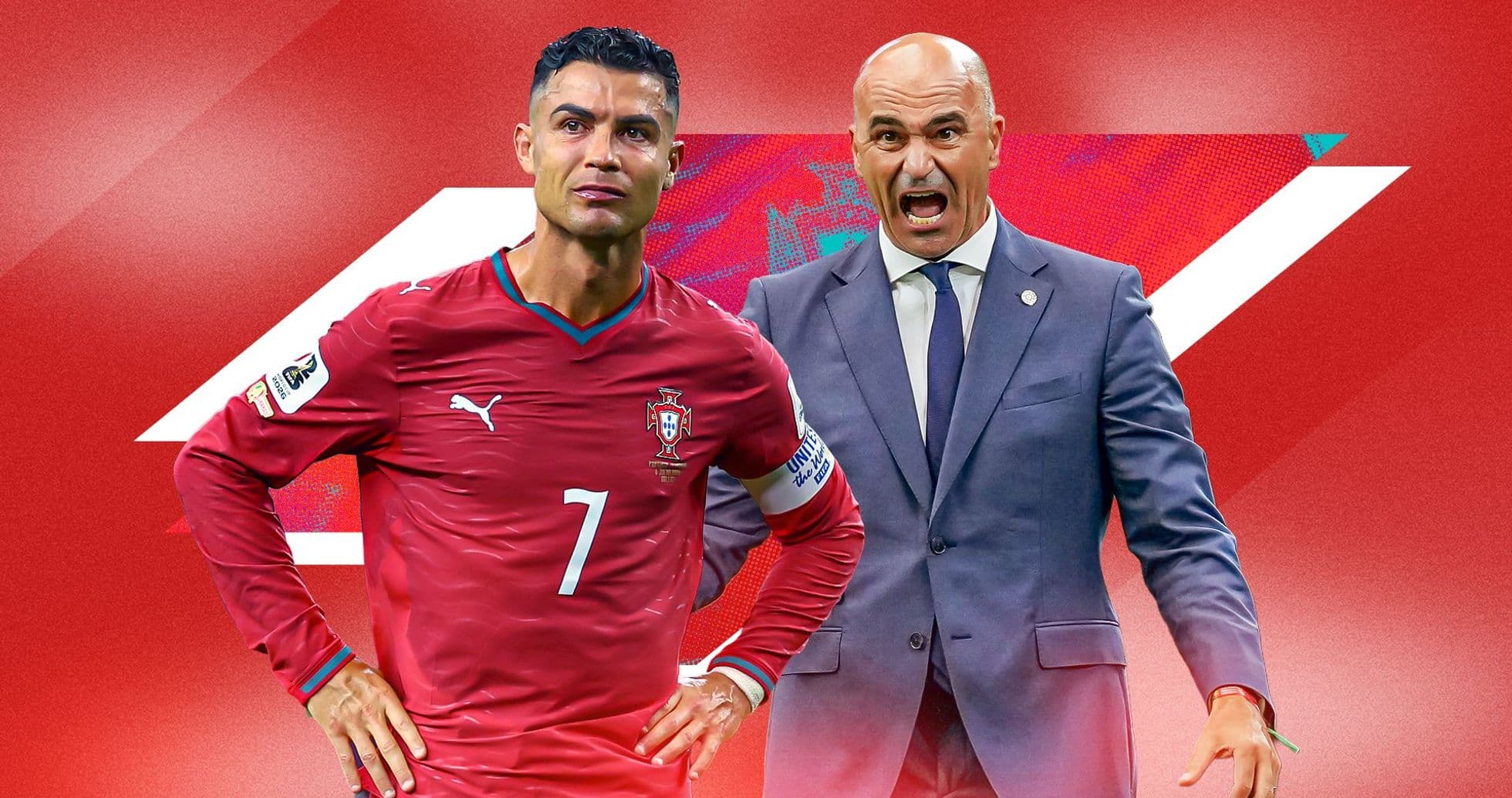
Portugal's Golden Generation Squandered Under Roberto Martinez and Cristiano Ronaldo
Wayne Rooney called Cristiano Ronaldo’s final World Cup appearance a sad moment for football. Yet, Spain’s win over a lifeless Portugal side, combined with Belgium’s strong showing against the United States on July 6, 2026, suggested otherwise. While Ronaldo remains an iconic figure, that day was not all gloom for the sport.
Millions around the world mourned the end of Ronaldo’s World Cup journey. After the disappointment in Qatar 2022, few expected him to reach a sixth tournament at 41, which speaks volumes about his resilience and fitness. Rooney praised him as a genius and a rare talent, highlighting what Ronaldo has contributed to football. Still, Ronaldo’s belief that he could win the tournament was shared only by one other person: coach Roberto Martinez. This misplaced faith ultimately cost Portugal dearly.
Managerial Choices and Team Management
Portugal’s early exit was hardly a surprise. Their Euro 2024 campaign ended in frustration and dissent, setting the stage for a similar outcome at the World Cup. Martinez repeatedly prioritized Ronaldo over younger talents, ignoring signs that the veteran forward was no longer at his peak.
Ramos, who scored a decisive goal against Croatia, never once started over Ronaldo, despite clear evidence that he might have been a better choice. Martinez’s loyalty to Ronaldo was evident from the start, even after Ronaldo’s poor performances in 2022 made it clear his effectiveness had diminished. This stubbornness led to a disastrous Euro 2024, where Ronaldo failed to score despite taking 23 shots.
A Predictable Decline
The Portugal Football Federation should have removed Martinez after that failure, but they didn’t. As a result, Ronaldo remained the focus while gradually becoming less influential on the pitch. The 2026 World Cup opener—a dull draw against DR Congo—signaled trouble ahead.
Ronaldo’s brief moments of brilliance, like his two goals against Uzbekistan, were not enough. Against Colombia and Croatia, he looked disconnected, barely contributing except for a penalty goal in the knockout round. His limited involvement forced Martinez to substitute him late in the game, a move reflecting Ronaldo’s declining impact.
"I am not going to be more Cristiano Ronaldo or less because I win the World Cup," Ronaldo said, defending himself against calls for retirement. "I gave everything... You have been trying to kill me for the past 23 years."
His status as one of football’s greatest scorers is unquestioned, but his legacy is complicated by how his final international years unfolded. Instead of inspiring the team, he sometimes seemed to weigh it down.
From Asset to Liability
Building teams around Ronaldo made sense early in his career, but by 2026, time had caught up. He became a burden rather than a boost, and Portugal’s failure to reach the late stages of major tournaments since their 2016 European Championship win reveals that clearly.
Other stars, like Bruno Fernandes, also underperformed, but the responsibility lies heavily on Martinez and his coaching approach. With such talent available—including Ruben Dias, Nuno Mendes, Vitinha, Joao Neves, and Fernandes—it’s puzzling why the team faltered so badly at both Euro 2024 and this World Cup.
Management Mistakes and a Team That Could Have Done More
Martinez admitted that Portugal had a squad capable of winning the World Cup, yet his failure to deliver proves he wasn’t the right man for the job. His focus on Ronaldo over team dynamics wasted the potential of a gifted group. Players like Bernardo Silva deserved better leadership, and perhaps Ronaldo would have benefited too.
If Ronaldo had accepted a smaller role off the bench, he might have contributed meaningfully. Instead, his continued insistence on being the centerpiece led to underwhelming performances and embarrassment on football’s biggest stage. In a way, his final exit was less a loss and more a release for Portugal, allowing them to look ahead without the weight of misplaced loyalty holding them back.