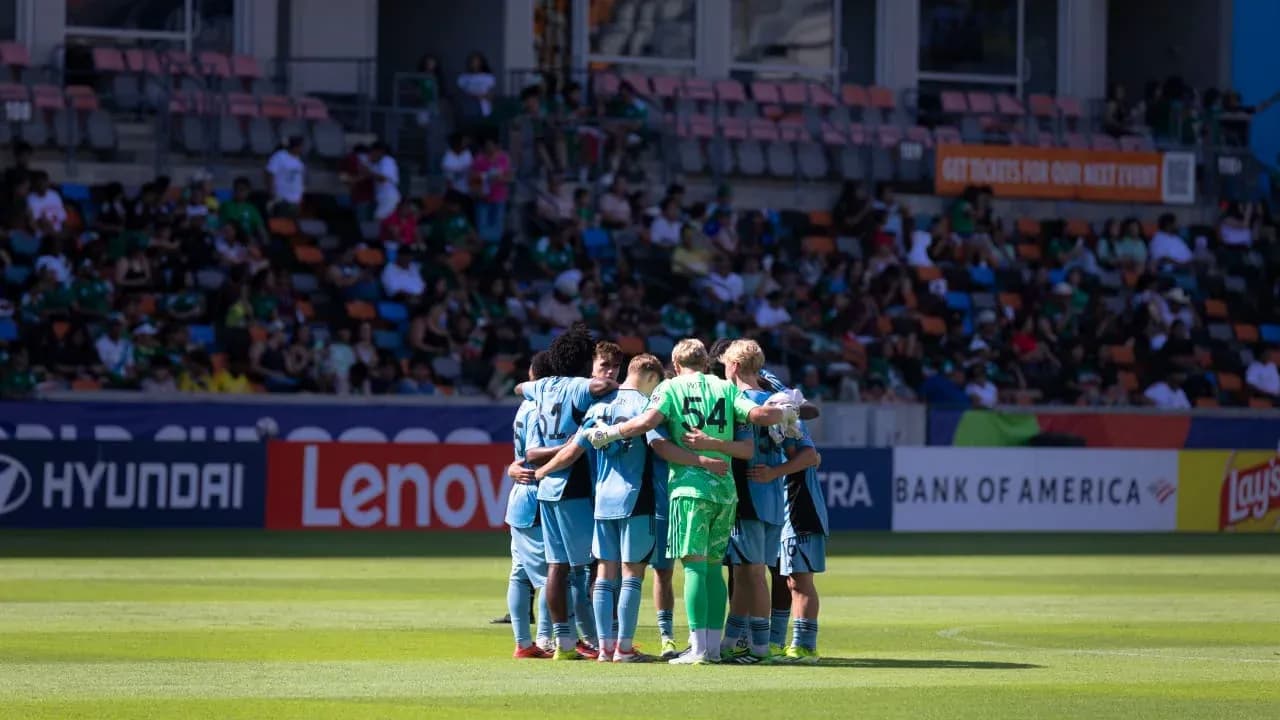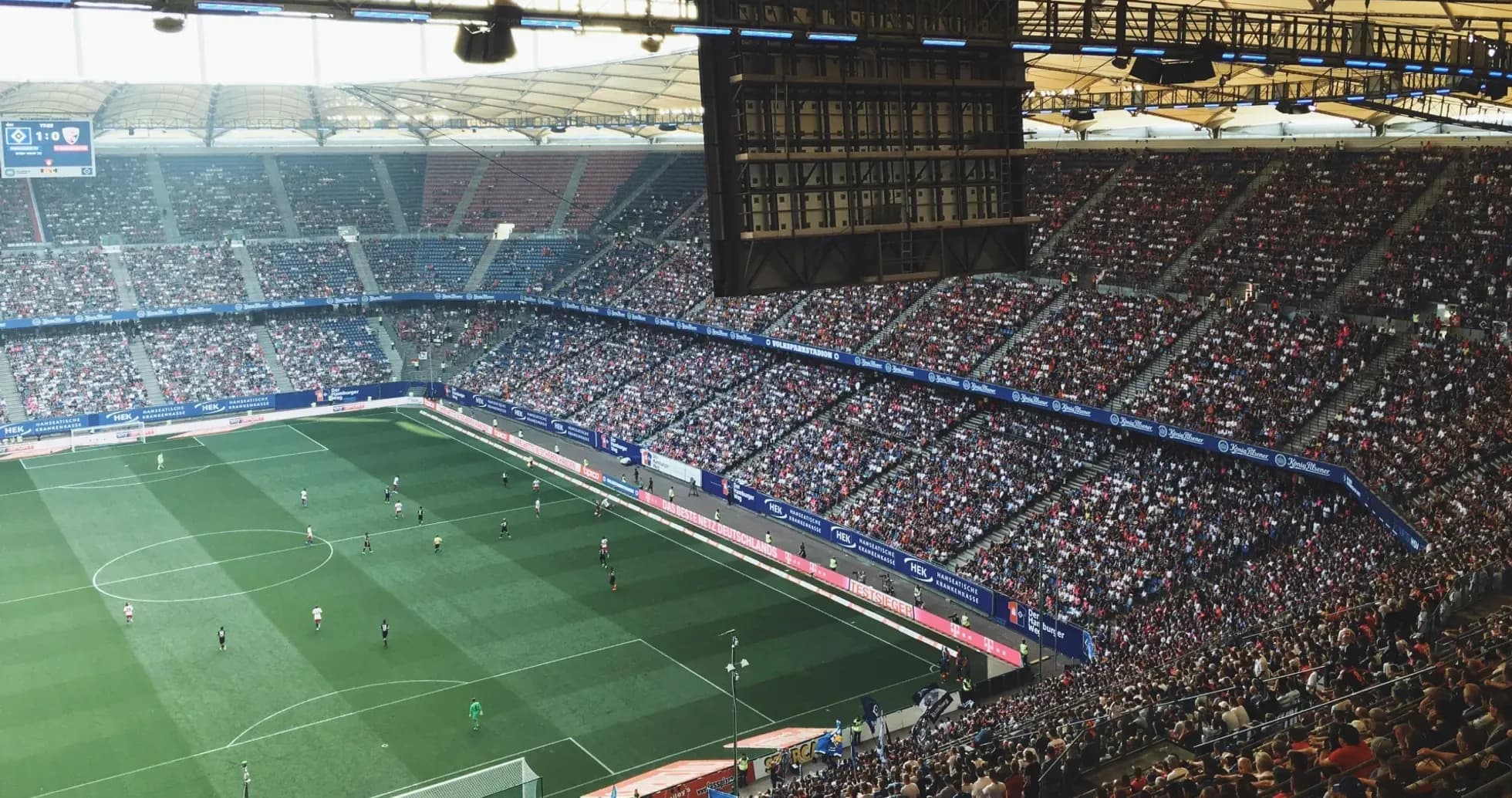
Portland Timbers II Edge Minnesota United II in MLS Next Pro Clash
Providence Park under the lights has a particular way of testing young players. On this MLS Next Pro night, it framed a tight, nervy contest that ended with Portland Timbers II edging Minnesota United II 2–1, a result that felt as much about squad identity as it did about the scoreline.
I. The Big Picture
Following this result, Portland consolidate their status as one of the conference’s sharper attacking outfits, even if the underlying numbers still speak of volatility. Across the season in total they have played 9 league matches, winning 5 and losing 4 with no draws. Their goal difference in total is -1, with 14 goals for and 15 against, a reminder that this is a team that lives on the edge rather than controls games in comfort.
At home, though, the picture is more nuanced. Portland have played 6 league fixtures at Providence Park, winning 3 and losing 3. They have scored 10 goals at home and conceded 10, an exact balance that underlines how open their home matches tend to be. On their travels they have been more efficient: 3 away games, 2 wins and 1 defeat, with 4 goals scored and 5 conceded.
Minnesota United II arrive as a mirror of that volatility. In total they have played 10 league matches, winning 5 and losing 5, again with no draws. Their total goal difference is -2, with 11 goals scored and 13 conceded. At home they have been cagey and controlled, with 3 matches yielding 2 wins and 1 loss, just 2 goals scored and 2 conceded. Away, however, they open up: 7 road games, 3 wins and 4 defeats, 9 goals for and 11 against. This is a team that accepts chaos when they travel.
Within the standings snapshot, Portland’s 17 points and +1 goal difference in that table context place them in a promotion conversation, with one listing explicitly tagging them in the “MLS Next Pro (Play Offs: 1/8-finals)” bracket. Minnesota’s 14 points and -3 goal difference in their table context also carry a promotion-playoff description, suggesting both squads are being shaped with knockout football in mind. This match, then, felt like a dry run for that 1/8-final intensity.
II. Tactical Voids and Discipline
The absence data offers no clear list of missing players, which leaves us to read the tactical voids through selection. Jack Cassidy’s choice to start both C. Griffith and L. Fernandez-Kim hints at a desire for verticality and direct threat between the lines. With no rigid formation provided, Portland’s identity is instead expressed through the blend of profiles: the physical presence of C. Ondo, the work rate of E. Izoita, and the technical glue of V. Enriquez and B. Barjolo.
Portland’s disciplinary profile this season is revealing. Their yellow-card timing is heavily skewed towards the middle and later phases of games. A significant 31.82% of their yellows arrive between 61-75 minutes, with another 18.18% from 76-90 and 18.18% from 46-60. That late-game surge in cautions speaks to a side that often defends on the limit once fatigue and game-state pressure kick in. Earlier phases are calmer: 13.64% between 0-15, and just 4.55% in each of the 16-30 and 31-45 windows. No red cards have been shown to them across any minute range.
Minnesota’s card profile is different but equally telling. They spike around halftime and the closing stretch: 27.78% of their yellows arrive between 31-45 minutes, another 27.78% between 76-90, and 22.22% between 61-75. That suggests a team that tends to get dragged into duels as matches become stretched, and one that often walks a disciplinary tightrope either side of the break and in the final quarter. Like Portland, they have not seen red in any minute band.
III. Key Matchups
The “Hunter vs Shield” narrative here is less about a single prolific scorer and more about units. Portland’s attack in total averages 1.6 goals per game, with 1.7 at home and 1.3 on their travels. Minnesota’s defence in total concedes 1.3 per match, but that splits into a tight 0.7 at home and a more generous 1.6 away. The intersection is clear: Portland’s home attack at 1.7 goals per game meets a Minnesota away defence conceding 1.6. For a development league, those are numbers that invite risk-taking.
Within Portland’s frontline, C. Griffith is a symbolic figure. Listed as the league’s top-rated player by position in both scoring and assisting charts for Portland, even without goals or assists to his name yet, he embodies the club’s belief in a focal point who can occupy centre-backs and link play. His presence against Minnesota’s back line, anchored by figures like N. Dang and J. Farris, becomes the central duel. Griffith’s role is less about raw statistics and more about shaping the zones where Portland can overload.
On the other side, Minnesota’s attack averages 1.1 goals in total, split between a low 0.7 at home and a more expansive 1.3 away. They are more dangerous when they travel, with players like K. Michel and D. Randell operating as key reference points in transition. Their job is to exploit a Portland defence that concedes 1.7 goals per match in total, including 1.7 at home and 1.7 away. Portland’s back line, with figures such as A. Bamford, N. Lund and C. Ferguson, is asked to manage that risk while still supporting the front half.
In the “Engine Room”, the contest is defined by legs and discipline rather than star names. For Portland, the likes of E. Izoita and V. Enriquez become the connectors, tasked with progressing the ball quickly enough to catch Minnesota’s midfield before it can settle. Minnesota counter with players like M. Harwood and L. Pechota, who must screen central spaces and prevent Griffith and Ondo from receiving on the half-turn.
IV. Statistical Prognosis
From a statistical standpoint, this is a matchup between two sides that lean into volatility. Portland’s total clean sheets (3 in total, 1 at home and 2 away) and Minnesota’s identical total of 3 (2 at home, 1 away) underline that both can lock things down, but more often they are involved in open contests. Portland have failed to score in 2 matches in total (1 at home, 1 away), while Minnesota have drawn blanks in 3 in total (1 at home, 2 away), giving a slight offensive reliability edge to the hosts.
Penalties offer a small but telling detail. Portland have taken 2 penalties in total this season and scored all 2, with 100.00% conversion and no misses. Minnesota have taken 1 in total and also converted it, with 100.00% and 0 misses. If this fixture, or a future playoff meeting between them, tightens into a penalty-box battle, neither side carries the psychological baggage of a missed spot-kick.
Blend the numbers and the narrative points in one direction: a high-variance contest where Portland’s slightly stronger home attack is balanced by Minnesota’s proven willingness to trade chances away from home. In a playoff-style 1/8-final scenario, the edge may tilt towards Portland, whose goal output at Providence Park and perfect penalty record suggest they can survive the chaos they themselves create. But with both teams eschewing draws all season, any tactical preview of this matchup must end with the same conclusion: expect a decisive result, and expect both sides to leave space for the other to strike.