Philadelphia Union II Claims Comeback Victory Against Atlanta United II
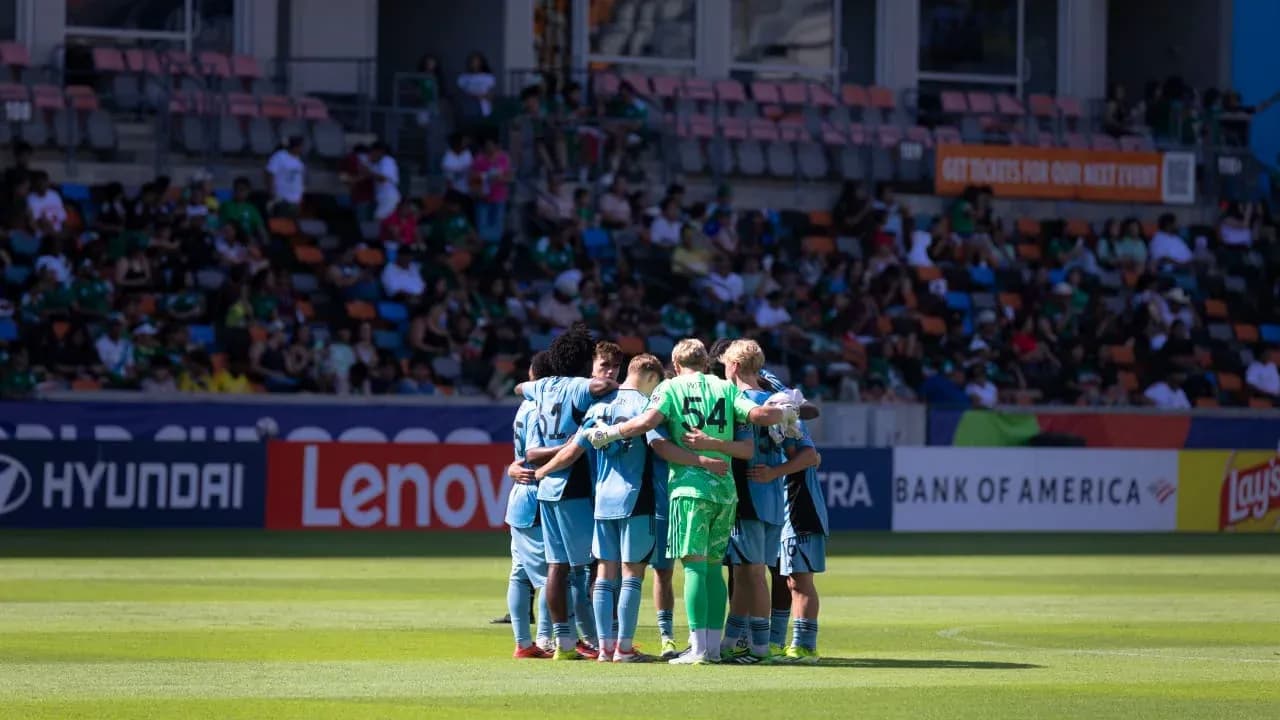
Subaru Park under the late-May lights staged a meeting between two of the Eastern Conference’s most volatile projects. Philadelphia Union II, 4th in the Northeast Division and 8th in the conference heading into this game, carried an all-or-nothing profile: 11 matches, 6 wins, 0 draws, 5 defeats, with 14 goals for and 11 against overall in the standings. Atlanta United II arrived as one of the conference’s most explosive attacking sides, 2nd in the Central Division and 5th in the East, with 21 goals scored and 15 conceded overall. On paper, it was a clash of raw, imperfect contenders; on the pitch, it became a 2–1 comeback that said as much about mentality as it did about tactics.
The season-long DNA of both teams framed the narrative. At home, Philadelphia Union II had played 8, winning 4 and losing 4, scoring 11 and conceding 8. That translates to 1.4 goals scored and 1.1 conceded at Subaru Park this campaign. They are a side that leans into chaos: no home draws, a biggest home win of 4–1, and a tendency to either overwhelm or be undone. On their travels, Atlanta United II had been similarly extreme: 8 away matches, 4 wins, 4 losses, 15 goals for and 11 against, with an away scoring average of 1.9 and 1.5 conceded. They can cut teams open, but they give you chances.
Into that volatile context stepped two young, experimental lineups. Ryan Richter’s Philadelphia XI was built around a core spine: G. Marks between the posts; a defensive unit featuring O. Pratt, R. Uzcategui, K. Moore and J. Griffin; and a midfield-attack blend of N. Hasan, O. Benitez, M. De Paula, W. Ferreira, T. Reed and E. Davis III. With no formation data listed, the shapes had to be read from roles and tendencies, but the profile is clear: legs, aggression, and verticality rather than patient control.
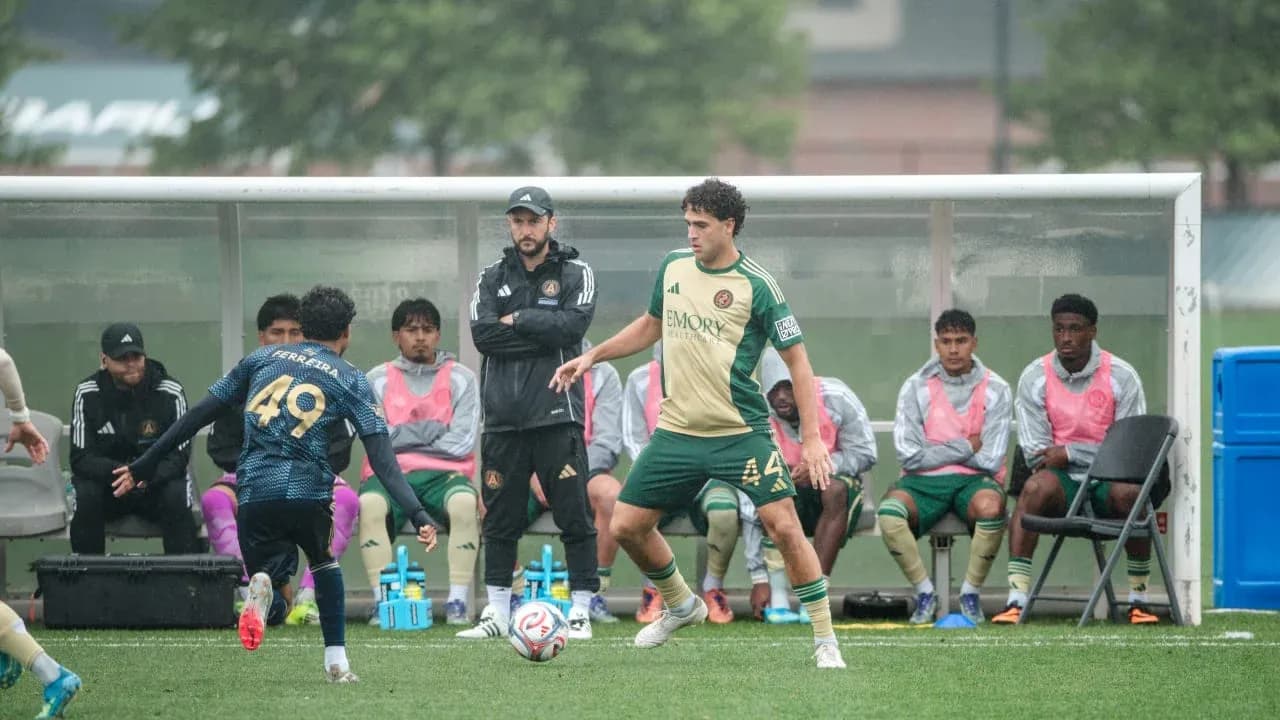
Atlanta United II, by contrast, arrived with a more fluid attacking cast. J. Ransom anchored the side, with D. Chica, M. Senanou, M. Cisset and D. Chong-Qui giving a physical and mobile defensive base. Ahead of them, A. Gill, A. Torres and E. Dovlo offered technical craft, while I. Suarez and C. Dunbar flanked A. Kovac in advanced roles. The bench options – including M. Tablante, P. Weah, L. Butts and M. Pineda – hinted at fresh pace and direct running if the game opened up.
If the “Big Picture” was about volatility, the “Tactical Voids” were about discipline and emotional control. Heading into this game, Philadelphia Union II had already collected a worrying disciplinary profile: yellow cards spread fairly evenly, but with peaks at 16–30 minutes (17.65%), 61–75 minutes (17.65%) and again in the 91–105 window (17.65%). More tellingly, their red cards were concentrated: 50.00% of their reds in the 31–45 range and 50.00% between 61–75. This is a young side that can lose composure in transition phases either side of the break.
Atlanta United II were hardly saints. Their yellow-card curve was a classic late-game surge: only 4.17% of yellows in the first 15 minutes, but a combined 62.49% from 46–90 minutes (20.83% in each of the 46–60, 61–75 and 76–90 windows). Their red cards were even more stark: 33.33% in each of 46–60, 61–75 and 76–90. This is a team that plays on the edge and often steps over it as fatigue and game-state pressure mount.
Without explicit injury or absentee data, both coaches had near-full decks. The absence of published formations meant the tactical voids were more conceptual: could Philadelphia’s aggressive, no-draw mentality be channeled without tipping into self-destruction? Could Atlanta’s high-risk, high-reward away approach be sustained for 90 minutes without disciplinary collapse?
Key Matchups
Within that frame, the key matchups split neatly into “Hunter vs Shield” and “Engine Room”.
For Philadelphia Union II, the “Hunter” was not a single name but the collective of W. Ferreira, E. Davis III and T. Reed. At home, Union II’s 11 goals from 8 matches and a biggest home win of 4–1 show they can swarm opponents once momentum tilts their way. Their “Shield” is more fragile: 9 goals conceded at home at an average of 1.1 per game, but with 2 home clean sheets overall. When they defend well, they can completely shut the door; when they don’t, the game becomes a shootout.
Atlanta United II’s “Hunter” is their away attack as a unit: 15 away goals from 8, including a biggest away win of 2–6. They are built to punish space, especially once matches become stretched. Their “Shield” is less convincing: 12 away goals conceded, 1.5 per game, and only 2 clean sheets overall (home and away combined). They accept defensive risk as the cost of their attacking ambition.
In the “Engine Room”, the contrast was philosophical. Philadelphia’s midfield triangle – with N. Hasan, O. Benitez and M. De Paula prominent – is about bite, second balls and quick release into runners like Davis III and Ferreira. They suit a match that breaks into transitions. Atlanta’s middle, through players such as A. Gill and A. Torres, is more about progressive carrying and combination play, trying to pull Union II’s lines apart and isolate defenders like Pratt or Moore in wide channels.
Statistically, the prognosis before a ball was kicked leaned toward an open, high-variance contest. Overall, Philadelphia Union II were averaging 1.4 goals for and 1.1 against per match this campaign, while Atlanta United II sat at 1.9 for and 1.5 against. Neither side had drawn a game: 6 wins and 5 losses each. The expected goals narrative, even without explicit xG values, would project chances at both ends, with Atlanta’s away firepower likely to generate a slightly higher volume of quality opportunities, and Philadelphia’s home edge compensating through territory and pressure.
The 2–1 full-time scoreline, with Philadelphia overturning a 0–1 half-time deficit, effectively inverted the pre-match hierarchy. It underlined Union II’s resilience at Subaru Park and exposed again Atlanta’s vulnerability once they are forced to defend deeper for long spells. Following this result, the statistical story would tilt: Philadelphia’s goal difference, already positive in the standings at +3 (14 scored, 11 conceded overall before this match), gains another layer of credibility; Atlanta’s overall profile of 21 scored and 15 conceded becomes a warning that their attacking brilliance cannot permanently mask defensive looseness.
In narrative terms, this was less a surprise and more a crystallisation of both teams’ identities. Philadelphia Union II remain the Eastern Conference’s chaos merchants – but now with a signature comeback at Subaru Park as proof of concept. Atlanta United II leave with their attacking reputation intact, yet with the same nagging question: in the tight, playoff-style battles their league description points them toward, can their shield ever be as sharp as their hunter?