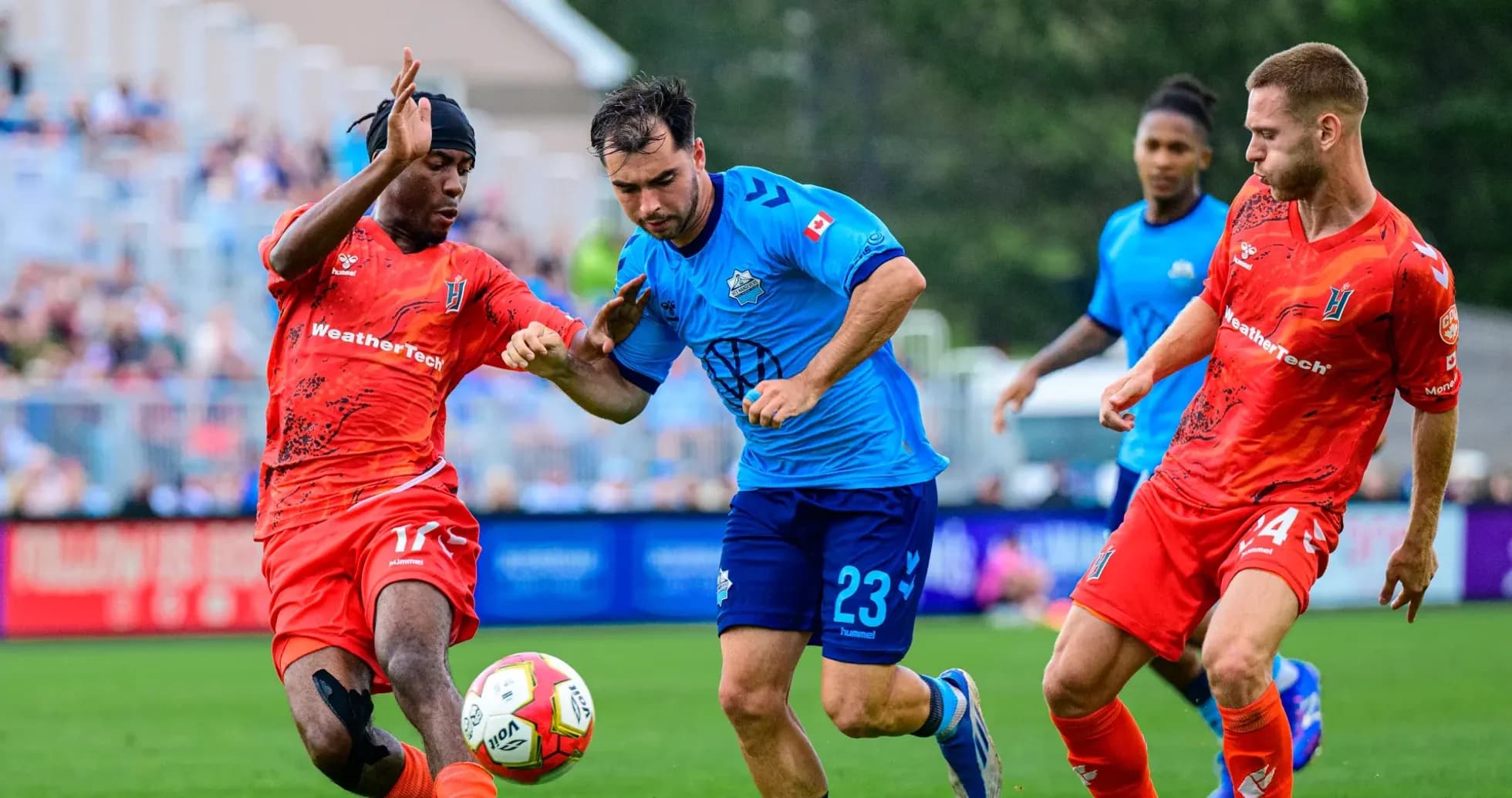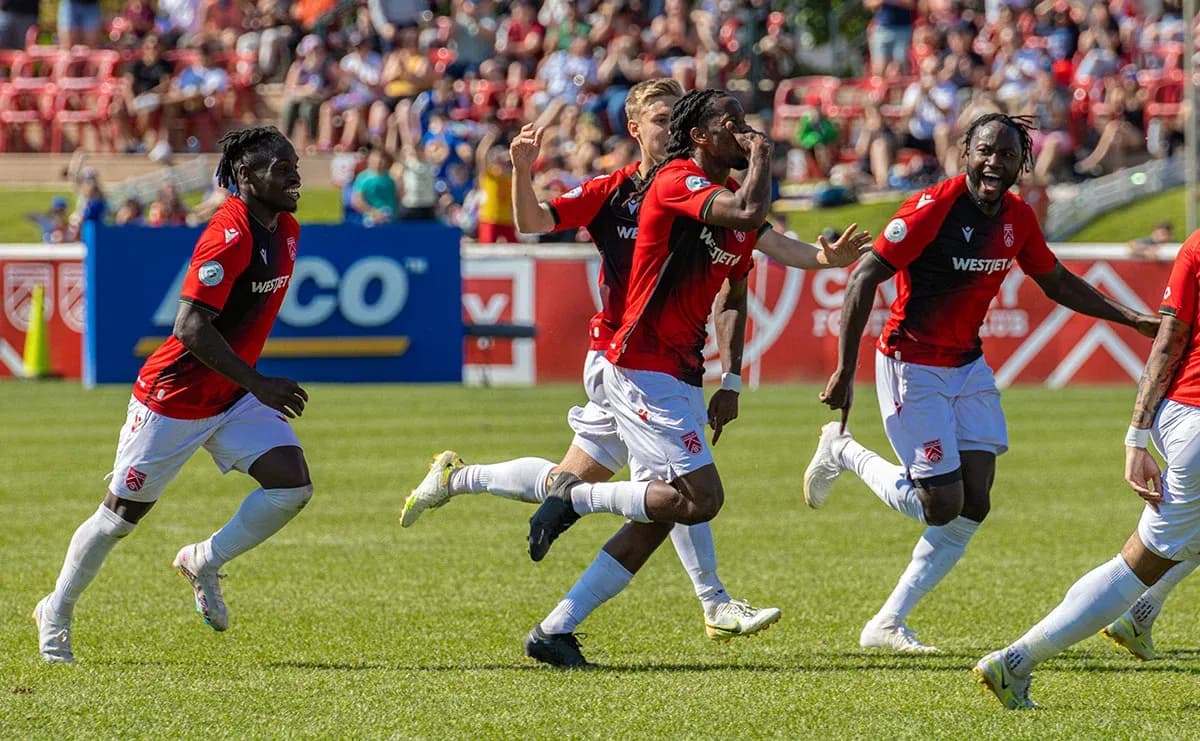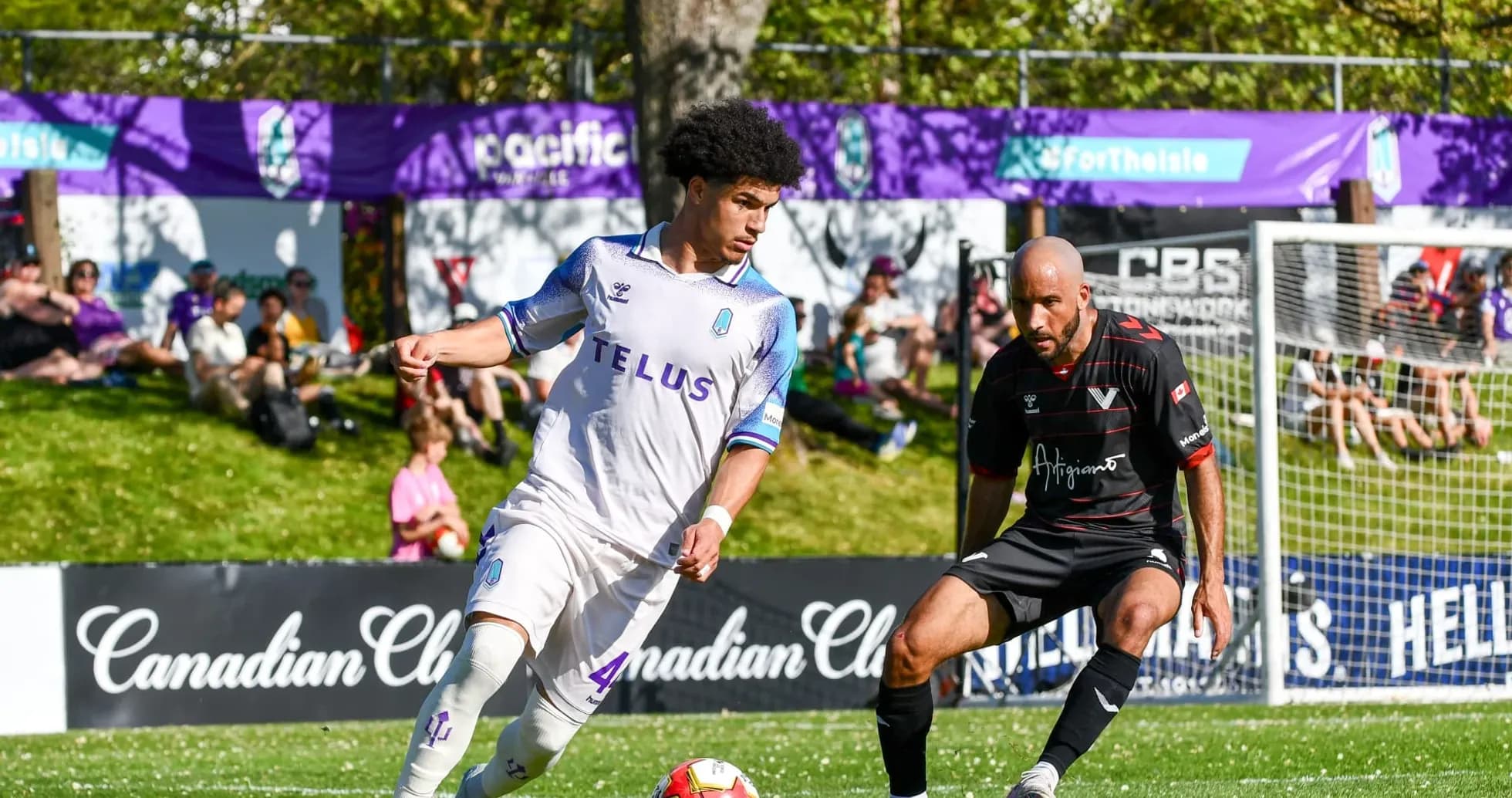
Pacific FC's Early Season Crisis Deepens with 3–1 Defeat to Vancouver FC
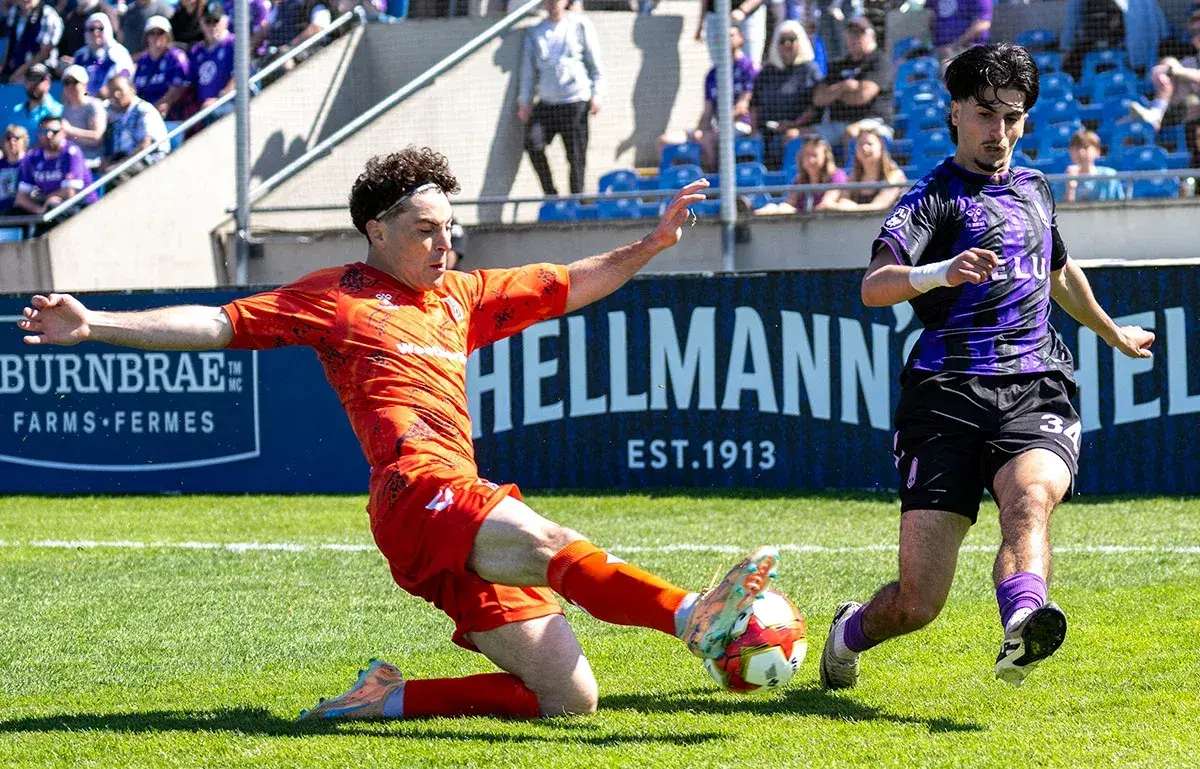
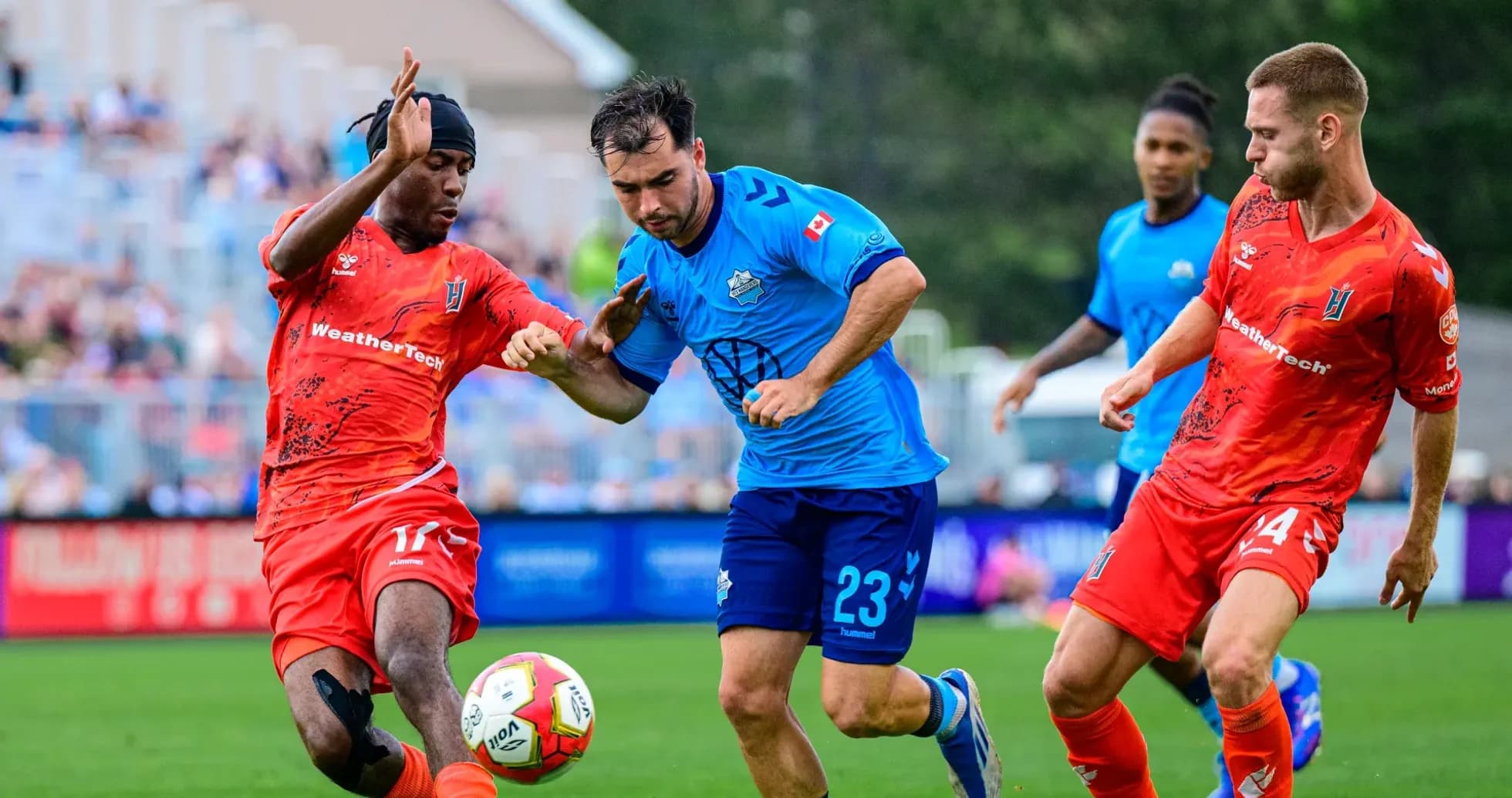
Under the Starlight Stadium floodlights, this all-B.C. clash in the Canadian Premier League ended with a clear verdict. Following this result, Pacific FC’s early-season crisis deepened with a 3–1 home defeat to Vancouver FC, a scoreline that mirrored the underlying trends of both sides’ campaigns rather than defied them.
I. The Big Picture – a derby that confirmed the table
Heading into this game, Pacific were already rooted in 8th place, with just 1 point from 5 matches and a goal difference of -5 (6 scored, 11 conceded). At home they had been alarmingly fragile: 4 defeats from 4, 4 goals for and 9 against. Vancouver arrived 6th, with 4 points from 5, their overall goal difference a tighter -1 (4 for, 5 against), and a slightly more convincing record on their travels: 3 away games yielding 1 win, 1 draw, 1 loss, with 4 goals scored and 3 conceded.
The 3–1 away win felt like the logical intersection of those trajectories. Vancouver, a low-scoring but structurally sound unit, leaned into their identity: compact, patient, and ruthless in key moments. Pacific, for all their attacking talent, once again conceded in the very phases where their season-long numbers scream vulnerability.
II. Tactical Voids – discipline, structure, and what was missing
Pacific’s season-long defensive profile framed the evening. Overall they concede 2.2 goals per game, with a brutal concentration after half-time: 36.36% of their goals against arriving between 46–60 minutes and another 36.36% between 76–90. This is a team that repeatedly loses control in transition phases and late-game chaos. The lack of clean sheets in total this campaign – 0 from 5 – underlined a systemic problem rather than an off night.
James Merriman’s selection reflected both necessity and experimentation. The back line of K. Chung, J. Belluz, D. Konincks and C. Greco-Taylor is rich in individual quality but short on collective certainty. Belluz brings aerial presence but also a disciplinary shadow from earlier rounds, while Greco-Taylor, though combative, sits near the top of the league’s yellow-card charts with 2 bookings already. In front of them, R. Juhmi – also on 2 yellows this season – and T. Gomulka were asked to stabilize the middle, yet Pacific’s card profile is telling: 38.46% of their yellows come in the 91–105 minute window, and they have already suffered reds in the 76–90 and 91–105 ranges. This is a side that tends to chase games and lose emotional control late.
On Vancouver’s side, Martin Nash could build around a clearer spine. C. Irving in goal, the defensive trio of M. Doner, M. Campagna and P. Gee, and the midfield presence of M. Polisi formed a disciplined axis. Polisi, the league’s leading figure in yellow cards with 3 bookings, walks a constant disciplinary tightrope, but his 90% pass accuracy and blend of tackles and interceptions make him the heartbeat of Vancouver’s press and retention game. Vancouver’s card timing distribution – yellows spread from the opening 0–15 (11.11%) through to 91–105 (22.22%) – points to a team that competes aggressively across the full 90 without the same late-game loss of control that plagues Pacific.
III. Key Matchups – Hunter vs Shield, Engine Room vs Enforcer
The “Hunter vs Shield” narrative centered on Pacific’s attacking trio of A. Díaz, M. Bustos and A. Daniels against a Vancouver defence that, heading into this game, conceded just 1.0 goal per match overall and 1.0 both at home and on their travels. Pacific’s offensive DNA is late and streaky: 33.33% of their goals arrive between 61–75 minutes and another 33.33% between 76–90, with an overall scoring average of 1.2 goals per game. At home, that drops to 1.0; on their travels, it jumps to 2.0.
Díaz, one of Pacific’s top scorers with 1 goal from 5 appearances, is more than a finisher. His 37 completed passes at 75% accuracy and willingness to drop off the line should have asked questions between Vancouver’s midfield and defence. Yet Vancouver’s shield held. Their goals-against minute map shows only 20.00% of concessions in 61–75 and 60.00% between 76–90 – they are most vulnerable late, but they rarely collapse entirely, and they had enough structure to ride out Pacific’s predictable late surges.
The “Engine Room” duel pitted Pacific’s double pivot and creative hub against Polisi. On paper, Pacific’s midfield had variety: Juhmi’s vertical running, Gomulka’s link play, and Bustos drifting into pockets. But Polisi’s numbers tell the story of why Vancouver controlled key phases: 60 passes with 90% accuracy, 3 tackles, 1 block and 1 interception in total this campaign. He is both metronome and disruptor. Every time Pacific tried to accelerate through the middle, Polisi and his supporting cast squeezed the space, forcing the hosts wide and into lower-percentage deliveries.
At the back for Pacific, D. Konincks embodied the paradox. Statistically one of the league’s standout defenders – 134 passes at 89% accuracy, 1 assist, 2 tackles, 1 blocked shot and 3 interceptions – he offers high-level distribution and proactive defending. Yet his line is repeatedly exposed by structural fragility around him. Vancouver’s front three of A. Traore, M. Amissi and T. Campbell, supported by N. Mezquida between the lines, were able to isolate Pacific’s centre-backs and attack the channels where full-backs had advanced.
IV. Statistical Prognosis – why 3–1 made sense
Following this result, the numbers and the narrative align. Pacific’s overall goal difference of -5 before kickoff, built on 6 goals for and 11 against, already painted them as a side who cannot translate late attacking surges into points. Their under/over profile – over 1.5 goals in just 2 of 5 matches, over 2.5 in none – suggested that if they conceded first, they lacked the firepower and control to stage a full comeback.
Vancouver, meanwhile, came in with 4 goals scored in total this campaign, spread evenly across 31–45, 46–60, 61–75 and 76–90 (each 25.00%). That even distribution meant they were always a threat at any stage, and crucially, their defensive record – only 5 conceded in total and 3 on their travels – gave them a platform to exploit Pacific’s desperation.
In xG terms, this would almost certainly read as a match where Vancouver maximized a handful of high-quality transitions against a side structurally predisposed to give them up. Pacific’s 0 clean sheets in total this season, their tendency to concede heavily straight after half-time and again late, and Vancouver’s capacity to strike in all four key attacking windows created a tactical equation that was always likely to resolve in the visitors’ favour.
The 3–1 scoreline at Starlight Stadium did more than decide a derby. It crystallized the early-season identities of both clubs: Vancouver as a disciplined, opportunistic away side with a hard-edged midfield core; Pacific as a talented but brittle outfit whose late surges and individual standouts like Konincks and Díaz cannot yet compensate for systemic defensive and disciplinary flaws.