
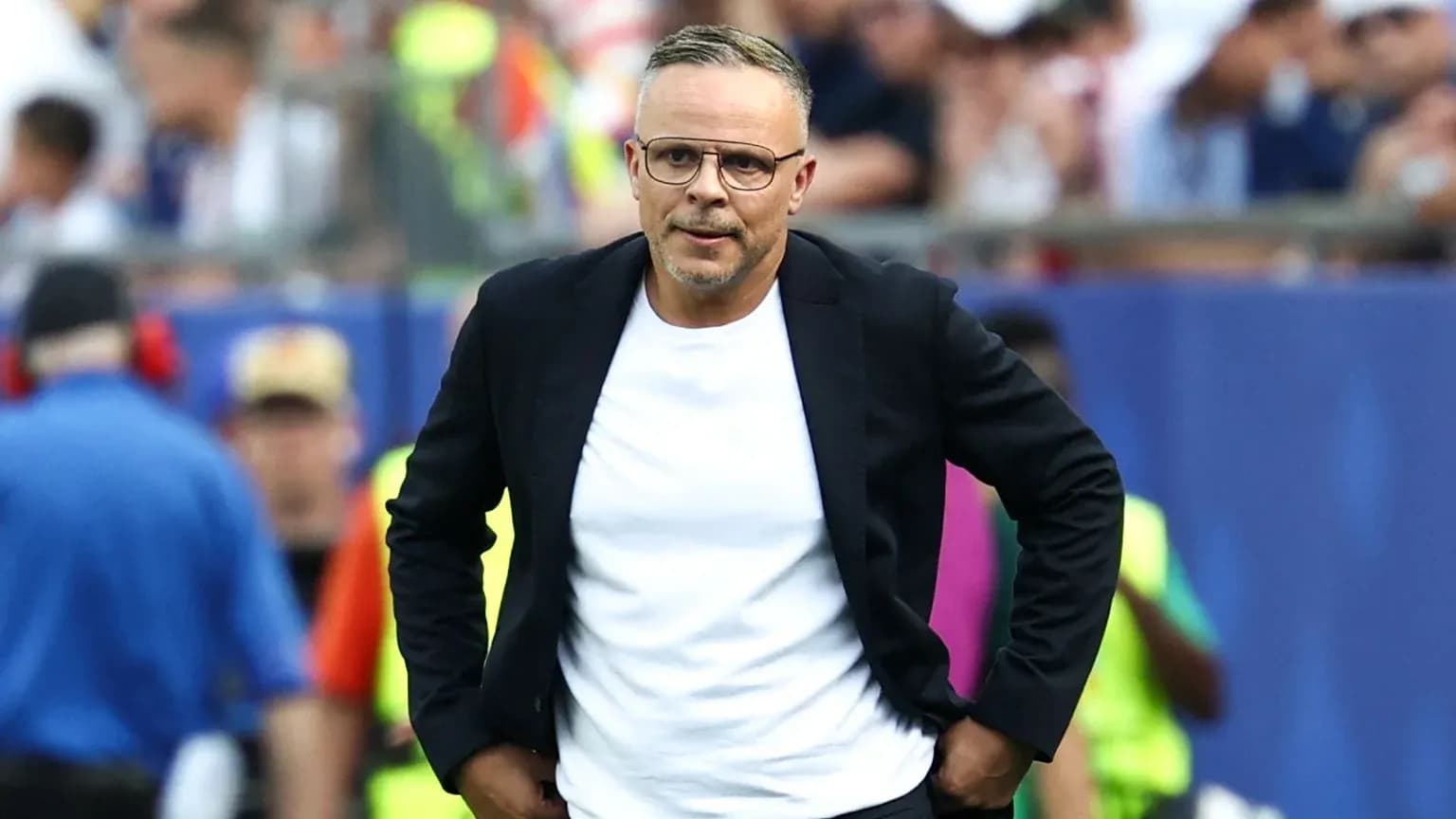
Ouahbi Reacts to France's Opener but Praises Team's Resilience
Walid Ouahbi walked off the pitch still replaying France’s opener in his mind. The Moroccan coach could not accept how it had stood, pointing the finger squarely at referee Facundo Tello.
For him, the turning point was clear: Adrien Rabiot’s involvement before Kylian Mbappé buried the ball in the Moroccan net.
Ouahbi argued that the French midfielder had handled the ball in the build-up, a moment that left several players hesitating as Mbappé pounced.
“The goal came from a bit of a... shared ball, some people stopped because they saw a handball,” he told beIN Sports, still wrestling with the incident. “It was a handball, I don’t know if it should have been called or not, I don’t know.”
The damage, though, was done. Mbappé’s ruthless finish set the tone, and Morocco spent the rest of the first half under heavy fire.
First-half suffering, Bounou’s big moment
Morocco struggled to breathe early on. France moved the ball with authority, pinning Ouahbi’s side back and forcing mistakes in dangerous areas.
“We suffered a lot in the first half,” the 49-year-old admitted. The pressure was relentless, and it took a huge intervention from Yassine Bounou to keep the contest alive, the goalkeeper producing a crucial save from the penalty spot.
That stop gave Morocco a lifeline. It did not erase the frustration over the opener, but it stopped the evening from unravelling completely.
A different Morocco after the break
After the interval, the tone changed. The same players who had looked heavy-legged before the break suddenly found rhythm and courage on the ball.
“In the second half, we defended better and, above all, we were more composed with the ball. We were much better,” Ouahbi said. The team began to string passes together, push higher, and show the personality that had been missing earlier.
“In the first half, it seemed like some players were catching their breath. We saw that these same players started the second half well.”
France still threatened, but Morocco no longer looked overwhelmed. They competed, they bit into tackles, they tried to build. The gap in quality remained, yet the gap in belief narrowed.
Respect for France, and a warning for the future
Ouahbi did not hide from the reality of the opponent. “We have to admit that we played against a very good team,” he said, giving France full credit for their level and their control of long stretches of the game.
The closing stages were punishing. Legs tired, spaces opened, and every French attack felt like it could finish the contest. “It was tough at the end,” he conceded, the disappointment still raw.
But his message quickly turned to what comes next.
“I believe we must continue to believe, to work. We must also continue to work on the basics, ensuring that when there are injuries, players who are less fresh, we can have a larger pool of players.”
That is the crux of his project: depth, resilience, and a squad robust enough to absorb absences without losing its identity.
“We will continue, we will not stop here. We are very disappointed, we wanted more, but we have to accept it.”
The anger over that first goal may linger. The lesson, Ouahbi insists, must last longer.





