Neymar and Pulisic Injury Updates Impacting World Cup
The 2026 FIFA World Cup has barely settled into its rhythm, and already two of its marquee attacking stars are limping through the storyline.
Brazil’s Neymar Jr. is out of the next Group C match against Haiti and has yet to kick a ball at this tournament. Across the bracket, U.S. talisman Christian Pulisic is racing the clock, his status uncertain for the United States’ Group D clash with Australia on Friday. Different teams, different paths, same problem: damaged calves, and damaged plans.
Neymar Stuck On The Sidelines
Neymar’s World Cup has been reduced to a lonely grind on the training pitch.
The 34‑year‑old injured his right calf on May 17 while playing for Santos and has been out for a month. This week brought a flicker of activity: individual work on the sideline on Tuesday, then a brief spell with teammates on Wednesday. It wasn’t enough.
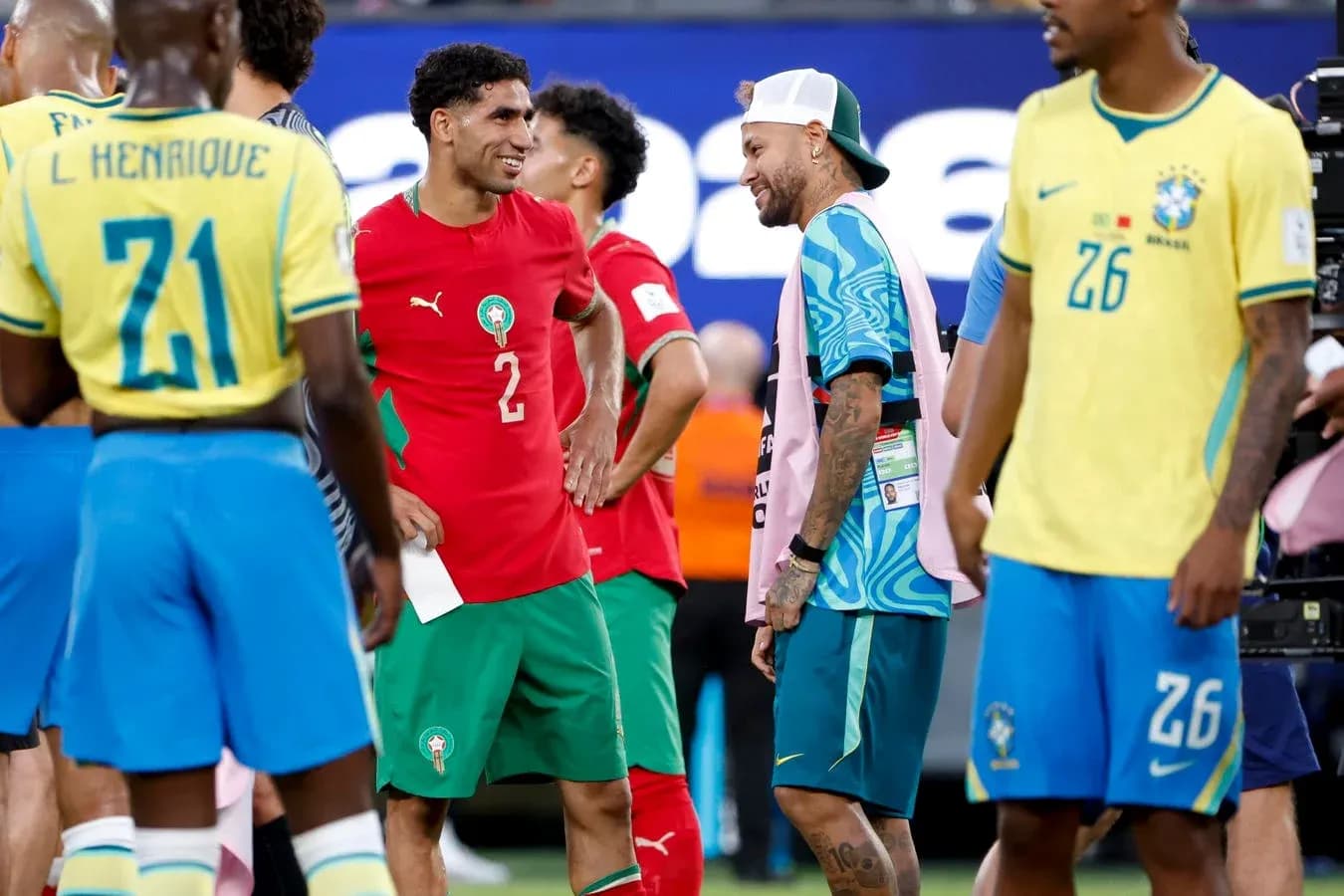
He has already been ruled out of Brazil’s next Group C game, a meeting with Haiti that suddenly carries weight after a 1–1 draw with Morocco on Saturday. Brazil still has Haiti on Friday and Scotland on June 24 to navigate, and the conversation inside the camp is shifting from when Neymar returns in the group stage to whether he should return at all before the knockouts.
That is, of course, if Brazil gets there.
The five-time world champions are used to marching through early rounds with authority. This time, they’re balancing risk and reward around a player who hasn’t appeared for the senior national team since October 17, 2023, when he tore the anterior cruciate ligament and meniscus in his left knee during a South American World Cup qualifier against Uruguay.
The body that carried a decade of Brazilian expectation is being asked to go again. The medical staff, at least for now, is saying not yet.
Pulisic’s Tournament Put On Pause
On the other side of the Atlantic, the U.S. is dealing with a more recent scare.
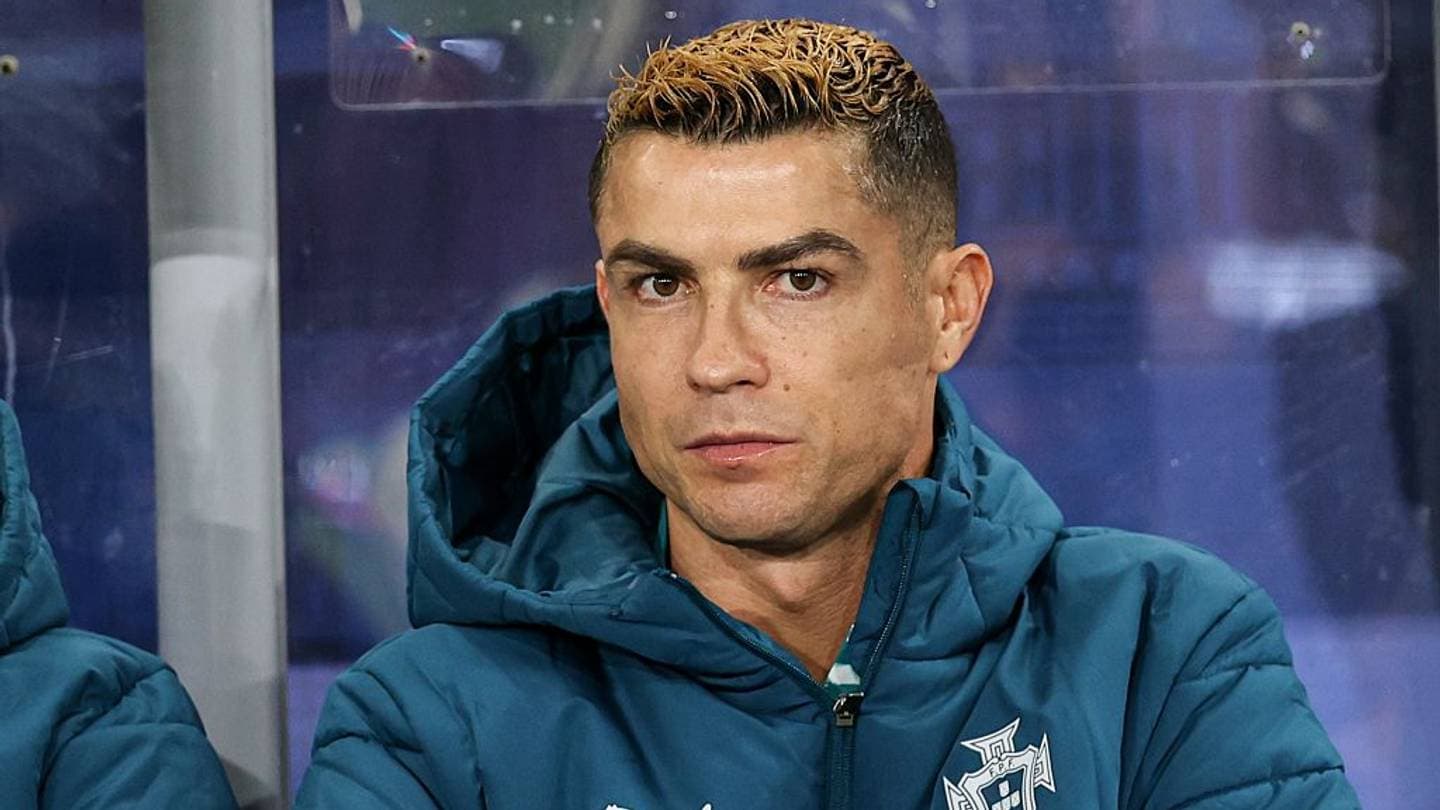
Pulisic, 27, initially hurt his left calf in training last week. He started the World Cup opener anyway and helped drive the U.S. to a 4–1 win over Paraguay, a statement result to open Group D. The momentum came at a price.
By halftime, Pulisic was done, forced off after aggravating the same calf. Since then, his availability for Friday’s meeting with Australia has hung over the U.S. camp. There is no firm diagnosis in public, no clear line between optimism and realism, just a simple, uncomfortable truth: the U.S. attack looks very different without its star forward.
The Americans have points on the board and a platform to build from. Whether Pulisic can step back onto it in time remains an open question.
The Same Injury, Different Timelines
Strip away the jerseys, and the story is medically familiar.
Both Neymar and Pulisic are dealing with calf strains—pulled calf muscles involving overstretching or tearing of the muscle fibers or the tendons anchoring them to bone. In a sport that demands repeated sprints, sharp accelerations, and sudden changes of direction, this kind of injury is almost a cost of doing business.
The prognosis depends on severity. Muscle strains are typically graded in three degrees:
- A first-degree, or mild, strain affects less than five percent of the muscle. Players can often return within one to three weeks, especially with elite treatment and the incentive of a World Cup on the line.
- A second-degree, or moderate, strain involves a larger portion of the muscle but stops short of a complete tear. This is what Neymar reportedly has. Recovery to full activity usually takes roughly three to six weeks—two to three times as long as a mild strain.
- A third-degree strain is the nightmare scenario: a complete tear of the muscle or the muscle-tendon unit. That kind of damage usually means months out and, in some cases, surgery.
Pulisic’s injury has not been publicly pinned to a specific grade. Neymar’s has. That alone explains the different tones around their situations: Brazil already managing weeks of absence, the U.S. clinging to the hope that this is closer to a mild strain than a moderate one.
Treatment is conservative unless the muscle is completely torn. Rest, ice, compression, and elevation form the core of early management. Stop the workload. Cool the area in 20‑minute bursts. Wrap the calf to limit swelling. Keep the leg elevated to help fluid drain away. After that, it becomes a race between healing tissue and tournament schedules.
Risk, Reward, And World Cup Stakes
For Brazil, the temptation to rush Neymar back is obvious. So is the danger. A second-degree strain that is pushed too hard, too soon, can quickly turn into something worse and extend the layoff into months, not weeks. With knockout rounds looming, the coaching and medical teams face a stark calculation: protect him now to have him later, or gamble on a group-stage rescue act.
The U.S. dilemma with Pulisic is more immediate. Australia awaits on Friday, and every point in the group stage shapes the path ahead. An early return might tilt a tight game, but it also risks turning a short-term problem into a long-term absence.
Two stars, two calves, one shared uncertainty.
As the group stage tightens and the margins shrink, the question is no longer just who has the deeper squad or the sharper tactics. It’s who can keep their best players on the pitch when it matters most—and who will be left watching the World Cup unfold from the wrong side of the touchline.