Minnesota United II Defeats Colorado Rapids II 2–0: A Tactical Analysis
Under the lights at Allianz Field, this Group Stage fixture in MLS Next Pro felt like a crossroads for two clubs on very different trajectories. Minnesota United II, sitting 8th in the Eastern Conference and 4th in the Frontier Division with 18 points, have lived a season of extremes: six wins, six losses, no draws, and a goal difference of -1 overall (14 scored, 15 conceded). Colorado Rapids II arrived as the league’s cautionary tale – 14th in the Eastern Conference and 7th in the Frontier Division, still searching for their first point after 12 defeats, with 10 goals scored and 31 conceded for a goal difference of -21.
Following this result, the 2–0 home win for Minnesota United II felt less like an upset and more like the logical expression of both teams’ seasonal DNA. At home this campaign, Minnesota have been pragmatic rather than explosive: five matches, three wins, two defeats, only 5 goals for and 4 against. They win by margins, not by avalanches. Colorado, on their travels, have been the opposite kind of spectacle – six away losses, 4 goals scored and 14 conceded, leaking an average of 2.3 goals away from home while scoring only 0.7.
The match itself mirrored those numbers. Minnesota went in 1–0 up at half-time and managed the game into a controlled 2–0 full-time victory, adding another clean sheet to a growing defensive identity. Overall this campaign they now have four clean sheets, three of them at home, underlining Allianz Field as a place where they can grind out low-scoring wins.
Tactical Insights
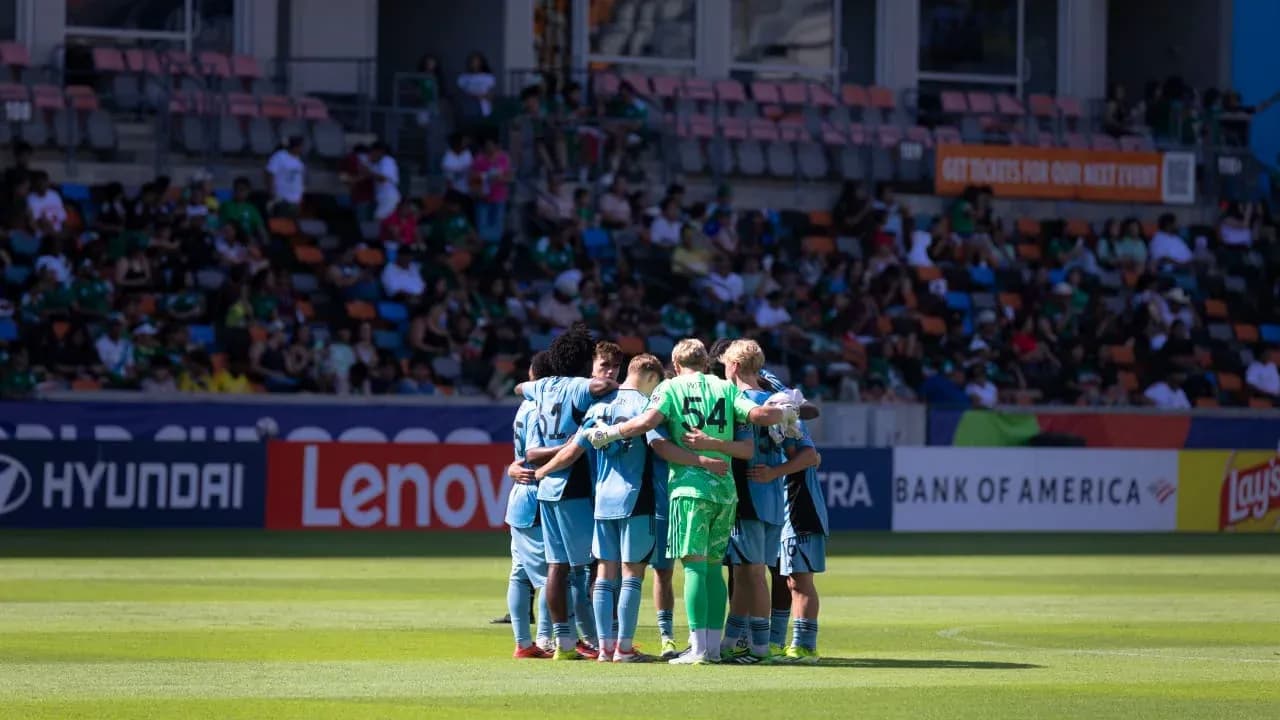
Tactically, both sides lined up in ways that revealed as much about their priorities as their formations ever could. Minnesota’s starting XI – with K. Perkins, C. Harvey, N. Dang, J. Clarkson and S. Vigilante forming the core defensive and build-up spine – suggested a focus on stability first. In front of them, the likes of M. Harwood, A. Kabia, K. Chandler, J. Friedman, D. Randell and T. Putt offered mobility and vertical threat rather than a single, dominant target man. This fits a team whose biggest home win this season has been 2–0 and whose home goals-for ceiling is modest: their best home attacking outing in the league is two goals.
Colorado’s lineup under Erik Bushey told a different story: K. Starks, J. De Coteau, C. Harper, K. Sawadogo and J. Cameron at the back, with B. Jamison and A. Fadal trying to anchor a midfield that has been overrun far too often. Ahead of them, S. Wathuta, A. Harris, C. Aquino and M. Diop were tasked with finding goals for a side that averages only 0.8 goals per match overall and has failed to score in four league games. It is a young, developmental group that has yet to translate potential into resilience.
Mental and Disciplinary Trends
The “Tactical Voids” for both sides were as much mental as structural. There were no listed absentees in the data, so both coaches had near full squads, but the psychological baggage was uneven. Minnesota came in with a form line of WLLWLWWWLLLW, a streaky pattern but one that includes a three-match winning run and the ability to respond to setbacks. Colorado’s form – 12 straight losses – creates its own tactical problem: a team that concedes an average of 2.6 goals per match overall and has never kept a clean sheet this season tends to drop deeper, react slower and foul more often.
Disciplinary trends reinforced that sense of fragility. Over the season, Minnesota’s yellow cards peak in the 31–45 and 76–90 minute ranges, each accounting for 27.27% of their bookings – a side that gets edgy just before the break and in the closing stretch, but without tipping into red cards. Colorado’s yellow-card pattern is even more telling: 27.59% of their yellows arrive between 31–45 minutes, and another 27.59% between 61–75, with a noticeable 10.34% in stoppage time (91–105). Combined with red cards spread evenly from 16–75 minutes (25.00% in each 15-minute band from 16–75), it paints a picture of a team that loses discipline as pressure mounts. In a knockout 1/8-final scenario, that profile would be fatal; in this group-stage clash, it simply meant another evening of chasing.
Key Matchups
The key matchups were less about individuals and more about units. The “Hunter vs Shield” dynamic pitted Minnesota’s modest but efficient attack against Colorado’s porous back line. At home this campaign, Minnesota average 1.0 goals scored and 0.8 conceded per match. Colorado away concede 2.3 and score 0.7. The 2–0 scoreline fell almost exactly between Minnesota’s conservative home profile and Colorado’s chaotic away profile, suggesting that the home side’s structure blunted the worst of Colorado’s defensive frailties while still exploiting them enough to win comfortably.
In the “Engine Room,” Minnesota’s central cluster – with players like M. Harwood and D. Randell – had a clear statistical platform to control tempo. Minnesota’s overall goals-against average of 1.3, supported by four clean sheets, reflects a side capable of compressing space in midfield and shielding their back line. Colorado’s midfield, anchored by B. Jamison and A. Fadal, came from a team conceding 2.6 goals per match overall and having never kept a clean sheet. That imbalance meant Minnesota could dictate when to accelerate and when to suffocate the game.
Statistical Prognosis
From a statistical prognosis standpoint, if we overlay expected goals logic onto the available numbers, Minnesota’s controlled home environment and defensive solidity always pointed towards a low-scoring home win. A side that has failed to score at home only once this season, and that has converted its single penalty of the campaign (1 out of 1, 100.00%), was always likely to find a way through. Colorado, with no penalties earned, no wins, and only 4 goals on their travels, were always more likely to see their xG suppressed by a compact, confident home block.
Following this result, Minnesota United II consolidate their identity as a high-variance but dangerous playoff contender: capable of stringing wins together and defending with maturity at Allianz Field. Colorado Rapids II, meanwhile, remain trapped in a loop of defensive vulnerability and disciplinary strain. The narrative of this match was simple but stark: one side used its numbers as a foundation; the other was once again buried by them.