Mexico's World Cup Journey Sparks Joy Amid a Year of Fear
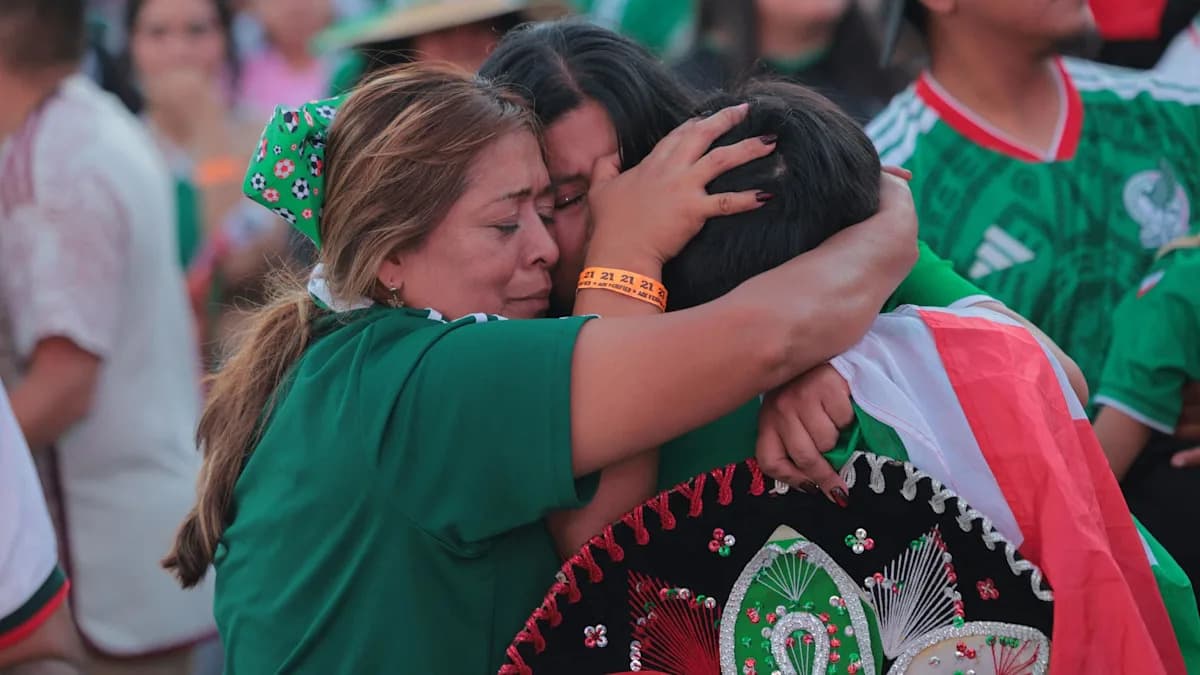
In Santa Ana, a local bistro buzzes with energy despite Mexico’s 3-2 loss to England at the Azteca Stadium, which ended their World Cup run in the last 16. Mexican flags wave, and voices join in singing Cielito Lindo—"Canta y no llores"—a song urging fans not to cry but to keep hope alive.
Louie Leyla, a Mexican-American who has called California home since 1990, reflects on the bittersweet moment: "This is sad," she says, "but we’re going to keep supporting our people, no matter what." The defeat feels less like an ending here and more like a chapter in a larger story.
A Victory Beyond the Scoreline
The tournament offered much more than just football for this community. Alicia Rojas sees the loss as a win for Santa Ana's unity. Cynthia Rebolledo smiles as her young son, clad in Mexico’s colors, eagerly asks if there will still be a parade, convinced they had won. He has been rooting for both his team and his community.
Leigh Slater, surrounded by dancing fans and the sound of mariachi horns, notes, "Football mirrors life—you win some, you lose some. What this World Cup showed us was the resilient spirit of immigrants living here."
Passion and Pride Illuminate Southern California
Mexican supporters have been among the most vibrant at the tournament, filling stadiums across the U.S. and Mexico with bright green jerseys, flags, and chants. Southern California stands out, hosting one of the largest Mexican populations outside Mexico itself.
This scene contrasts sharply with memories from just a year ago. Latino neighborhoods endured intense immigration raids, with families avoiding public spaces and businesses struggling. Gustavo Arellano, a columnist for the Los Angeles Times, recalls how empty the streets were in downtown Santa Ana during those times, punctuated only by protests and National Guard vehicles near his wife’s shop.
From Fear to Celebration
Now, the atmosphere feels like a release. "This is catharsis," Arellano says, describing the relief felt by Mexicans and Latinos broadly. Hosting part of the World Cup and Mexico's advance to the knockout stages gave the community a chance to celebrate an identity that recent events had overshadowed with anxiety.
Months earlier, fears about immigration enforcement were common. Today, supporters sing the Mexican anthem, wave flags, and wear El Tri shirts openly in fan zones filled with families. For many, expressing Mexican heritage coexists naturally with being American.
Changing Perceptions of Identity
Arellano points out how Mexican football fans were once criticized for displaying their national flag amid 1990s anti-immigration sentiment. Over time, as America’s diversity grew, so did acceptance of these expressions.
He admits, "The cynic in me says Mexico often falls short against the world’s elite teams. But we never give up. I’m proud of their effort—they fought until the very end. England was simply better this time."
Celebrating Dual Heritage in a Divided Time
As the U.S. marks its 250th anniversary, debates over immigration and identity continue. Diaspora communities have rallied not only behind Mexico but also other nations like Scotland, Argentina, Colombia, Ecuador, Morocco, and Egypt. These gatherings reveal an America where many cherish ties to more than one homeland.
For Mexican-Americans, this World Cup became a celebration of both roots and present lives, offering joy during a challenging period. "It gave many of us something we'd been missing," Arellano says simply, "an opportunity to express happiness."