Lionel Messi's Reaction to World Cup Defeat Reflects Pride Amid Argentina's Journey End
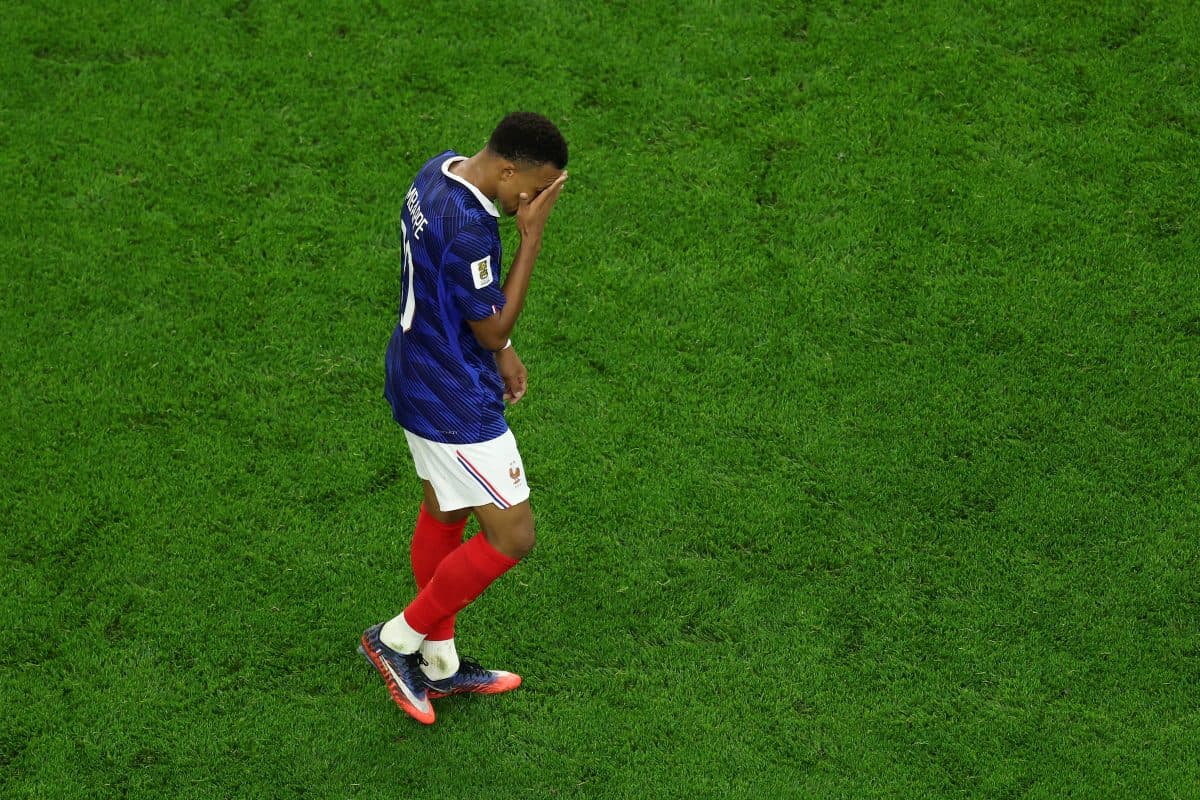
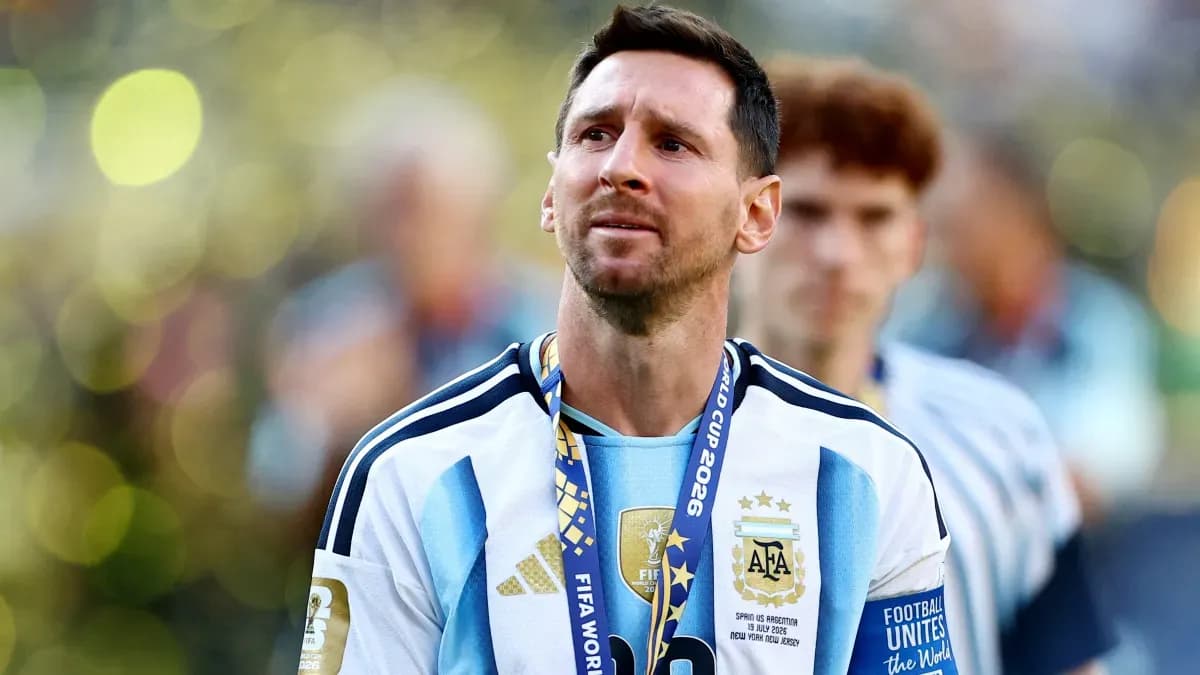
At MetLife Stadium in East Rutherford, N.J., Lionel Messi’s tears after Argentina's defeat didn't seem filled with sadness or regret. Instead, they appeared as the emotional release of a man aware his remarkable journey might be over, proud of what he achieved, yet wishing for more time.
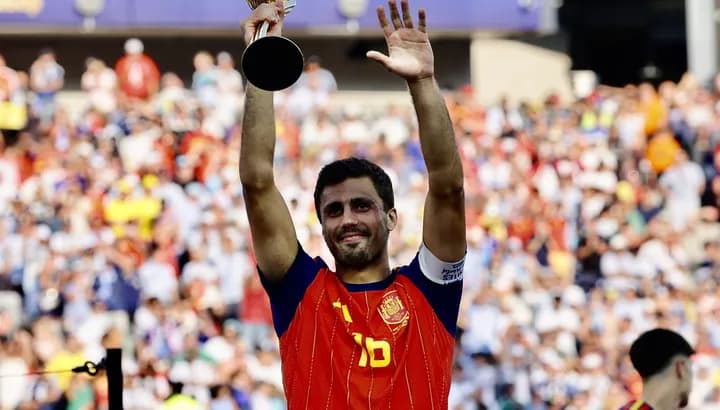
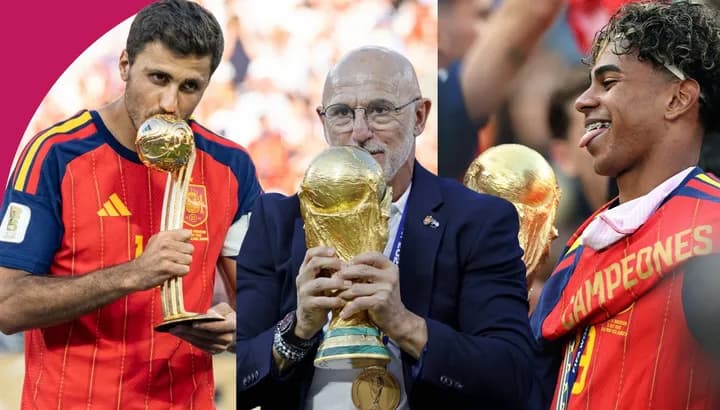
If Argentina had won the FIFA World Cup final against Spain, Messi’s demeanor would likely have been similar, only with a winner’s medal and more smiles. Instead, a stunning goal by Spain's substitute Fernan Torres in extra time denied them victory, ending Argentina's bid to become the first men’s national team in 60 years to win back-to-back World Cups.
Messi aimed to join a rare group of legends like Garrincha, Pele, and Ronaldo, who have won multiple World Cups. The difficulty of this feat is clear, given icons such as Zidane, Beckenbauer, and Maradona each only claimed one title.
Struggles at MetLife Stadium
Despite America being mostly kind to Messi—highlighted by his success at Inter Miami, the 2024 Copa America win, and previous Copa America Centenario dominance—MetLife Stadium has been a challenging venue. Argentina failed to score in 120 minutes during the 2016 Copa final there and again went goalless in the 2022 World Cup final held at the same site.
Interestingly, FIFA temporarily renamed the stadium “New York/New Jersey Stadium” during the tournament due to sponsorship conflicts, but this change didn’t affect Argentina’s fate.
The Weight of History
Ten years earlier at this location, Messi briefly retired from international football after losing four consecutive finals, including the 2014 World Cup final. He felt the pressure of following Maradona’s legacy—who led Argentina to the 1986 World Cup title. Until then, Messi's international trophies included only the Olympics and the FIFA U-20 World Cup, which fell short of expectations given his stellar club career and numerous individual awards.
His retirement lasted only until the next international window. Since returning, Messi helped Argentina secure three major titles and scored 70 goals over ten years, a tally ranking him among the top 25 men's international scorers ever.
Post-Match Tensions and Uncertain Futures
The loss wasn’t the only negative moment for Argentina. Midfielder Leandro Paredes received a red card after an altercation triggered by a taunt referencing Messi missing the winning opportunity. Defender Lisandro Martinez explained that emotions were raw after such a tough loss, but he stressed respect between opponents should prevail once the match ends.
Whether this was Messi’s final game for Argentina remains unclear. Coach Lionel Scaloni avoided confirming it, noting he hadn’t discussed the matter with Messi. Scaloni himself faces uncertainty as his contract expires this year, despite leading Argentina to four finals and three titles in recent tournaments. A continuation seems likely, though the strain of national team pressure could weigh heavily on him.
“It was a dream to play for everyone,” Scaloni said, referring to the Argentine people. “We tried up until the very last minute to give our utmost. This place is wonderful. It is a dream.”
Legacy and Reflection
If this marked the end of Messi’s international career, his record remains extraordinary: one World Cup win, two finals appearances, two Copa America titles, five finals, 207 caps, and 125 goals. After the final whistle, many Argentine fans lingered in the stands, reluctant to say goodbye to their greatest player wearing the iconic blue-and-white jersey.
Scaloni remarked that reaching a final—even in defeat—can still be considered success, though some may struggle to accept that idea. Argentina showed resilience throughout the tournament, rallying past Egypt and England and overcoming challenges even when trailing.
“This group are warriors,” Scaloni noted. “Every Spanish player that greeted us told us they were surprised by how competitive we were.”
Argentina struggled offensively in the final, failing to register a single shot on goal and attempting only one shot inside the box near the match’s end. Whether playing in Los Angeles’ SoFi Stadium instead of MetLife would have changed the outcome is uncertain, but history hasn’t favored Argentina in New Jersey.