
Manchester United's Transfer Strategy: A New Approach to Midfield Targets
Manchester United draw a line under Elliot Anderson. At last, the numbers – and the noise – don’t dictate the decision.
The summer window does not officially open until June 15, but Old Trafford is already deep in the market, reshaping a midfield stripped of Casemiro and shadowed by uncertainty over Manuel Ugarte. The names are familiar now: Alex Scott, Mateus Fernandes, Sandro Tonali. The difference this time is the way United are choosing their battles.
Walking away from Anderson
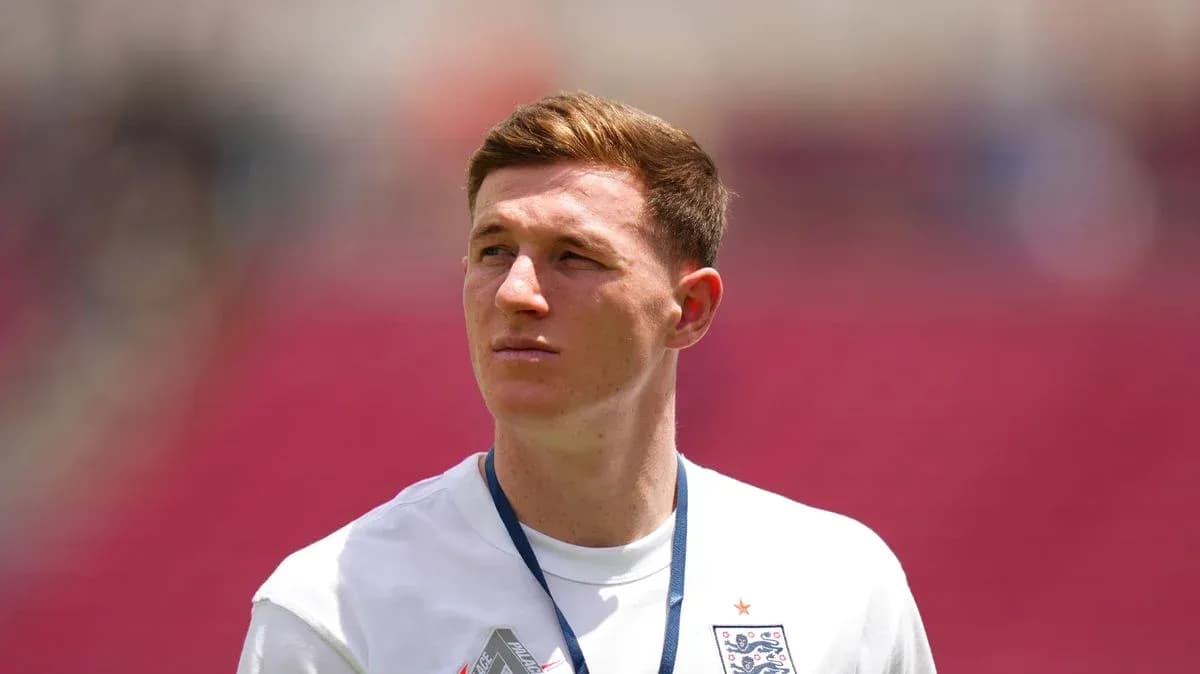
For months, Elliot Anderson has been the dream No. 6: 23 years old, England starter alongside Declan Rice at the World Cup, and a midfielder capable of anchoring a rebuild. On paper, he fits everything United want to be.
But the market has turned the dream into a distortion.
Nottingham Forest are holding out for a Premier League record fee of around £121million. Manchester City have already placed a verbal offer worth £106m, with add-ons pushing it beyond £120m, and remain favourites for his signature. Anderson, by all accounts, prefers the Etihad.
United’s response is telling. Rather than wading into a bidding war they once would have embraced, they are expected to move on to other targets. Internally, there is still a willingness from Sir Jim Ratcliffe to meet Anderson’s wage demands – a 50 per cent rise on his current £100,000 per week at the City Ground – and club executives remain optimistic they are at least in the conversation. But there is a line on the fee, and this time United seem prepared to hold it.
This is not the United of 2019, scrambling to outbid City for Harry Maguire, or inflating the market for Fred and Alexis Sanchez. The recruitment team now in place has made more grounded calls over the past year, and stepping away from Anderson at these figures is another sign that the club has finally started to learn from its most expensive mistakes.
Scott and Fernandes: the new centre of gravity
If Anderson becomes City’s record signing, United want to make sure they have already moved on. The focus has shifted decisively to Bournemouth’s Alex Scott and West Ham’s Mateus Fernandes – a £165m midfield plan if both deals come off at the upper end of their valuations.
Bournemouth have slapped an £80m price tag on Scott and are determined to keep him as they prepare for European football. West Ham, relegated to the Championship, also value Fernandes at around £80m and are in no rush to sell. Even so, United view Fernandes as a realistic target and are already doing background work on the Portuguese midfielder.
Real Madrid’s interest adds a familiar complication. With Florentino Perez still in charge and Jose Mourinho returning, Madrid are ready for a major reset after a trophy-less season, and Fernandes is on their list. When Madrid enter a race, history says they tend to finish it in front.
That is the tightrope United now walk: ambitious enough to chase elite midfielders, disciplined enough not to blow the entire budget on one.
Tonali, Baleba and a market that bites back
The midfield shortlist doesn’t end there. Sandro Tonali has emerged again, with reports suggesting Newcastle could cash in before the season starts. The problem is the same one echoing across Europe: the price. Newcastle are expected to demand around £100m, a figure that will test any club’s resolve.
Carlos Baleba remains another option. The Brighton midfielder wanted Old Trafford last summer and still does now. Brighton’s valuation, though, has stayed high enough to put United off. That leaves the onus on the player. Does he follow the path of his international teammate Bryan Mbeumo, who forced the issue by making it clear he only wanted United? That sort of stance can move a deal. It can also burn bridges.
For now, United wait. The Anderson saga has paused their next midfield move, but it hasn’t stopped it.
Defensive reshuffle: Lukeba on the radar
Midfield is the priority, yet the defence is never far from the agenda. With Matthijs de Ligt recovering from back surgery, United are light in central defence and have turned their gaze to RB Leipzig’s Castello Lukeba.
Reports in Germany suggest the Frenchman has a release clause between £69m and £77m, though Leipzig might listen to offers closer to £56m. United are considered favourites at this stage, and Lukeba’s age and profile match the club’s push for younger, resale-friendly signings.
It is a big outlay, but not an illogical one. If United do commit heavily in midfield, they will still need at least one centre-back to anchor the next cycle.
Wide options: Nico Williams, Leao and a World Cup wildcard
On the flanks, United are tracking the situation around Athletic Club’s Nico Williams. The Spain international has an £87m release clause and has flirted with a move before, only to stay in Bilbao. Liverpool, City and Arsenal have all made contact with his camp, and United see him as a potential alternative to Rafael Leao on the left.
Leao remains a live topic at Old Trafford, not least because of his relationship with Bruno Fernandes. When the AC Milan winger was sent off in a World Cup warm-up for swiping at Chile’s Ivan Roman, Leao moved quickly to explain himself on Instagram. Fernandes replied with a single word: “Together.” It was a simple show of solidarity, but it did little to cool speculation that United view Leao as a marquee attacking option.
There is also interest in Matias Fernandez-Pardo, the 21-year-old Lille forward who broke through at Gent and has forced his way into Belgium’s World Cup squad. United are monitoring him as a versatile attacker, though any move is likely to depend on Joshua Zirkzee’s future. If Zirkzee stays, the door probably closes.
Rashford at a crossroads
Marcus Rashford’s future is one of the most delicate stories of the summer. Barcelona’s stance has hardened: they will not pay the £26m buyout clause to sign him permanently. Their attention has reportedly shifted to Anthony Gordon, whose defensive work and age profile they prefer, and they were only ever willing to go to around £13m for Rashford – a figure United were never going to entertain.
Hansi Flick has praised Rashford publicly, delighted with his contribution and his goal in El Clasico against Real Madrid in May, but refused to be drawn on long-term plans. The forward, meanwhile, has removed Barcelona from his social media bios, a small but telling digital erasure.
Reports now link Rashford with Tottenham, Chelsea and Arsenal. The Daily Mail claims that Premier League trio are ready to fight for him, with United not expected to keep him despite Michael Carrick taking charge. At the same time, Spanish reports say Rashford is fixated on Barcelona and ignoring interest from elsewhere, including Bayern Munich, who have yet to make a concrete move.
For a player who should be entering his peak years, this is a career-defining summer. Stay in England and become the centrepiece of a rival’s attack? Or cling to the Barcelona dream that may already have passed him by?
Sancho’s quiet exit and a changing culture
If Rashford stands at a crossroads, Jadon Sancho has already drifted down the wrong road. United’s retained list reduced his departure to a single line. Five years after a £73m move from Borussia Dortmund, he leaves having played just 83 games for the club.
Loans back to Dortmund, then Chelsea and Aston Villa, never turned into permanent deals. He has fallen out of England contention and, at the time of writing, is out of work. The talent that once made him one of Europe’s most exciting prospects has not translated into a consistent elite career.
United’s willingness to cut their losses, rather than doubling down with another extension or loan, underlines a broader shift. Sentiment and sunk costs no longer dictate policy. Or at least, not as strongly as they once did.
Cucurella, Dele-Bashiru and the supporting cast
Across the rest of the squad, United’s recruitment net remains wide.
Marc Cucurella has emerged as a possible solution at left-back. With Chelsea out of European competition and open to offers above £35m, both Manchester clubs have been credited with interest in the Spaniard, who has three years left on his Stamford Bridge contract.
In midfield, Fisayo Dele-Bashiru has appeared on United’s wish list. The Lazio man, once of Manchester City’s academy, rebuilt his career via Sheffield Wednesday and Hatayspor before earning a permanent move to Serie A. Now a Nigeria international with 18 caps and a bronze medal from the Africa Cup of Nations in Morocco, he is open to a Premier League return, according to those close to him.
None of these names would define United’s summer. They would, however, round out a squad that has been too thin in too many areas for too long.
The wider picture: rivals move, pressure builds
While United work through their own puzzle, the rest of the Premier League is shifting.
Everton have been ordered to pay Burnley around £30m after losing a legal dispute linked to their financial rule breaches. The Merseyside club have responded furiously and will appeal, but the ruling opens the door for other clubs to seek compensation in similar cases. When Manchester City’s long-running charges are finally resolved, the implications could be enormous.
At the top end of the table, City are already acting like champions in waiting. Their aggressive move for Anderson underlines their intent to refresh a side that has dominated domestic football. Real Madrid are ready to spend again. Bayern Munich lurk around the edges of several deals. The market is unforgiving, and it does not wait.
United, for once, are trying not to blink first.
A different kind of summer
Strip away the rumours and the noise, and a pattern emerges at Old Trafford.
They are still chasing big names – Scott, Fernandes, Lukeba, Williams, perhaps Leao – but they are doing so with clearer limits. They are prepared to walk away from Anderson rather than smash the Premier League transfer record for a player who prefers their biggest rivals. They are cutting ties with Sancho instead of clinging to a failed investment. They are listening, not reacting, to the market.
That doesn’t guarantee success. It doesn’t guarantee trophies. It does, though, hint at a club finally behaving like one with a plan.
The window opens on June 15. The chequebook will open with it. The real question is simple: when the dust settles at the end of the summer, will United have built a midfield to match their ambition, or will they once again be left watching their rivals celebrate with the players they once called “dream targets”?





