Manchester United vs Ipswich: Tactical Insights from Premier League Clash
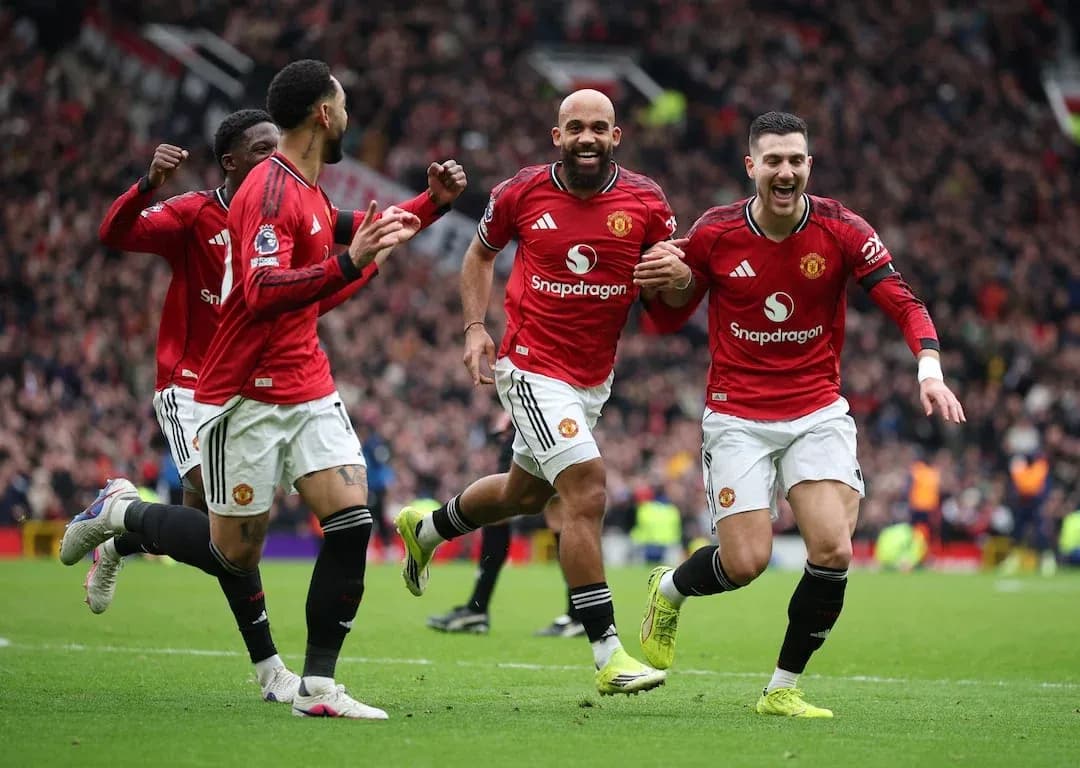
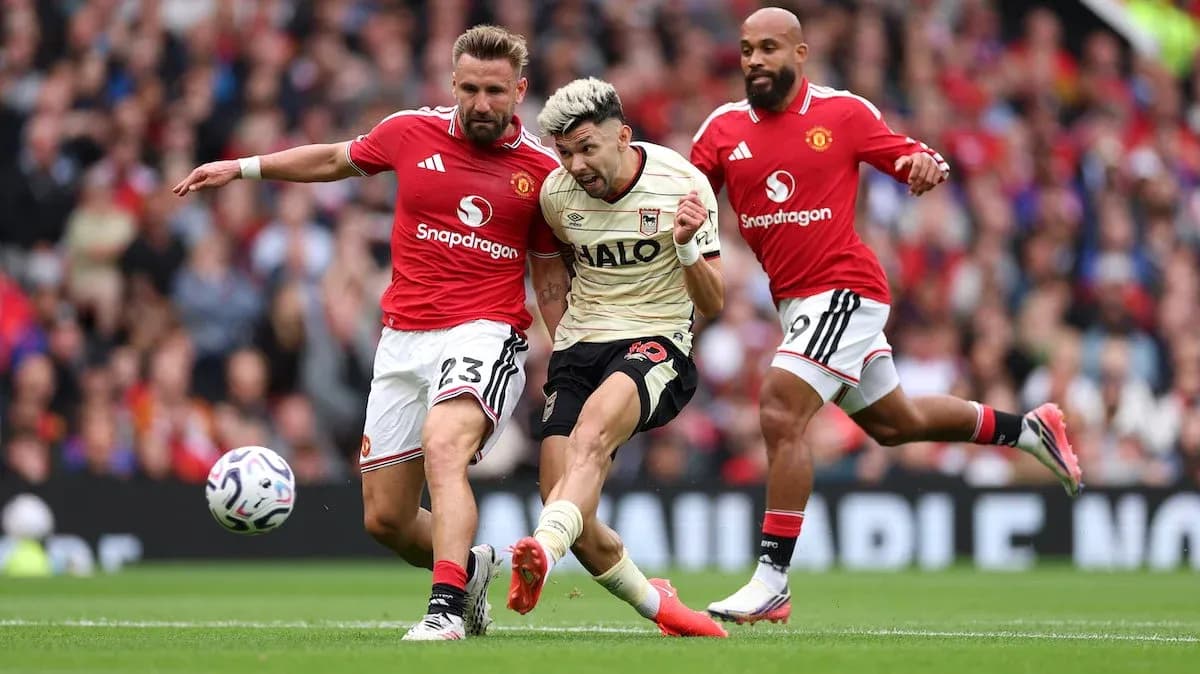
Old Trafford under a late‑summer sky felt like a measuring ground as much as a stage. In the second round of the 2026 Premier League season, Manchester United and Ipswich arrived level on points but not on certainty, both carrying the scars and hints of identity from their opening fixtures. Ninety minutes later, a 5‑2 home win had redrawn the early‑season narrative and clarified the strengths and frailties of two evolving squads.
Following this result, United sit 10th with 3 points, their overall goal difference at +1 from 5 goals scored and 4 conceded. Ipswich, also on 3 points but 12th, carry an overall goal difference of −2, having scored 4 and conceded 6. The table says mid‑table, but the performance at Old Trafford suggested two very different trajectories.
I. The Big Picture – Carrick’s structure takes hold
Michael Carrick stayed loyal to a 4‑2‑3‑1 that has already become United’s default shape this season, and the numbers back that continuity: they have used this formation in both league matches so far. At home, it has been devastating. In their single home league game, United have scored 5 and conceded 2, an average of 5.0 goals for and 2.0 against at Old Trafford.
The spine was clearly defined. S. Lammens, making the goal his own, sat behind a back four of D. Dalot, H. Maguire, L. Martinez and L. Shaw. In front, the double pivot of Y. Tielemans and K. Mainoo gave United both rhythm and resistance, freeing an aggressive band of three – B. Mbeumo, Bruno Fernandes and M. Rashford – to orbit around M. Cunha as the lone forward.
Ipswich mirrored the 4‑2‑3‑1 on paper under Gary O’Neil, but the symmetry ended there. K. Scherpen was protected by a back four of D. O’Shea, I. Diop, J. Greaves and L. Davis, with S. Lukic and M. Nunez as the screen. Ahead of them, I. Fatawu and D. Maeda flanked J. Enciso, with Emersonn as the central striker. On their travels this season, Ipswich have now conceded 5 and scored 2, an away average of 5.0 goals against and 2.0 for – a profile of a team too open, too easily stretched.
II. Tactical Voids – Injuries and the missing anchors
This was not a full‑strength United, and that made the authority of the performance more telling. A cluster of absentees stripped Carrick of both depth and alternative profiles: C. Baleba (ankle), A. Diallo, T. Heaton, M. Mount (foot), M. Ugarte (knee) and M. de Ligt (back) all missed the fixture. Without Ugarte and de Ligt, United were deprived of their most natural ball‑winning midfielder and a premium organiser at centre‑back, yet Maguire and Martinez imposed control, while Mainoo quietly shouldered extra defensive responsibility.
Ipswich were similarly compromised. Florentino (inactive), A. Matusiwa, J. Philogene and J. Taylor (knee) all sat out. The absence of Matusiwa in particular left Lukic and Nunez exposed; neither is a pure destroyer, and against a United side that loves to overload central zones, the lack of a true holding specialist was glaring.
Disciplinary trends added another layer. United’s season‑long card pattern shows both of their yellow cards arriving split between 31‑45 minutes and 91‑105 minutes, each accounting for 50.00% of their total yellows. Ipswich’s cautions are front‑loaded: 66.67% of their yellows have arrived between 31‑45 minutes, and 33.33% between 46‑60. It paints a picture of a visiting side that loses composure either side of half‑time, precisely when United’s tempo tends to rise.
III. Key Matchups – Hunter vs Shield, Engine Room battles
The headline act in this United side remains Bruno Fernandes. Heading into this game he already led the league scoring charts for his club, with 3 goals and 1 assist in total, built on 5 shots (4 on target) and 151 completed passes at an 84% accuracy rate. He has also scored from the spot, converting United’s only penalty of the season with a 100.00% record from 1 attempt. Installed as the central creator in the 4‑2‑3‑1, Bruno was the “hunter” that Ipswich’s “shield” never quite located.
That shield was meant to be Lukic and Nunez. Yet Ipswich’s overall defensive record – 6 goals conceded in 2 matches, an overall average of 3.0 against per game – betrayed their difficulty in screening the back line. On their travels alone, that rises to 5.0 conceded per match. Against a United side that at home averages 5.0 goals for and 2.0 against, the imbalance was stark. Bruno repeatedly found pockets between Lukic and the centre‑backs, with Mbeumo and Rashford pinning the full‑backs and Cunha dragging Diop and Greaves into uncomfortable channels.
In the “engine room” duel, Tielemans and Mainoo against Lukic and Nunez was decisive. Tielemans’ passing range allowed United to bypass Ipswich’s first press, while Mainoo’s mobility and reading of second balls prevented Ipswich from turning transitions into sustained attacks. For Ipswich, the creativity was supposed to flow through Enciso. He entered the match as one of the league’s leading providers with 2 assists in total, 47 completed passes at 85% accuracy and 21 duels contested, winning 12. But with Ipswich penned back, Enciso was forced deeper, often receiving under pressure rather than between the lines where he is most dangerous.
Out wide, Fatawu’s duel with Shaw and Martinez was another subplot. Fatawu’s season numbers – 5 key passes, 12 dribble attempts with 6 successful, and 5 tackles – suggest a two‑way winger who can both create and press. Yet United’s territorial dominance meant he was more often chasing Rashford’s runs than dictating one‑v‑one situations in the final third.
Up front, Emersonn’s profile – 1 goal in total, 3 shots with 2 on target, 18 duels with 8 won – hinted at a willing runner who thrives in broken play. But against a United side that, despite not yet keeping a clean sheet, has conceded only 2 at home, his influence was sporadic. Maguire and Martinez rarely allowed him to receive facing goal.
IV. Statistical Prognosis – Where this result points
United’s season so far is defined by extremes: overall they average 2.5 goals for and 2.0 against per game, with no clean sheets but also only one match in which they failed to score – away from home. At Old Trafford, the attacking ceiling is clear. The 5‑2 scoreline here mirrors their biggest home win of the campaign, also 5‑2, underlining that when their 4‑2‑3‑1 clicks, it can overwhelm visiting defences that lack a robust central screen.
Ipswich’s profile is more fragile. Overall they score 2.0 goals per match but concede 3.0, and on their travels that defensive figure balloons to 5.0. They have yet to keep a clean sheet home or away, and their discipline spike around half‑time suggests emotional rather than structural control when games turn.
Following this result, the tactical forecast is clear. United, with Bruno Fernandes orchestrating and a supporting cast of Mbeumo, Rashford and Cunha, look built to out‑gun most visitors at Old Trafford, especially those without a true holding midfielder. Their main task is to convert attacking fluency into more control without the ball, turning chaotic 5‑2s into more measured victories.
Ipswich, meanwhile, must tighten the space in front of their centre‑backs and lean more heavily on the creative axis of Enciso, Fatawu and Emersonn without leaving their full‑backs exposed. The raw attacking talent is there; the defensive platform is not. In the early‑season chessboard of the Premier League, this match felt less like a one‑off and more like a preview of the patterns to come.