Manchester Derby Analysis: United vs City
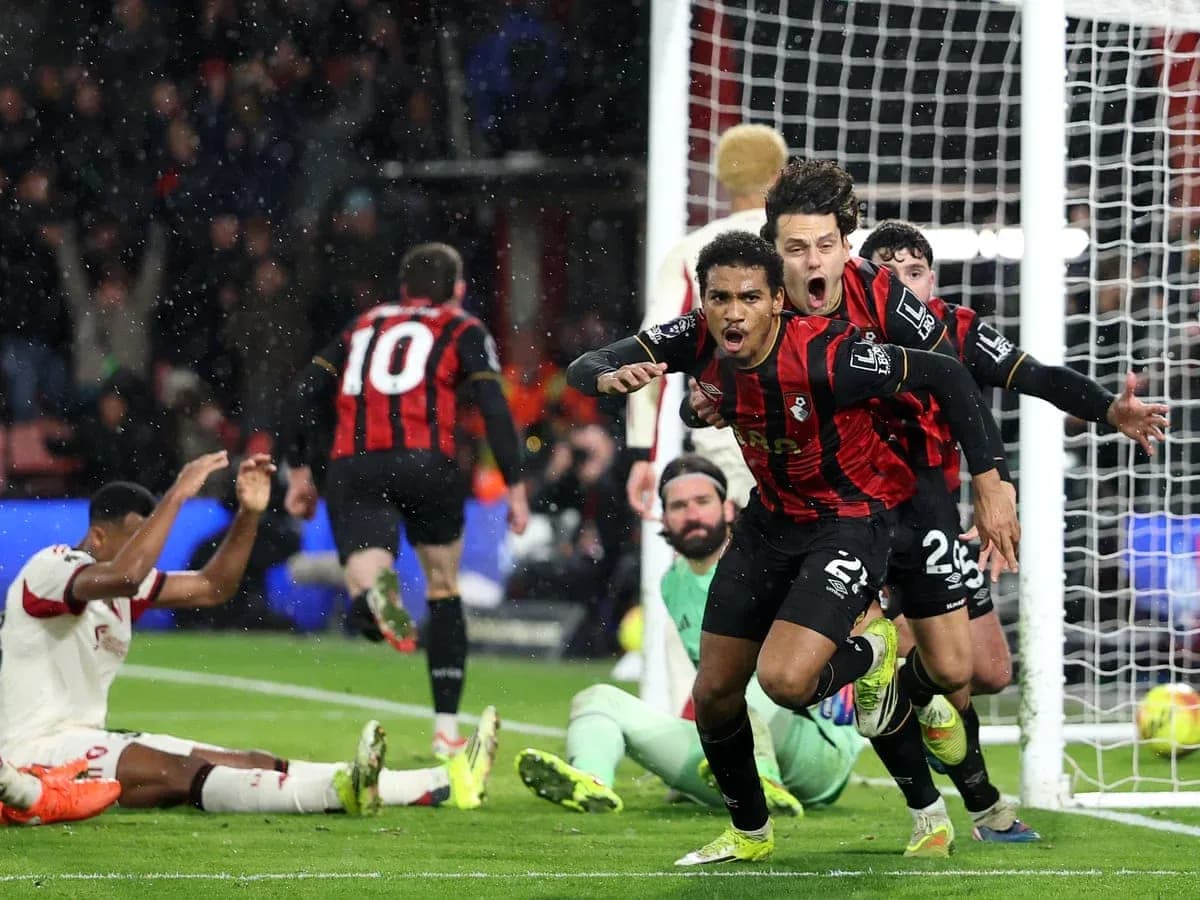
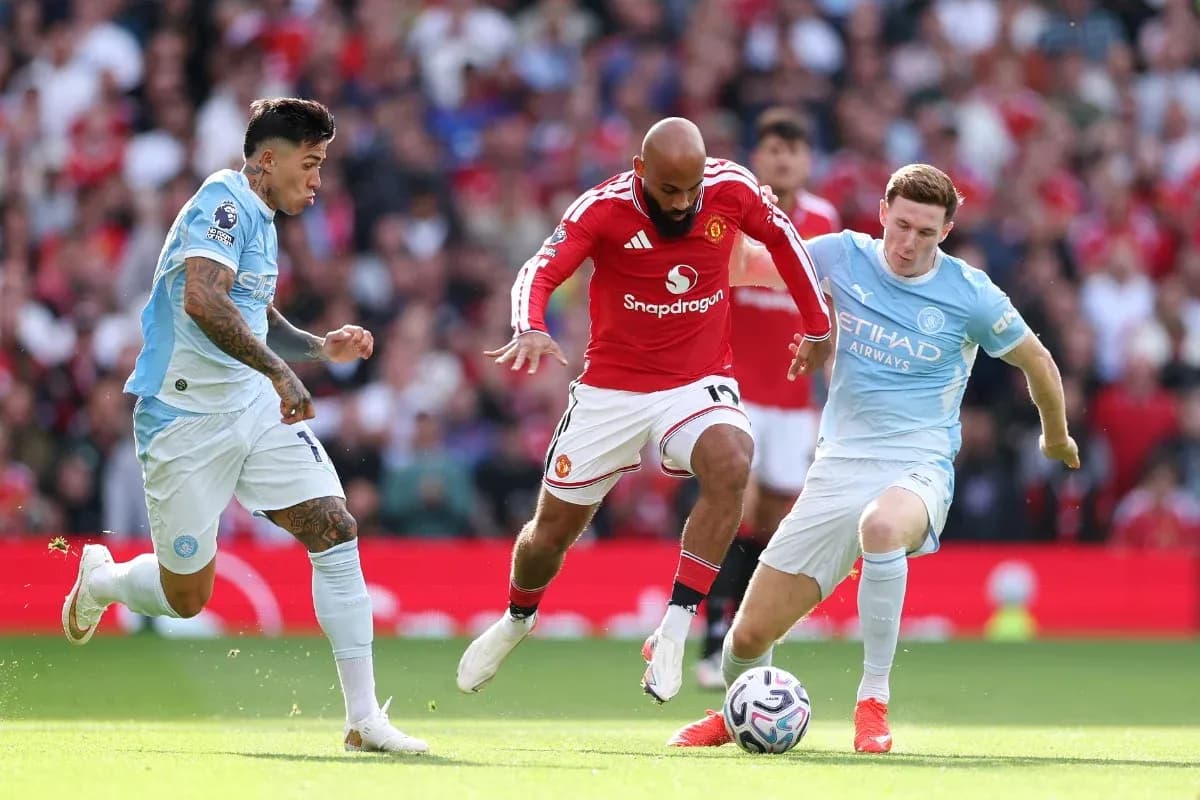
Old Trafford under late-summer cloud, Michael Oliver’s whistle already consigned this derby to the record books: Manchester United 0–1 Manchester City, a fourth-round Premier League meeting that felt like a snapshot of two clubs heading in very different directions.
Heading into this game, the standings told a blunt story. Manchester United were 13th with 4 points from 4 matches, their overall goal difference exactly balanced at 0 (7 scored, 7 conceded). At home, they had been entertaining but fragile: 5 goals scored and 3 conceded across 2 matches, an average of 2.5 goals for and 1.5 against at Old Trafford. Manchester City arrived as a machine in motion. Second in the table with 12 points from 4, they carried a pristine record: 4 wins from 4, 8 goals scored and just 2 conceded overall, for a goal difference of +6. On their travels, City had been ruthless, winning both away fixtures with 5 goals scored and only 1 conceded, an away average of 2.5 goals for and 0.5 against.
I. The Big Picture – Two 4-2-3-1s, two very different realities
Both managers mirrored each other on the tactics board, lining up in a 4-2-3-1, but the personnel told the deeper story.
For Manchester United, S. Lammens in goal was shielded by a back four of Diogo Dalot, H. Maguire, Lisandro Martínez and P. Dorgu. Ahead of them, Y. Tielemans and K. Mainoo formed the double pivot, with an attacking trio of B. Mbeumo, Bruno Fernandes and M. Rashford supporting Matheus Cunha as the lone forward.
City’s 4-2-3-1 had a more familiar steel. G. Donnarumma started in goal, protected by a back line of Matheus Nunes at right-back, M. Guéhi, Rúben Dias and J. Gvardiol. In midfield, E. Fernández and E. Anderson anchored the centre, with P. Foden, R. Cherki and A. Semenyo behind the league’s leading scorer, E. Haaland.
The league’s top scorers list framed the contest as a duel between the division’s most prolific marksman and United’s creative heartbeat. Haaland came into the match with 4 goals from 4 appearances, backed by 15 shots (9 on target) and a strong overall rating of 7.91. On the other side, Bruno Fernandes had 3 goals and 1 assist from 4 appearances, with 8 shots (5 on target) and 9 key passes, his passing accuracy a sharp 85%.
II. Tactical Voids – The weight of absences
United’s squad sheet carried a heavy casualty list. C. Baleba (ankle), A. Diallo, T. Heaton, L. Shaw, M. Ugarte and M. de Ligt were all confirmed absentees. The knock-on effect was visible across the spine: no Shaw to balance the left flank, no Ugarte to screen the back four, and no de Ligt to partner or rotate with Maguire. It forced M. Carrick to lean on P. Dorgu at left-back and to rely heavily on Maguire–Martínez as the central pairing, with L. Yoro and N. Mazraoui only available from the bench.
For City, the list was shorter but still notable. J. Doku missed out with a calf injury, removing one of E. Maresca’s most explosive wide threats. Yet City’s depth allowed them to compensate through the creative axis of Cherki and Foden, and the direct running of Semenyo.
Disciplinary trends added another layer of risk management. United’s season yellow-card pattern showed a clear late-game spike: 50.00% of their yellows had arrived between 76–90 minutes, another 16.67% in the 31–45 window, and 16.67% in the 61–75 period. City shared a similar late spike, with 42.86% of their yellows between 76–90 minutes and 28.57% between 46–60. Crucially, City had already seen one red card this season through Foden, while Maguire had collected 2 yellows in 4 games, underlining his propensity to be drawn into duels.
III. Key Matchups – Hunter vs Shield, and the battle for control
Hunter vs Shield was never going to be subtle: E. Haaland against a United defence that had not kept a single clean sheet all season. United had conceded 7 goals overall, with their overall goals-against average at 1.8 per match and no clean sheets either at home or away. At Old Trafford alone they had allowed 3 goals in 2 matches. City, by contrast, had conceded just 2 overall, with an overall defensive average of 0.5 goals against per game, including only 1 goal conceded on their travels.
Haaland’s duel with H. Maguire and Lisandro Martínez defined United’s defensive hopes. Maguire had been busy this season: 34 duels contested, 21 won, plus 5 interceptions and 1 blocked shot. But his 7 fouls committed and 2 yellows made him a walking tightrope against a striker who thrives on contact and penalty-box chaos. Any lapse in timing risked gifting City set-piece territory or worse.
Behind Haaland, the “Engine Room” battle was layered. For City, E. Fernández and E. Anderson offered stability, but the creative weight sat higher with R. Cherki and P. Foden. Cherki arrived with 2 goals, 2 assists and 10 key passes, completing 91% of his passes and already blocking 1 shot defensively. Foden, despite a modest rating of 6.35, had chipped in 2 assists and 7 key passes, while also registering 4 tackles and 32 duels, 14 of which he had won. Their task was to find pockets around Tielemans and Mainoo, forcing United’s double pivot to defend facing their own goal.
On the other side, Bruno Fernandes was United’s conductor and chief risk. His 262 completed passes and 9 key passes underpinned everything United tried to do between the lines. With 3 goals already, including 1 from the spot, he was both creator and finisher. Yet his influence depended on United’s ability to progress the ball through Y. Tielemans and K. Mainoo under City’s press, and to find M. Rashford and B. Mbeumo in transition lanes behind Gvardiol and Matheus Nunes.
IV. Statistical Prognosis – Why the margins tilted blue
Heading into this derby, the underlying trends favoured City. Their overall attacking average of 2.0 goals per game, combined with a defensive record of just 0.5 conceded, suggested a side that routinely controls both penalty areas. On their travels, that profile sharpened: 2.5 goals scored and 0.5 conceded away, backed by 2 clean sheets overall and zero matches in which they had failed to score.
United’s numbers painted a more volatile picture. Overall, they averaged 1.8 goals scored and 1.8 conceded per game, with 2 matches where they failed to score and no clean sheets at all. At Old Trafford, the attacking output of 2.5 goals per game was offset by defensive frailty, and the late-card surge hinted at a team increasingly stretched and desperate in closing stages.
Overlay those patterns on the personnel, and the story narrows. City’s Hunter—Haaland—was supplied by one of the league’s form creators in Cherki, and supported by a defensive unit that had conceded just 1 goal away from home. United’s Shield was patched together without Shaw, Ugarte or de Ligt, anchored by a centre-back who both wins duels and concedes fouls in equal measure.
In the end, a 1–0 scoreline at Old Trafford felt less like an upset and more like the logical expression of the season so far: City’s control, efficiency and defensive discipline edging out a United side that remains caught between attacking ambition and structural fragility.