Iran Files Complaint to Fifa Over World Cup Restrictions Before Belgium Match
Iran will take their World Cup grievances to the very top. The federation plans to lodge a formal complaint with Fifa after what it calls “restrictions imposed by the organisers” on the national team’s movements ahead of Sunday’s decisive Group G meeting with Belgium in Los Angeles.
At the heart of the row is time. Or rather, the lack of it.
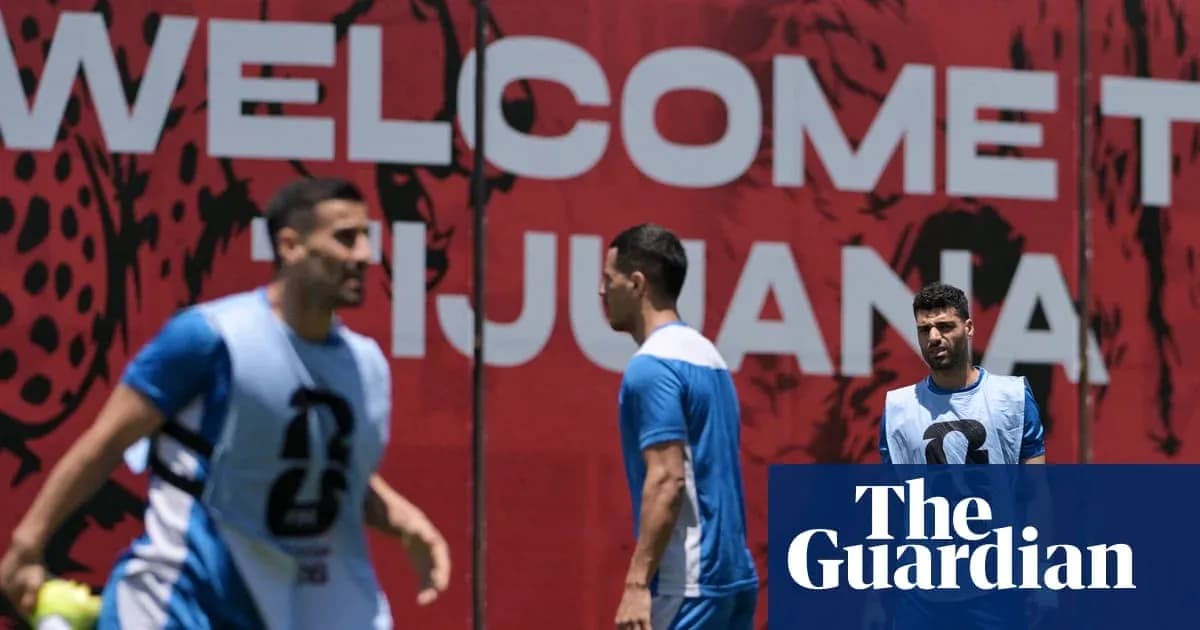
Iran say they have been told they can only arrive in LA 24 hours before kick-off, a midday start local time, having to fly in from their base in Tijuana, Mexico on Saturday. For a game that could define their tournament, they believe they are being asked to prepare with one hand tied behind their back.
The frustration has been building since their opening match against New Zealand at Los Angeles Stadium. After that 2-2 draw, head coach Amir Ghalenoei did not hold back, describing Iran as the “most oppressed” team at this World Cup. Captain Mehdi Taremi went further, calling the recent logistical chaos a “disaster”.
The flashpoint came immediately after that first game. Instead of being allowed to stay in LA for a recovery session the following day, Iran were instructed to fly straight out to their base in Tijuana. The staff had wanted time on site to help players recover and adjust; the schedule, they were told, would not bend.
Now the same pattern is repeating. As before the New Zealand match, Iran have been informed they cannot arrive in the United States two days before facing Belgium. The federation has already made its case to the organisers and to Fifa, arguing for more time in the host city to prepare properly. The answer, for now, has not changed.
The timing of Sunday’s fixture only sharpens the sense of injustice inside the Iranian camp. A midday kick-off in LA means an earlier start, an altered routine, and less room to adapt after travelling in from Mexico the previous day. Their opener against New Zealand at least kicked off at 6pm local time, offering a slightly gentler schedule.
In a statement released on Friday, the Football Federation Islamic Republic of Iran (FFIRI) set out its position in stark terms.
“The football federation of Iran believes that such restrictions are inconsistent with the principle of providing equal conditions for all participating teams and may negatively affect teams’ preparation processes,” it said.
“Consequently, the federation will formally express its dissatisfaction and lodge an official complaint with Fifa through the appropriate channels. Despite these limitations, Iran’s national team will continue its preparation program and remain fully focused on its upcoming match against Belgium.”
The words are diplomatic; the mood around the camp is anything but. Iran feel this is no longer just about one flight or one training session. In their eyes, it is about fairness at a World Cup where every marginal gain, every extra hour of rest or familiarity with a stadium, can tilt a contest.
Belgium arrive as favourites and with far fewer off‑pitch distractions. Iran arrive late, again, carrying both the weight of a group-stage showdown and a growing sense that they are fighting on more than one front.
On Sunday in Los Angeles, the football will speak. What happens in Zurich, in Fifa’s corridors of power, may take longer to answer a more uncomfortable question: are all teams really being treated the same at this World Cup?