World Cup 2026: The Push for a 64-Team Tournament Under Gianni Infantino
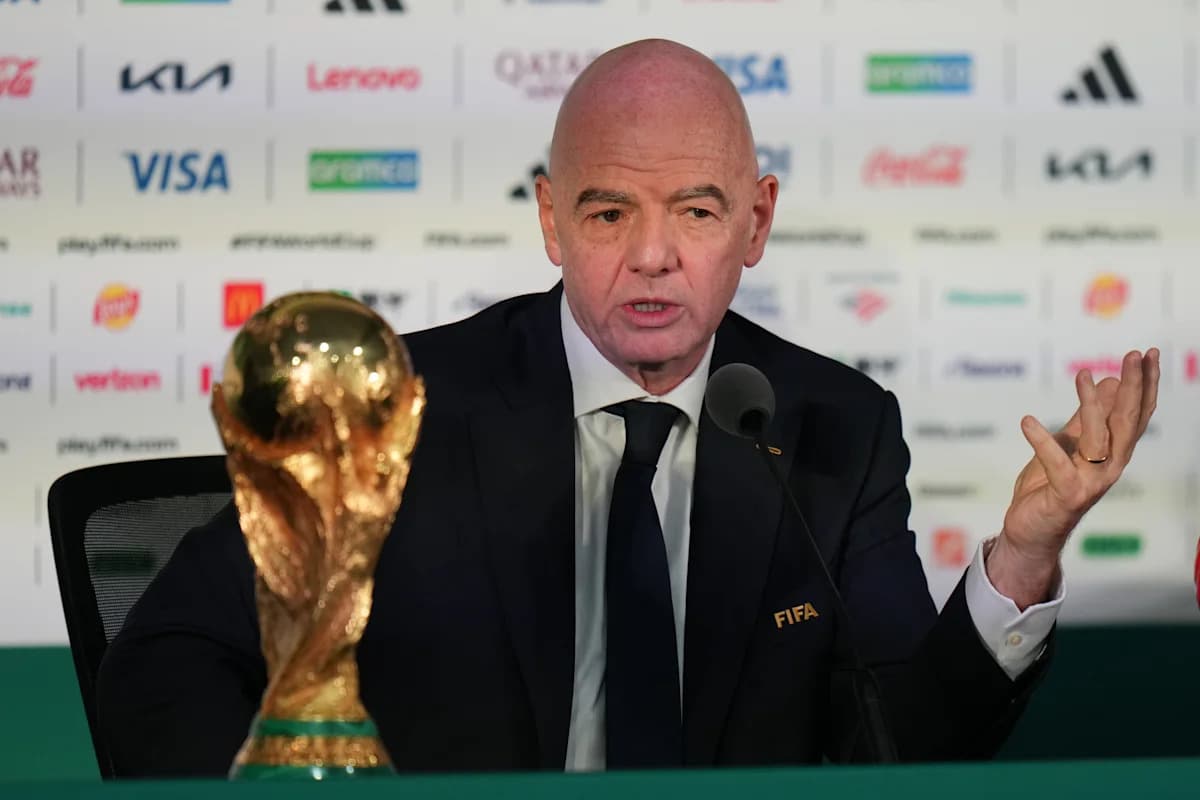
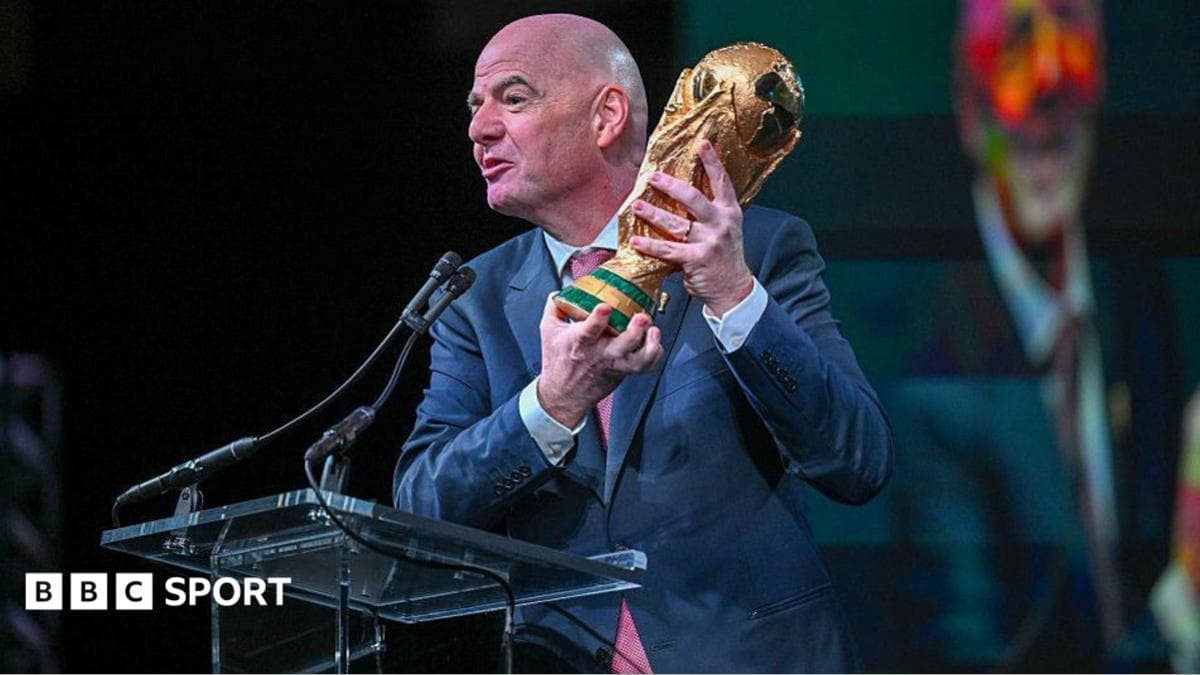
Gianni Infantino’s decade-long leadership at Fifa has been marked by a clear belief: bigger is better. That means more tournaments, extra matches, and increased revenue. From the revamped Club World Cup to expanded World Cup formats and even soaring ticket prices, Infantino’s approach has reshaped football’s global showcase. The 2022 final famously featured a half-time break stretching over 27 minutes, mimicking a Super Bowl spectacle.
Now, the idea of a 64-team World Cup is gaining attention, with Infantino suggesting that smaller nations deserve more opportunities to compete on football’s biggest stage. He argues that without chances to participate, these countries may lose motivation to improve.
Are Smaller Nations Really Excluded?
It’s worth pointing out that smaller countries already have access if they qualify—examples include Cape Verde, Curacao, Jordan, and Uzbekistan. In terms of tournament structure, expanding to 64 teams would allow a straightforward format: the top two from each of 16 groups advancing to knockout rounds, eliminating the current system where some third-placed teams also progress.
The Forces Behind the Expansion Proposal
The 2030 World Cup will celebrate 100 years since the inaugural tournament in Uruguay. This centenary event will primarily be hosted by Morocco, Portugal, and Spain, with Uruguay, Argentina, and Paraguay hosting opening matches.
CONMEBOL, South America’s football confederation, has pushed for a 64-team format, seeking to add four extra groups and more games. Alejandro Dominguez, CONMEBOL’s president, insists this ensures no one misses out and claims that expanding the tournament will help international football grow.
Yet, most other regions seem hesitant. UEFA’s president Aleksander Ceferin called the idea detrimental to both the competition and qualifying stages. CONCACAF’s Victor Montagliani warned it could harm the broader football ecosystem, while Asian Football Confederation chief Sheikh Salman bin Ibrahim Al Khalifa expressed concerns about potential chaos.
Despite opposition, the final say lies with the 37 members of the Fifa Council.
Does More Teams Mean Less Quality?
A 64-team tournament offers two main advantages: a neater group format and increased spots for emerging nations. Infantino highlights stories like Cape Verde’s impressive run, drawing against Spain and Uruguay and pushing Argentina to extra time.
However, many debutants struggled; teams such as Haiti, Iraq, Jordan, Panama, Tunisia, and Uzbekistan failed to earn points. The top nations faced little threat in group stages. Adding more teams could make early rounds predictable, with powerhouse nations unlikely to miss knockout spots.
Looking at which teams would join a 64-team roster based on current rankings reveals disparities:
Six of these squads rank within the world’s top 50. Yet Asia and CONCACAF’s performances remain relatively weak compared to Africa, which saw nine of its ten teams advance beyond groups. New Zealand stands as the only Oceania nation inside the top 150.
There’s an argument to give Europe more slots to maintain competitive balance, but others believe increasing participation helps football develop globally. Infantino promotes expansion as beneficial for the sport worldwide, but some question if it dilutes competition quality. Almost a third of Fifa’s 211 member nations would feature, potentially turning group stages into extended qualifiers.
Challenges of Hosting a 64-Team World Cup
Adding eight teams means four extra groups, requiring more matches and longer schedules. The 2026 tournament lasted 39 days; a 64-team event would demand at least five additional days to fit in 24 more games.
This summer’s unique setup involved multiple time zones and indoor stadiums, allowing matches across a 14-hour window to suit TV audiences. Future hosts might lack such flexibility, especially with rising temperatures making daytime play tougher. While the Saudi Arabia World Cup might shift to January 2035, other countries face challenges adapting.
Joint hosting could become the norm, perhaps involving regions like the UK with Scandinavia or Eastern Europe. But financing such events remains complicated, especially for Asian or African nations.
To host 64 teams, organizers would need more stadiums, each city offering venues with capacities between 43,000 and 81,000. Elite training facilities for all teams, sufficient accommodation, and transport infrastructure for fans would add complexity.
Is Money Driving Expansion?
Infantino promised to inject more funds into football. Associations now receive $8 million over four years, plus extra support for smaller nations. Confederations gain around $60 million for development and promotion.
Much of this cash stems from World Cup revenues. When planning the 48-team format, Fifa estimated $6.5 billion income. By 2022, with added matches, projections rose to $9 billion.
A 64-team World Cup would likely generate even greater revenue from broadcasting rights, sponsorships, and ticket sales. Fifa claims expanding the game aligns with its mission, though critics argue there’s a limit to how much growth benefits football.